More Colombians arrive in Punta Cana than traditional issuers

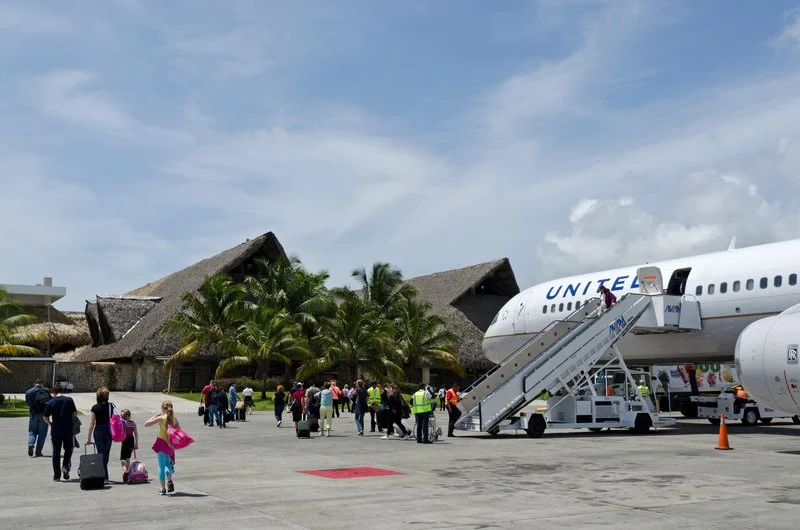
The Dominican Republic has seen a significant increase in tourists from Colombia, particularly in the Punta Cana region, where the South American nation has managed to outnumber Germany, Spain, and England in terms of the number of travelers arriving at the well-liked Caribbean vacation spot. According to Rafael Alberto Smith, director of operations at the Punta Cana International Airport, “the new air frequencies have been key to the increase in passengers, highlighting the routes from Colombia, with a contribution of 292,295 passengers, or 5% of the total in recent months, well above traditional markets such as Germany, Spain, and England.”

According to him, 430,129 tourists entered the nation in September, with the Punta Cana airport receiving 57% of that influx. The terminal’s manager stated that over the past few months, 1,175,875 passengers from Asia, Europe, North America, and the Caribbean entered and exited the country through the terminal, setting a record for transits. “July 2022 had 188,192 more passengers than the previous year in terms of movement and passenger traffic through the Punta Cana International Airport,” he continued.

Smith stated that the year 2022 is expected to end with an increase of 6% in comparison to the previous year, which would be 3,939,806 arriving and 4,046,702 departing. He noted that 4,942,244 travelers have passed through the PUJ so far this year. That is, 2,446,939 arrival passengers and 2,495,305 departure passengers, with the US market accounting for 45% of these passengers (2,206,317), Canada for 13% (644,192), and Panama for 7% (334,193).

FEDUJAZZ announces 24th celebration

The 24th edition of the Dominican Republic Jazz Festival will be celebrated with two free concerts on November 11 and 12 at Cabarete Beach, with the positive energy that defines the event. This announcement is made by the Dominican Republic Jazz Festival Educational Foundation (FEDUJAZZ). After taking a two-year break due to the global health crisis, the event is back stronger than ever to provide “the music of jazz” to the hundreds of locals and visitors from around the globe who come together at each concert.

Buika, an Equatoguinean-Spanish singer who excels in a variety of musical genres including flamenco, jazz, tango, and boleros, as well as Grupo Bonyé, a group with a repertoire that includes son, guaracha, montuno, traditional son, salsa, salve, and merengue, will both perform at the DR Jazz Festival 2022, which will have the official sponsorship of the Dominican Republic’s Ministry of Tourism

The president of FeduJazz, Maria Elena Gratereaux, said, “We are incredibly happy and excited to bring back these concerts that, with good music, unite hundreds of people who love jazz and has a positive impact on children and adolescents who learn music through the foundation and the collaboration of so many people, companies, and institutions that believe in the hard work of the foundation and our team.”

The DR Jazz Festival 2022, like previous editions, will feature performances by notable musicians and singers in addition to a full and engaging schedule that includes jam sessions for those who want to improvise, free musical educational workshops led by professional musicians, and family-friendly activities in Sosua.

Dependence on imports delays the Dominican Republic’s reduction in inflation

Inflation in the Dominican Republic briefly reached double digits for roughly five months before falling to its lowest point in August since 8.98 in February of this year. The current yearly rate is 8.80 from August 2021 to August 2022. But the International Monetary Fund is not relieved by its steady decrease (IMF). The financial body believes that the less diversified and more import-dependent economies of the Caribbean, Central America, and notably “Panama, the Dominican Republic, combined with Bolivia, Ecuador, Paraguay, and Uruguay” render them more vulnerable to inflation.

According to sources, early 2022 saw a significant revival in the economy of Latin America and the Caribbean. However, there was a noticeable slowdown in economic activity as a result of the conflict between Russia and Ukraine. This translates into prolonged inflation, which, in spite of tightening global financial conditions and a decline in commodity prices, will test the region’s resilience, according to the IMF.

Although Panama, Central America, and the Dominican Republic have already surpassed pre-pandemic output levels, this is mostly because of the United States’ quick recovery. But according to a new IMF research, smaller economies face greater difficulties from rising inflation since “they are less diversified, more dependent on imports, and have fewer policy levers at their disposal.” Henri V. Hebrard, an economist, notes that diversification should be distinguished from dependence on imports in light of this scenario. He remarked, “Those are a bit different things.

He clarified that the Dominican economy is “extremely well diversified” when compared to other countries in the area. The fact that it is an island, he noted, means that it has a “very heavy dependence on imports,” which is “an inflation risk element.”

Over the past 27 months, the peso has appreciated by 8.75% against the dollar

When comparing the price of the US currency in July 2020 with September 2022, the Dominican peso has appreciated by 8.75% (RD$5.0968), while the average exchange rate for sale decreased from RD$58.2693 to RD$53.5243. 27 months have passed throughout this time, and with very few exceptions, the foreign exchange market has only slightly moved in the other direction. Why is the dollar weakening versus the peso at a time when it is strengthening against the euro and other currencies in Latin America? Is this a result of the Central Bank’s stringent monetary policy, or are there other forces at play? Is it a result of the remittance inflow, which is still more than it was before the pandemic? While this is going on, the monetary authorities are increasing the policy rate once more by 25 basis points, bringing it from 8.00% to 8.25% annually.

This increase in the value of the peso relative to the dollar comes after the price of the US currency increased 9.08% in the first half of 2020, rising from an average of RD$53.0417 in January to RD$58.2693 in July, which is equivalent to RD$4.8152 in absolute terms. Since the dollar is currently trading at nearly the same level as it did in January 2020, the peso has gained back the ground it lost during this time. The Dominican peso has appreciated 4.34% in the first five months of this year, or since the price against the greenback rose from RD$57.5240 to RD$55.0592, which may be the time when the peso’s appreciation against the dollar has been felt the most. The dollar’s value versus the peso has decreased by RD$3.28 since May, or 3.11%. The peso has increased 7.45% so far this year, translating to a net loss of RD$4.3083 for the dollar relative to the Dominican peso.

The Central Bank of the Dominican Republic (BCRD) points out that between January and August 2022, remittances received totaled US$6,518.8 million, exceeding the US$1,792.8 million received in the first eight months of 2019, the time frame before the start of the covidio-19 pandemic. This coincides with the Dominican peso’s appreciation against the dollar.

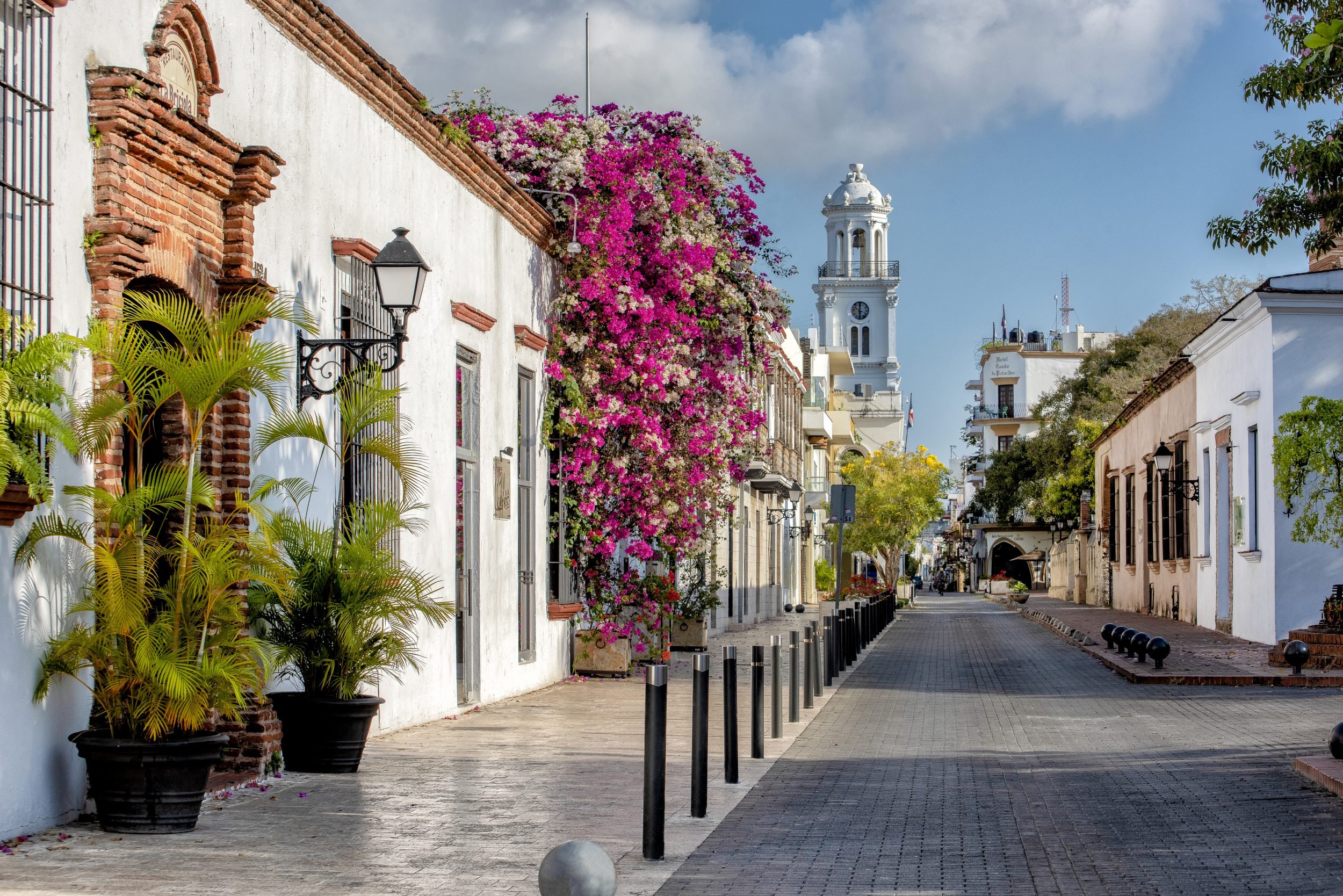
Ciudad Colonial will be revilatized

Yesterday, President Luis Abinader and Minister of Tourism David Collado started restoration work on the colonial city’s priority streets and introduced the Micro and Small Business Support Program (PAM) and “Turizoneando” programs to the area. As part of the Comprehensive Program for Tourist and Urban Development of the Colonial City of Santo Domingo (PIDTUCCSD), which will invest almost 5 billion pesos and initially cover 11 streets, with the intervention of their pavements and sills, President Abinader and Minister Collado gave the first peck to officially start the rehabilitation work on the prioritized streets in the colonial city.

Before that event, both took the lead in the “Turizoneando” program’s introduction during a performance staged in the storied Parque Colón. President Luis Abinader promised “that every road in the region would be repaired,” highlighting the importance of teamwork, during a speech at the event when construction work for the rehabilitation of the streets of the colonial city was launched, “and here are the neighborhood associations, if there are any left,” he said.

The president continued the action by saying, “All this so that it is a brilliant colonial zone, with all the history as well as, with all the culture, where we can share that historical culture, as well as all the religious inheritance that is here with all the wealth that we have in the colonial city.”

Tafer, a hotel chain from Mexico, considers making an investment in the DR

Tafer, a Mexican restaurant brand, is considering investing in our nation. Thus, the Dominican Republic becomes the target of another another Mexican gang. According to what Tafer’s management team would have said to individuals directly connected to the Dominican tourism industry and who have confirmed arecoa.com, Tafer would be highly determined to invest in the eastern zone.

From Cabo San Lucas and Puerto Vallarta to Cancun, passing through Sierra Madre, the Mexican hotel corporation is a medium-sized business that runs sizable businesses in a variety of beach and mountain tourist destinations. Therefore, the Mexican hotel chains are placing their bets on the DR, and more specifically, the East. The Chapur brothers’ chains are already there with various flags, just as Karisma, Original, and Posadas do it in an exploitative manner.

The DR, where the strength of tourism is great due to its landscape setting and the legal and citizen security of the locations, is therefore the location where hoteliers from the rival country consistently invest.

Villa Altagracia is anticipating a surge in visitors

When visitors leave Pedro Brand and the merchants selling roasted sweet potatoes behind, they may still see the historic sign that reads, “Welcome to Villa Altagracia.” A statue of the Virgin of La Altagracia stands in for the name of a town that is part of San Cristóbal but is located in the Cibao region. Finding a valley surrounded by mountains that constitute a virgin area and fertile plains soaked in rivers and streams, whose waters support the plantations of citrus, banana, and coconut trees, only takes 40 minutes of driving.

The visitor enters Villa Altagracia through its interior and is transported back in time to a time without industrial areas or architectural structures. Sergio Vargas’s property spans 486 square kilometers of ecological richness and has the potential to attract tourists. Around 11:00 on a summer day, the temperature falls to 21 degrees Celsius. This municipality is a secret gem that the Ministry of Tourism (Mitur) has yet to unearth, yet it is surrounded by rivers of forgetfulness and has poor access to tourist attractions. As a result, the locals use the motoconcho and the pasola as their primary modes of transportation, traveling in a “ball of smoke” for RD$50.

Willy Quezada, the tour guide, claims that on average 3,000 residents of the capital visit La Represa every weekend. La Represa is a hotel with chilly waters surrounded by a humid valley and a gloomy silence that makes guests feel like “invaders and invaders” of the urban environment.

Over the coming year, the Central Bank will increase its borrowing

The Dominican Central Bank will continue its unstoppable debt-building process in 2023, not only to maintain control over the currency and exchange rate and prevent a worsening inflationary spiral, but also because it needs cash to cover the interest costs associated with the debt it has already accumulated. The funds that the Central Government uses to pay the interest on its accumulated debt, also referred to as a quasi-fiscal deficit, are required to be sent annually to the Central Bank by the Central Government through the Ministry of Finance.

The Government has been sending resources each year, but they are no longer enough to satisfy these interests after ten years had gone since the Central Bank Recapitalization Law was written but not implemented as intended. By 2023, nothing will have changed. The transfer of 0.6% of the nation’s GDP was included by the government in the draft general budget as a recapitalization for the Central Bank. This metric is roughly equal to RD$41.3 billion.

The Central Bank will need at least RD$96 billion to pay interest in the upcoming year, indicating that the missing funds will need to be found by issuing new debt, which will result in an annual increase in the amount of money required to pay their own interests, or a “snowball” effect.

The debt of the Central Bank keeps rising. It increased by 29.5%, or more than US$4 billion, in just the first six months of this year alone, from US$13.9 billion to US$18 billion.

Total imports grew by 35% in the first eight months of 2022

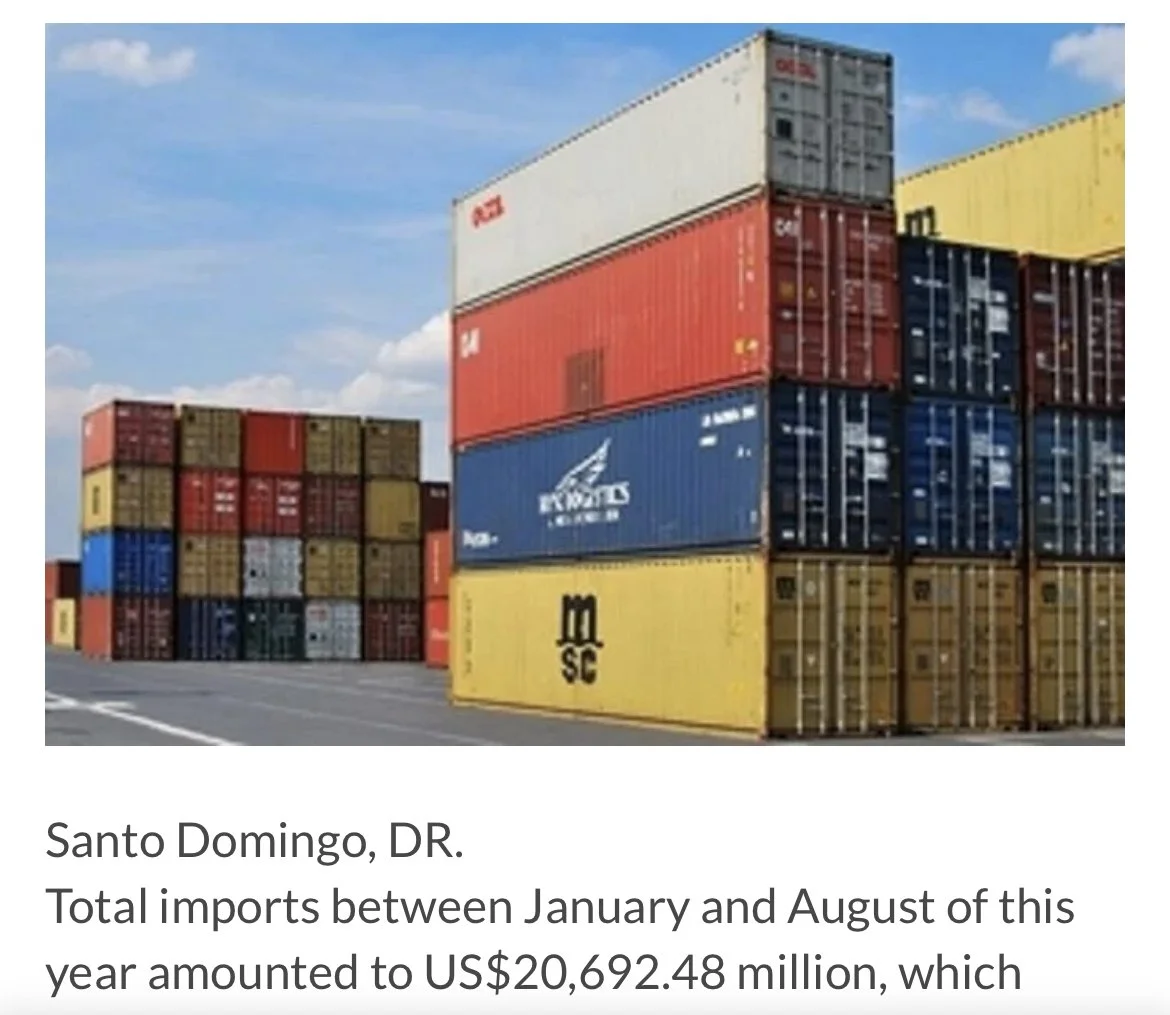
Santo Domingo, DR.
Total imports between January and August of this year amounted to US$20,692.48 million, which reflects an increase of 35.38% in relation to the same period of 2021.

Separating non-oil imports, the growth is 23.60%, going from US$12,997.06 million in January-August 2021 to US$16,064.39 million in 2022.

According to the Trade Magazine published by the Directorate General of Customs (DGA), 81.85% of imports were imported under the consumer dispatch regime, 17.79% through free trade zones, and the remaining 0.36% through other regimes.

Of the total imports, 44.83% corresponds to consumer goods, 41.63% to raw materials, and 13.54% to capital goods. Consumer goods grew by 28.69%, while raw materials and capital goods grew by 47.51% and 25.31%, respectively.

The top 10 countries accounted for 77.22% of total imports to the Dominican Republic, 55.26% of which originated in two markets: the United States (40.86%) and China (14.40%).

Of these, 93.89% were imported by sea, 6.09% by air, and the remaining 0.02% by land. The 91.99% is concentrated in five administrations: Haina (44.95%), Caucedo (31.15%), Santo Domingo (8.14%), Las Americas International Airport (AILA) (5.80%), and Puerto Plata (1.95%).

Asonahores projects tourism will break foreign investment record this year

The president of the Association of Hotels and Tourism of the Dominican Republic (Asonahores), Rafael Blanco Tejeda, affirmed that investment flows in the tourism sector maintained continuous increases during the coronavirus pandemic and is expected to obtain a historical record of foreign investment in this sector of the national economy by 2022.

The businessman attributed the success to implementing a well-thought-out, dynamic, and cohesive tourism strategy between the public and private sectors. “The positioning we achieved with handling the pandemic made us stand out worldwide, but from there, what we have done is to reinforce the entire tourism strategy,” he added.

He stated that the tourism sector achieved a “formidable” and accelerated recovery that surpasses other countries in the Region, despite the effects of the coronavirus pandemic and the war between Russia and Ukraine, according to Despierta con CDN.

“We went through a formidable recovery process, really a process that highlighted us in international markets and was recognized by the World Tourism Organization, granting us recognition as the country that recovered tourism the fastest,” he said.

He stated that at present, more than recovery, we are living in moments of growth in the tourism sector due to the fact that “month after month we are breaking the records of arrivals” that we had in the pre-pandemic times.

The new record of tourists received
He gave an example that in September, the country received 431,000 foreign tourists, breaking the historical record we have to date. He recalled that 2018 and 2019 were, up to that time, the best years for national tourism, with a total of 365,000 foreign tourists arriving in the Dominican Republic.

In that sense, he maintained that the Dominican Republic has positioned itself in a privileged way in the international market and pointed out that they are interested in improving the figures of foreign investments and tourists coming to the country.

On the other hand, Blanco Tejeda cited that for the first time, the Public-Private Marketing Committee was formed after analyzing jointly with the Ministry of Tourism (Mitur), month after month, the markets that should be improved or replaced by others that present more excellent or better opportunities.

“For example, the case of Russia and Ukraine. We saw how we received some 60,000 tourists between Russia and Ukraine, which even represented an increase of approximately double what we received pre-pandemic. But, in February, the war came, and the tourists disappeared,” he argued.

He explained that to solve this problem, the Marketing Committee decided to redirect the efforts toward other markets that presented an opportunity. He said that out of some 230 thousand tourists arriving from France in the pre-pandemic periods, so far in 2022, more than 180 thousand French tourists have been received, and they expect to exceed 300 thousand by the end of the year.

Strengthening markets
He indicated that the Dominican Republic is also strengthening the North American, Canadian, and Colombian markets, which, he said, have had remarkable growth. He pointed out that the country maintains a dynamic tourism strategy that day after day, they focus on and vary according to what they see that works in the market.

On the other hand, he highlighted the creation of the Tourism Cabinet, which he said is one of the most critical measures President Luis Abinader in terms of tourism because the president himself directed it. The Minister of Tourism manages it.

He pointed out that tourism is a very transversal sector “because it is not only talking about the hotel, it is not only talking about tourism, it is talking about citizen security, it is talking about the airport, it is talking about transportation and the entire production chain that must supply goods and services every day to the tourism sector to be able to operate optimally. Tourism also deals with coastal, environmental and infrastructure issues.”

He considered that the Dominican Republic is in the best moment of the tourism industry in its history and that it only needs to grow in quality and diversification and take tourism to every corner of the national territory.

All-inclusive hotels
When asked about the advantages and disadvantages of the modality of “all inclusive hotels,” he said that they decided to resort to this modality because they saw a business opportunity representing multiple facilities for tourists coming to the Dominican Republic.

All-inclusive is a type of hotel reservation by which the guest can enjoy all the hotel’s services for a fixed price.

However, he said that one of the criticisms of this type of business is that tourists do not like to leave the hotels. However, he denied this problem and stated that the country still faces the challenge of creating the conditions for tourists to want to go out and to have the products and services so that tourists have something to do outside the hotels.

In this sense, he said that one of the strategies being implemented by the Ministry of Tourism is to readapt public beaches and communities. “We have to have security, stores, handicrafts and quality excursions. To the extent that we have the products and services, tourists come out,” he added.

Dominican journalists recieve awards at the New York Emmys

At the 65th Emmy Awards ceremony in New York City, journalists from the Dominican Republic Eliecer Marte, Darling Burdiez, Gary Merson, and Esperanza Ceballos were recognized with honors. Marte won three awards in separate categories, but he also won a group prize for the best morning newscast for its coverage of a blizzard. He got four awards in all. The journalist of Dominican descent who currently works for the Telemundo network at its station in New York City received three statuettes for his work on that network during the ceremony.

Marte received an award for an investigation in which he addressed the harsh reality faced by many immigrants who, due to the high cost of rent in NYC, live in illegal basements. Marte illustrated how some residents of these spaces drowned after the remnants of Hurricane Ida. The presenter was also recognized for a special report on the first anniversary of the coronavirus pandemic and the damage that this disease caused within society on a psychological and emotional level. A series about the struggle, evolution and achievements of the LGBTQ community in the last 5 decades resulted in another victory for Marte.

Eliecer Marte has now won a prize for his reports that he delivers during Telemundo newscasts for two years running. The bilingual journalist won four statuettes in four distinct individual categories the previous year. Since Marte occasionally contributes to the Anglo-Saxon network, NBC, he has advanced professionally in addition to acting as a stand-in newscaster.

Telemundo network announcer Darling Burdiez, who took home five trophies, was one of the night’s biggest victors.

Journalists for the Univisión network Gary Merson and Esperanza Ceballo won two and one awards, respectively.

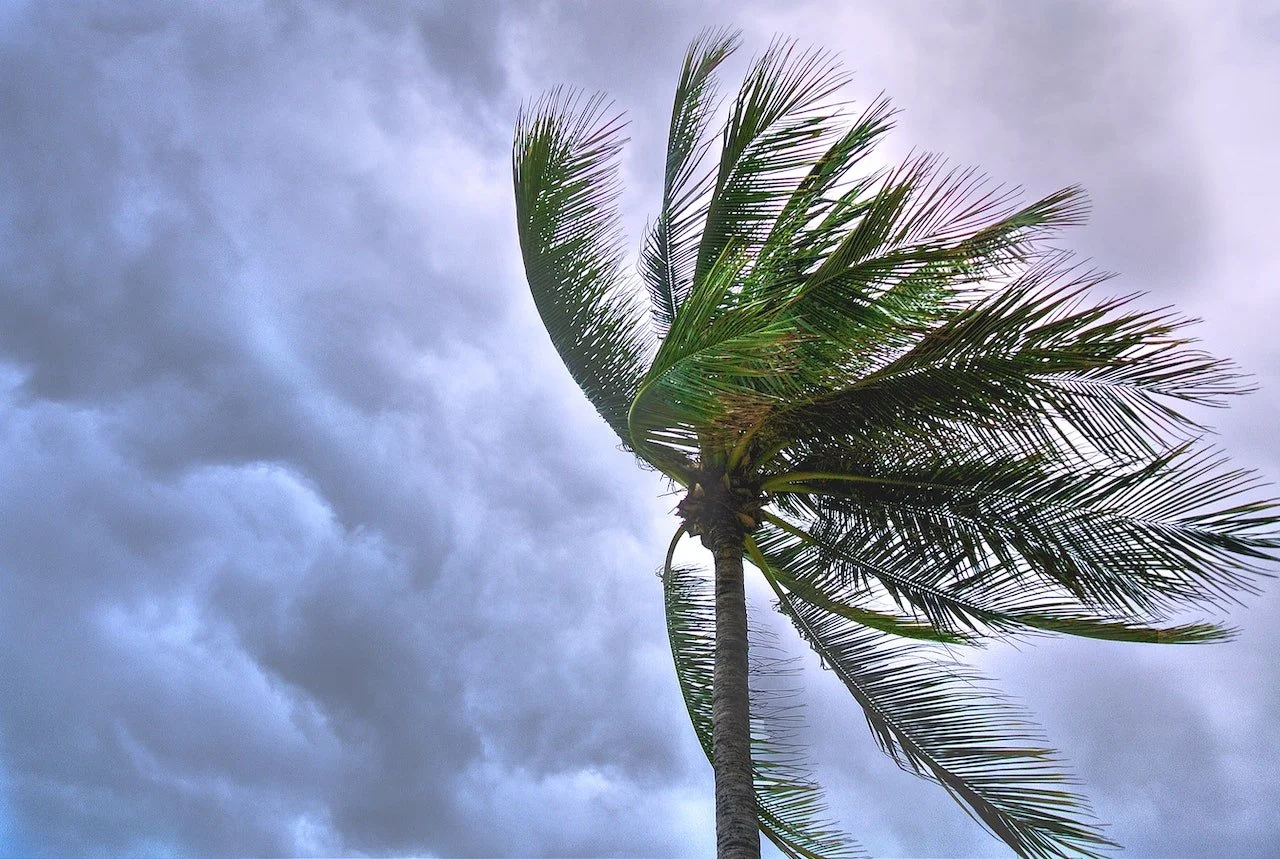
Possible tropical storm thirteen in the Caribbean is becoming more organized

Aruba, Curaçao, and Bonaire are among the western Lesser Antilles islands where potential Tropical Storm Thirteen is moving. It is anticipated that this system will bring significant rains to northern South America through Friday. The system is anticipated to develop into a tropical depression or tropical storm tonight and into a hurricane, on Saturday night as it approaches the coast of Nicaragua, according to the US National Hurricane Center (NHC), which released this information in a bulletin at 8:00 p.m. local time (12:00 GMT) on this Thursday.

The system was around 35 miles (55 km) southeast of Curacao and 175 miles (280 km) east-southeast of the northern tip of Colombia’s La Guajira peninsula at the time the alert was issued. As a US Air Force “hurricane hunter” aircraft explores the disturbance, the system is moving forward with maximum sustained winds of 35 miles per hour (55 km/h). The Colombian islands of San Andrés, Providencia, and Santa Catalina are under a hurricane watch.

The eastern coast from the Colombia-Venezuela border west to Riohacha is under a tropical storm warning. Stakeholders should keep a close eye on the disturbance’s development along the shores of Nicaragua and Honduras. Tonight or on Friday, more warnings may be required for the area.

DR was chosen to host the following Summit of the Americas

According to Roberto Alvarez, the Dominican Republic’s minister of foreign affairs, the Dominican Republic was selected this Thursday in Peru to host the X Summit of the Americas in 2025. The 52nd General Assembly of the OAS, which is taking place in Lima, Peru, coincided with the election. The foreign minister stated that the nation is dedicated to collaborating closely with all the states in the area to bring the most urgent problems facing the continent to this summit and produce the best outcomes.

“The Dominican Republic is firmly convinced of the opportunities presented by these global circumstances and is devoted to multilateralism.” We have the experience to devote ourselves to an event of this size, and that vocation has solidified in our performance, said Alvarez. The Ibero-American Conference, whose summit will take place in the Dominican Republic in March of next year, and the Central American Integration System (SICA), both currently have the pro tempore presidencies held by the Dominican Republic.

The foreign minister spoke about the country’s experience hosting international summits, citing some of the most significant events that took place there, including the second Organization of African, Caribbean, and Pacific States summit in 1999; the twelfth Ibero-American summit in 2002, the OAS general assemblies in 2006 and 2016; and the fifth Summit of Heads of State of the Community of Latin American and Caribbean States (CELAC) in 2017.

The Dominican envoy emphasized that it was an honor for his country to take on the task of planning the upcoming Summit of the Americas. “As always, we will put all of our work and commitment into carrying it out at the highest level and in an inclusive manner,” he said.

The government announces assistance of 1,000 pesos for each Hurricane Fiona-affected task

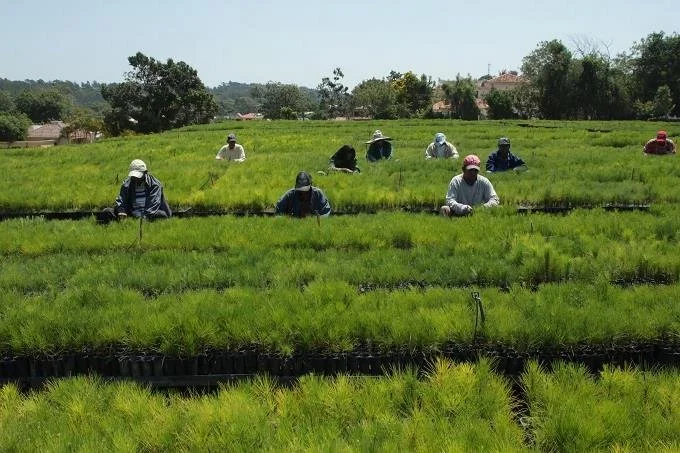
President Luis Abinader announced this Sunday that the government will provide aid of 1,000 pesos for each task damaged by Hurricane Fiona to restore agriculture in seven affected provinces. The plan will have a financial package of 5,490 million pesos. During a visit to Nagua, Maria Trinidad Sánchez, the president announced the direct support plan for growers, which includes a budget of 2.5 billion for the Agricultural Bank. Presentation Comprehensive Rapid Response Plan for the hurricane Fiona-affected farmers and ranchers’ recovery.

Due to damage to roads, rural bridges, and more than a million crops and pastures, particularly in La Altagracia, El Seibo, Hato Mayor, and Samaná, Cyclone Fiona is estimated to have cost more than 7,000 million pesos. According to Abinader, “a complete quick response plan” has been developed based on these evaluations, and both the government and all agricultural institutions are involved in carrying it out.

Livestock farms are eligible for the delivery of 1,000 pesos per affected crop task, with a cap of 300 tasks per beneficiary. The assistance will be provided through the associations of each sector, under the supervision of the Comptroller General of the Republic. Along with other facilities for producers, zero-rate financing will be made available upon request to all producers, with grace periods dependent upon the type of crop and no other requirements aside from having sustained storm damage.

Existing debts with the Agricultural Bank may also be restructured. Other measures include the free preparation of 200,000 earth tasks, the establishment of cleanup brigades, and the construction and reconstruction of 800 kilometers of neighborhood and parcel roads.

Sustainable tourism in Cibao

Santiago, R.D.

The experience of knowing, living, and enjoying every moment, appreciating the landscape, and being with the family, is no longer just part of the list; increasingly, tourists are demanding destinations that are friendly to the planet and promote good practices for the care and respect for the environment.

More frequently, both destinations and tourists immerse themselves in living experiences that generate less impact on natural resources, not to mention the level of demand at the time of vacation; not luxury, but simple, minimalist, and ecotourism spaces, for example, sustainable, comfortable and one hundred percent natural places, which do not harm the environment.

In a tour of the northern area, we have identified, among others, two destinations that have focused on creating unique experiences through their sustainable projects, which contribute to the preservation of natural resources and the enrichment of the relationship between the destination and the inhabitants of the environment.

Both places are located between the mountains, encouraging ecotourism and inviting you to disconnect to reconnect, rest and enjoy the greenery of the landscape. The first is Sereno de la Montaña, located in Moca, Espaillat province. Its existence is possible thanks to the Association for the Development of the Espaillat Province and the Jamao River Basin Management Committee, entities that set their sights on creating a destination that would involve the surrounding communities and catapult the province as a tourist destination.

This place provides different ecotourism services and has won awards such as Atabey in the Ecotourism category.

Looking at another sustainable destination in a town known as Altamira in Puerto Plata is Chocolate Mountain. Again, the tourist point was concerned with building its spaces based on materials of sustainable origin. Here, tourists have the opportunity to immerse themselves in a holistic experience with nature. It is an ideal space for glamping. On this farm, visitors have had the experience of knowing cocoa and tobacco, tasting Cimarrona beer, and having lunch in a wood-fired Sancocho with ingredients grown in the same enclosure.

Living unique experiences with loved ones, appreciating nature, and taking care of the planet, all at the same time, without a doubt, the north offers it. Sources: @chocomtn and @serenodelamontana

The Central Bank raises its interest rate 25 points and takes it from 8 % to 8.25 %

Santo Domingo, DR
The Central Bank (BCRD), at its September 2022 policy meeting, decided last night to increase its monetary policy interest rate (TPM) by 25 basis points, from 8.00 % to 8.25 % per annum.

Thus, the rate on the standing liquidity expansion facility (1-day Repos) goes from 8.50 % to 8.75 % p.a. and the rate on interest-bearing deposits (Overnight) from 7.50 % to 7.75 % p.a.

“This decision is based on a thorough evaluation of the recent behavior of the economy, especially inflationary pressures,” says the monetary entity.

With regard to external factors, there has recently been a moderation in commodity prices, particularly oil and food; as well as in container shipping costs, which have gone from a peak of about US$20,000 per container from ports on the Asian continent in 2021 to a global average of about US$4,000 per container at present.

Inflation falls

The monthly variation of the consumer price index (CPI) stood at 0.21% during August 2022, the lowest in the last 27 months, says the BCRD.

The United States will provide three million dollars to finance an agricultural project in the Dominican Republic

Santo Domingo, DR
The Chargé d’Affaires of the U.S. Embassy, Robert Thomas, announced that the government he represents would provide three million dollars to finance a project to help Dominican farmers.

The plan to which the funds will be allocated seeks to reduce the use of fertilizers, increase production and use biofertilizers to improve climate-resilient agricultural practices.

The announcement was made by Thomas as part of a day of visits to various locations in the Cibao to meet with government, political, and business leaders in the region and to support the Dominican agricultural sector.

Together with the Minister of Agriculture Limber Cruz, Thomas toured the facilities of the Bio-Rice experimental laboratory of the Ministry of Agriculture, which is responsible for research, technological development, and training related to Dominican rice production.

During the visit, the diplomat observed the production practices, pest and disease control, and efforts to promote the efficient use of inputs carried out by the Dominican Government from that agency.

In Santiago, Thomas attended the thirty-fifth edition of the Expo Cibao business fair, organized by the Chamber of Commerce and Production of that province, where he witnessed the products and services offered by the region’s leading companies in various industries such as technology, logistics, finance, sales, administration, cybersecurity, microfinance, banking, and health, among others.

Robert Thomas also visited the Ramada dairy farm, which has received technical assistance from the U.S. Government in improved reproduction techniques, livestock genetics, artificial insemination, and pasture rotation systems.

In Hermanas Mirabal province, the diplomat visited the Casa Museo Hermanas Mirabal, where he shared with members of the Manolito and Minou Tavárez Mirabal family and the former President of the Republic, Jaime David Fernández Mirabal. He also observed the textile collection of the Mirabal sisters, which in 2014 was awarded the Ambassadors Fund for Cultural Preservation, through the U.S. Embassy, for its preservation and conservation.

The maritime riches of the coasts of Montecristi

Monte Cristi, DR
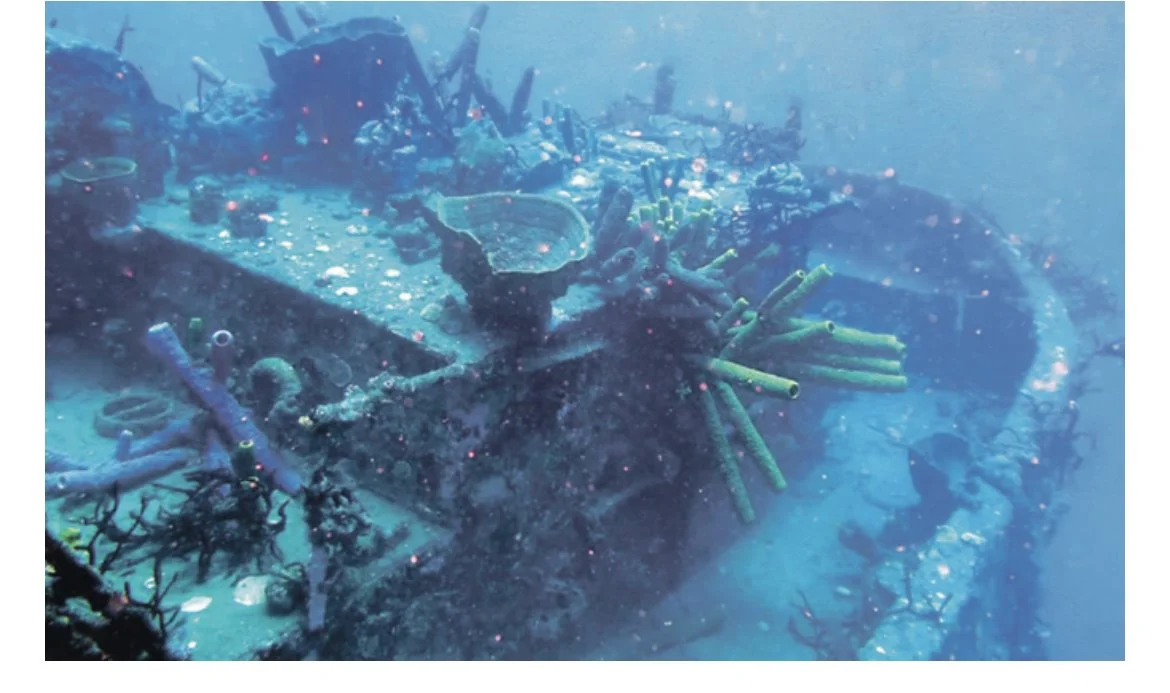
Montecristi is one of the unmissable options for ecotourism in the country. Characterized by its immense marine life, this place has 47% of all the corals in the Dominican Republic and the highest value of live corals on the island.

Robinson Jiménez, manager of Galleon Divers, pointed out that the diving and excursion center he presides is mainly aimed at nature lovers and that it not only has an underwater archeology center but is made up of ships belonging to the piracy era, where Montecristi played a “historic role” in this critical activity.

“This center is located at the bottom of the sea, with a fishing ban to contribute to the preservation of its state, managing to be a pastime that has been enriched by the Montecristenses,” added Jiménez.

Regarding the corals, he said that this province has the longest coral barrier reef in the nation, consisting of 97 kilometers without interruption.

“Montecristi has the largest marine platform in the country. A coral bank of 14 nautical miles (unit of length in maritime and aerial navigation) to the north by 36 to the west, 5 meters deep,” specified the expert.

With a national park of 500 square kilometers, the Ministry of Environment and Natural Resources declared four marine protected areas, among which are El Morro National Park, Cayo Siete Hermanos, Montecristi Submarine National Park, the latter contemplates the most extensive coral reef in the country with 49 kilometers of reef, and the Manglares de Estero Balsa National Park, with 30 meters high and a thickness of one meter, something that “is not seen anywhere else.”

Other underwater treasures

Jiménez pointed out that, due to this extensive life in the sea, navigation on the coast is “dangerous”; however, he assures that diving in these waters allows finding “impressive” objects where some of which possess up to 400 years of longevity, which adds value to the ecotourism experiences that take place in this great province.

Keys

Concerns.

“In Montecristi there should be an underwater archaeological park, but the competent authorities have never shown an interest in wanting to preserve part of the history of humanity,” confessed Jiménez.

Likewise, he thinks it is unfair that there is one in La Romana when 80% of the original pieces are from Montecristi.

On the other hand, he showed concern for the black mangrove since it is 60% disappeared.

Florida floods “catastrophically” as a result of Hurricane Ian

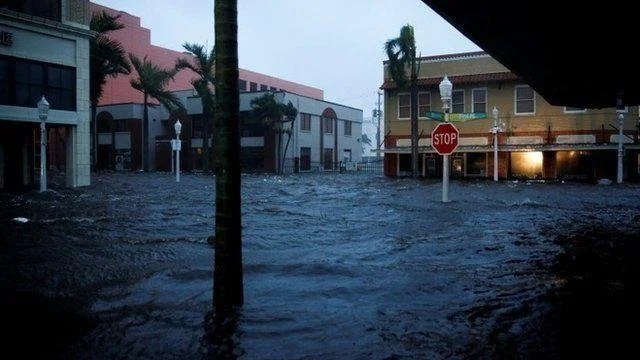
With its strong winds and heavy rain, Hurricane Ian raced across the state of Florida on Wednesday, leaving “catastrophic” floods and power disruptions. While Coast Guardsmen were still looking for 20 people, bad weather caused a boat carrying migrants to capsize south of the hurricane’s path, close to the Florida Keys. Four of the castaways were able to swim to land, while three needed to be pulled from the water.

According to the United States National Hurricane Center (NHC), Ian made landfall at Cayo Costa, in the southwest of the state, around 15:05 local time (19:05 GMT), with sustained winds of up to 185 kilometers per hour. As a result, Hurricane Ian caused “catastrophic flooding,” according to the Center, which also decreased the hurricane’s intensity to category 3 on the Saffir-Simpson scale, from one to five, despite the fact that it was still very hazardous.

According to the specialized website PowerOutage, which tracks power outages in the US, Ian left roughly two million homes in Florida without energy at nightfall on Wednesday, particularly in places in the hurricane’s path. According to the same source, many of the counties close to the area where Ian made landfall were virtually without power.

The NHC predicts that Ian, which has already wreaked havoc on western Cuba in recent days, will proceed towards Florida for the remainder of the day before reemerging over the western Atlantic on Thursday night.

Sunclass Airlines to operate flight between Stockholm and Punta Cana

Sunclass Airlines will become the first airline in Scandinavia to acquire the A330-900 model, and it will be used to reactivate long-haul flights to leisure and beach destinations from winter 2022/23, such as the Dominican Republic, Aruba, Mexico, Jamaica, and Vietnam, from different points in the Nordic region.

In the case of the DR, the airline has scheduled a flight from Stockholm to Punta Cana and Oslo from November 11, 2022, to March 2023. It has also scheduled nine flights from Stockholm to Punta Cana and Copenhagen. Also, a connection from Oslo / to Punta Cana / Oslo.

“The expansion and enhancement of our aircraft fleet is a direct extension of the Nordic strategy of Sunclass Airlines, Ving and their sister regional companies. We are working together as a Nordic unit to generate growth in the form of new destinations, further increase comfort for our passengers and ensure that we emit as little CO2 per passenger as possible,” said Torben Østergaard, CEO of Sunclass Airlines.

It is recalled that Ving AB, a Swedish tour operator, announced that it had signed a contract with Air Lease Corporation, according to Aviation Online.