Dominican Republic’s Environment Ministry takes journalists on whale watching trip to raise awareness

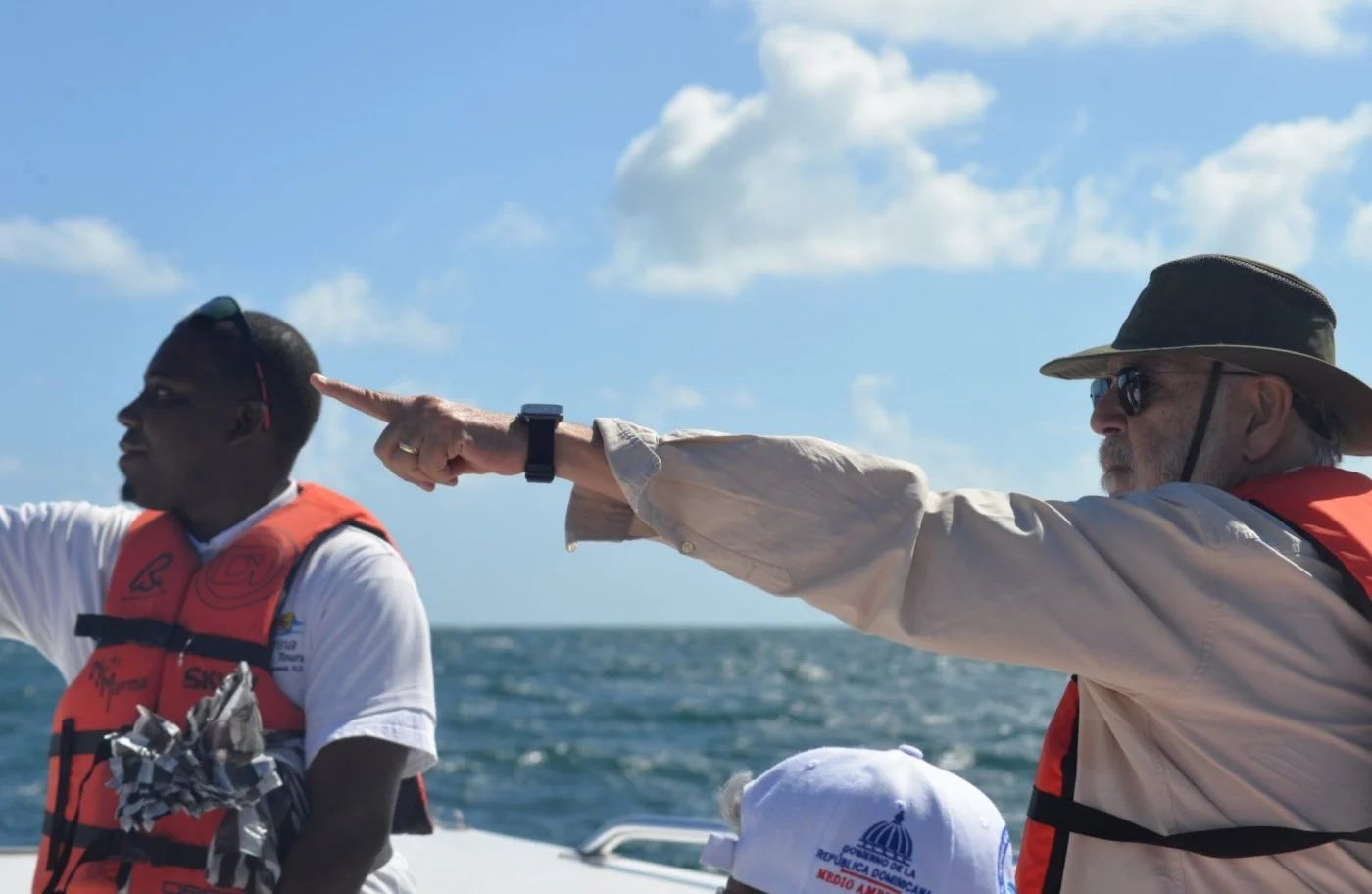
Samaná, DR.- The Dominican Republic’s Ministry of Environment and Natural Resources (MMARN) took a group of journalists on a whale watching trip on Saturday in Samaná, a province on the country’s northeast coast. The goal was to raise awareness about the importance of protecting the humpback whales that migrate to the area each winter.

Minister of Environment Miguel Ceara Hatton welcomed the journalists aboard the boat, which departed from the Malecón de Santa Bárbara de Samaná.

“We are in Samaná, we are going to go on a tour to visit the whales,” he said. “It is a unique experience, a cultural experience, an environmental experience, an experience with nature.”

Ceara Hatton emphasized the role of the media in spreading awareness about environmental issues and promoting sustainable development. He also highlighted the economic importance of whale watching to Samaná and the Dominican Republic as a whole.

“We invite everyone to come to Samaná and see this beauty,” he said. “Today we are accompanied by a group of journalists, people of communication, so that they can also spread the word about this beautiful place that is in Samaná.”

The journalists had the opportunity to see several whales up close, including one that was just giving birth. They also learned about the biology and behavior of humpback whales from a guide who is a certified whale watching educator.

Biologist Nelson García Marcano, head of the Biodiversity Directorate at MMARN, explained that 43 boats are registered for whale watching in Samaná. He said the activity generates significant economic activity for the province, including jobs for boat captains, guides, and wildlife inspectors.

Dominican Republic overtakes Mexico at Fitur with 19 hotel projects announced

The government delegation of the Dominican Republic beat its major tourism competitor, Mexico, in terms of hotel investments presented at Fitur, with 19 projects announced, as opposed to none from the Aztec country.

The Dominican Minister of Tourism, David Collado, summarized that 19 new hotel projects have been formalized for the next three years, with more than 9,000 rooms and an estimated investment of some 3 billion dollars.

Collado explained that of these rooms, 2,627 are in Miches, 5,511 are in Bávaro/Punta Cana, 877 are in Santo Domingo, and 130 are in Santiago.

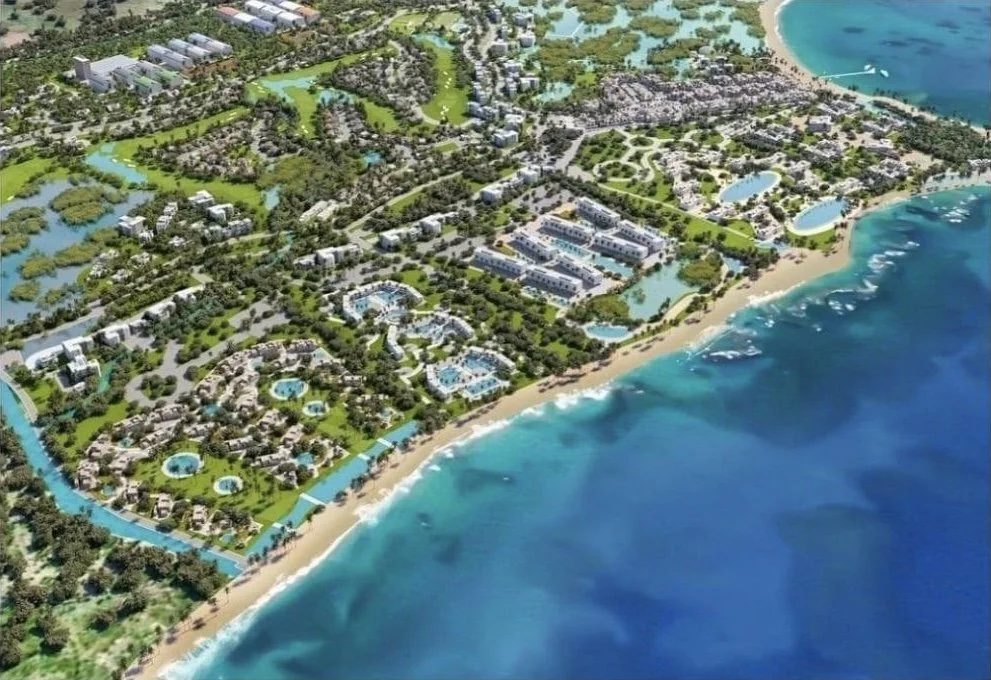
The Dominican Minister of Tourism also presented the agreement between the Rainieri family and Meliá for a new project in Punta Bergantín, in Puerto Plata.

The Martinón Group and Banco de Reservas also formalized the agreement to construct the first two hotels in the Punta Bergantín project under the Hyatt Ziva and Hyatt Zilara brands.

Similarly, Alterra Village and Grupo De Valle announced their plans to develop the first Registry Collection hotels and residences in Jarabacoa.

On the other hand, Cap Cana presented a hotel project of more than 500 million in Juanillo, which will consist of 22 lots to be developed in different phases designed for boutique hotels.

Likewise, the Puntacana Group revealed its next project in the country’s east, with some 80 ultra-luxury rooms under the Playa Serena Punta Cana Resort brand, which is expected to be inaugurated in 2026.

In the marketing section, Collado highlighted that during this Fitur, 16 agreements were reached, including three airlines, 11 tour operators, and two consortiums of travel agencies.

Precisely, in the case of Mexico, the Secretary of Tourism, Miguel Torruco, said that the objectives were met since “we had 40 interviews on the agenda due to the enormous interest of Europeans in the Mayan Train.”

During the Madrid fair, the top leaders of the Spanish hotel chains grouped in the Caribbean Tourism Investors Association (Inverotel), chaired by Encarna Piñero, CEO of Grupo Piñero, expressed to Torruco their intention to expand their investments in other destinations in the country, in a meeting that was also attended by the governor of Quintana Roo, Mara Lezama, as REPORTUR.mx had anticipated (Cancun: major hoteliers ask Torruco for more destinations to invest in Mexico).

At this lunch, held last Wednesday at the Meliá Palacio de los Duques, the investors focused their praise on the governor in charge of the Cancun and Riviera Maya destinations.

The following day, Inverotel associates, at the same establishment, congratulated Collado for reaching the record of 10 million foreign tourists in 2023 for the first time in its history.

Both meetings were attended by the leaders of Meliá (Gabriel Escarrer), Riu (Joan Trian Riu), Bahía Príncipe (Encarna Piñero), Iberostar (Sabina Fluxá), Palladium (Abel Matutes) and Princess (Carlos Poy).

UN Tourism Secretary-General praises Miches

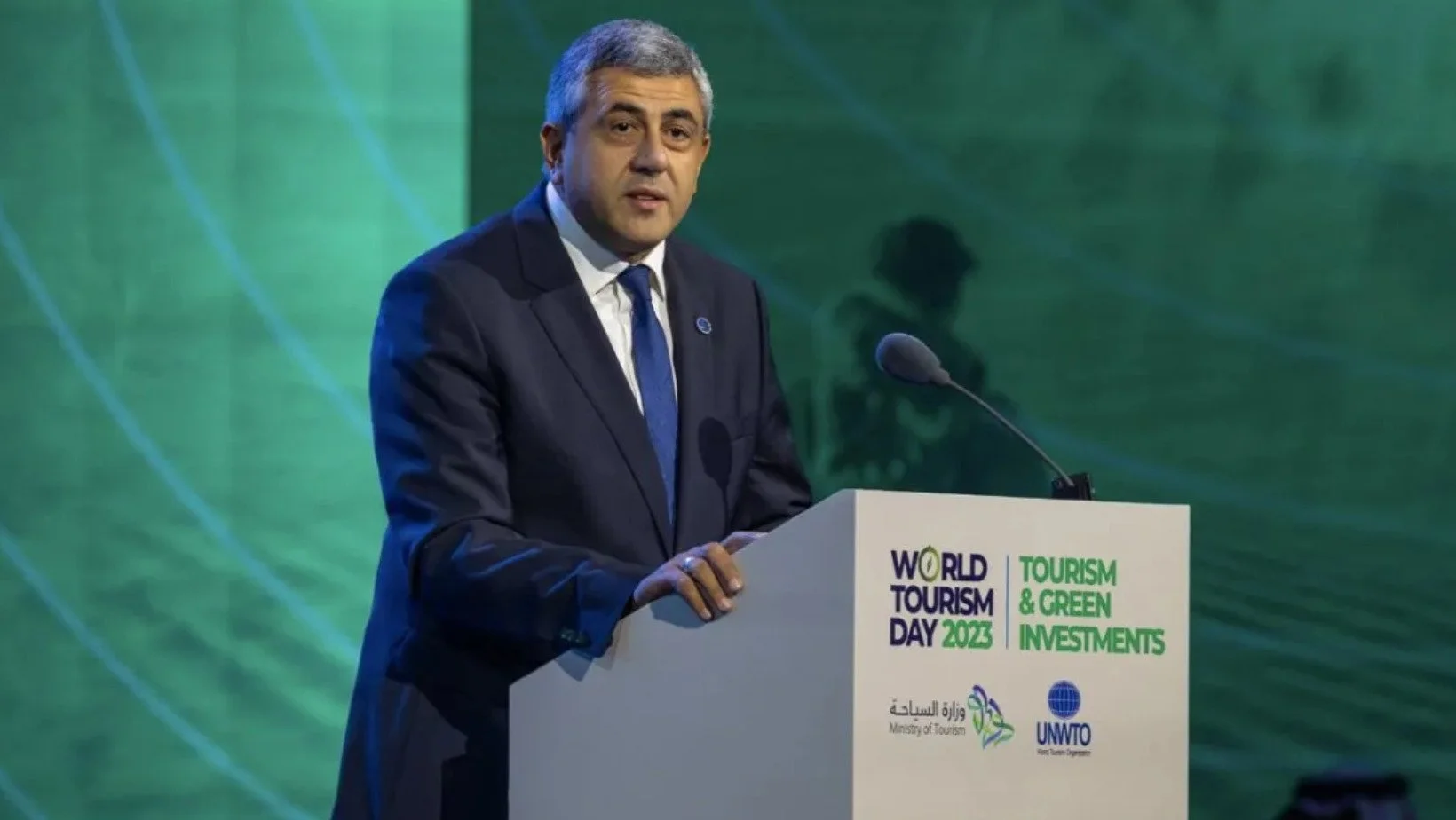
Madrid, Spain.- The Secretary-General of UN Tourism, Zurab Pololikashvili, commended the beauty and tourism potential of the Miches municipality during the International Tourism Fair (Fitur 2024), where the Ministry of Tourism showcased Miches, along with Punta Bergantin and Pedernales.

Pololikashvili praised Miches as a destination that marks a new success story in Dominican tourism. He emphasized the rapid establishment of large hotel chains in the tourist municipality, citing notable names such as Four Seasons, Hilton, and Hyatt.

“I went there once, and within 5 minutes, I fell in love with the beauty that Miches has. I am totally sure that Miches will be a destination where people will go to invest, as is already happening,” stated the Secretary-General of the World Tourism Organization during an interview with Moisés González of the newspaper and program “Despertar Nacional.”

Pololikashvili congratulated Minister of Tourism David Collado for achieving the milestone of 10 million visitors in 2023, reiterating that tourism plays a pivotal role in the Dominican economy.

Participating in the presentation “Miches, towards a reality,” Zurab Pololikashvili also highlighted the collaborative efforts of the government and the private sector to transform Miches into an environmentally friendly destination.

Dominican economy: 2.4% growth in 2023

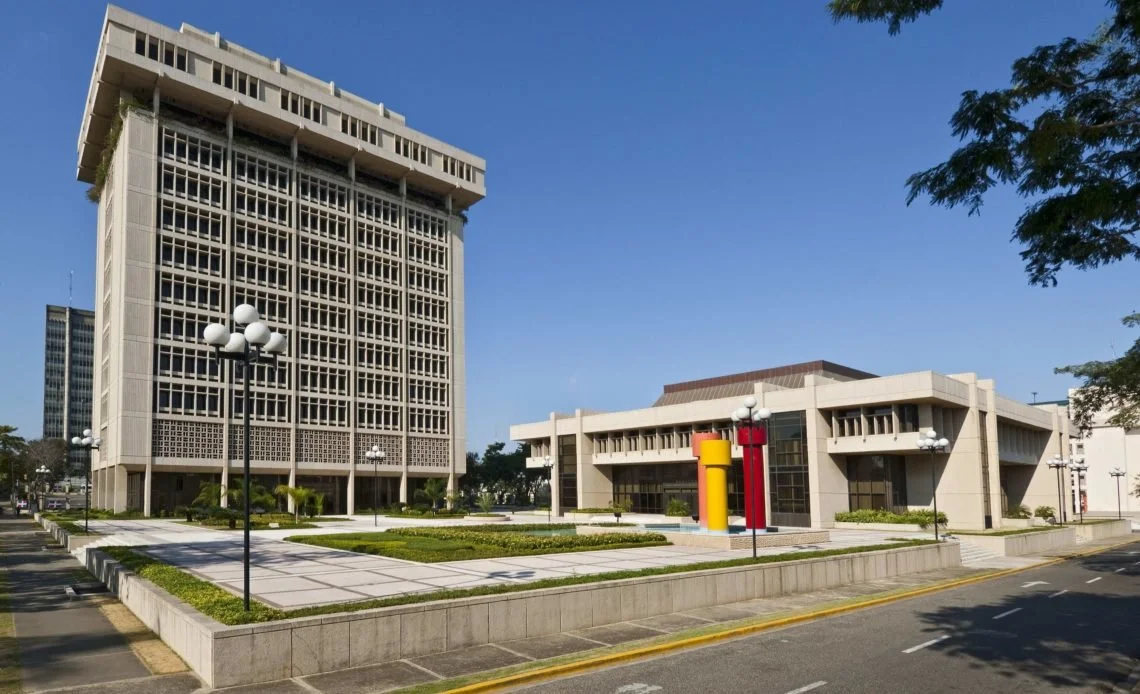
Santo Domingo.- The Dominican Republic’s Central Bank (BCRD) reported a 2.4% year-on-year expansion in the economy for 2023, surpassing initial projections and exceeding the Latin American average growth estimated at 2.2% by the World Bank.

The Monthly Indicator of Economic Activity (IMAE), a key indicator of robust economic performance, recorded a 4.7% year-on-year expansion in December 2023, marking the highest monthly rate of the year. This reflects sustained growth, with a 4.2% increase in the last quarter of 2023, surpassing rates observed in previous quarters.

Inflation, on the other hand, showed a downward trend, ending 2023 with an annual rate of 3.57%, the lowest in the last five years. This achievement positions the Dominican Republic below the central target range of 4.0% ± 1.0% set in the monetary program.

The tourism sector played a pivotal role in economic growth, with tourism income reaching US$9,828.9 million, a 16.9% year-on-year increase from 2022. Remittances received in 2023 amounted to US$10,157.2 million, growing by 3.1% compared to the previous year.

Foreign direct investment (FDI) also saw a significant increase, reaching US$4,381 million in 2023, a 9.2% rise from the previous year. Sectors such as tourism, energy, and real estate stood out in this FDI increase.

The construction sector, with positive variation rates since July 2023, has contributed to economic recovery. The facilitation of loans to productive sectors and households, along with reduced interest rates, played a role in this positive trend.

In the international context, the United States, the primary trading partner, recorded a 2.5% year-on-year economic growth in 2023, positively impacting the Dominican Republic’s economic performance.

These optimistic figures position the Dominican economy for favorable performance in 2024, with growth projections of 5%, one of the highest in Latin America. The expectation is that monetary stimulus, public investment, and continued foreign direct investment will further boost economic activity while maintaining inflation within established parameters.


Cap Cana announces a $500 Million investment project

Madrid, Spain.- The Destination City Cap Cana revealed an ambitious project during the FITUR 2024 Tourism Fair, entailing an investment exceeding 500 million dollars. This project is strategically located in the heart of the picturesque Juanillo beach.

Named the Juanillo Village project, it encompasses 22 lots, and its development will unfold in various phases, featuring boutique hotels, condo hotels, apartments, a spacious commercial area, and beach clubs. The commencement of the development is scheduled for 2024.

The project promises an unparalleled experience, boasting a commercial promenade that seamlessly integrates restaurants, art galleries, shops, boutiques, and entertainment areas in one centralized space. This concept offers an ideal setting for a vacation with a distinct lifestyle, conveniently located just five minutes away from the new Las Iguanas golf course by Jack Nicklaus, currently under construction.

Juanillo Village distinguishes itself with a unique concept not commonly seen in the Dominican Republic, encompassing around 1,000 apartment units and accommodating 30 to 40 commercial premises.

The announcement of this substantial investment was jointly made by Cap Cana’s Executive President, Jorge Subero Medina, along with the Minister of Tourism, David Collado, and the Commercial and Marketing Director, Noribel Medina.

FITUR 2024: $3,500 million investment, 19 new projects

Madrid, Spain.- The Minister of Tourism, David Collado, announced the successful conclusion of the Dominican Republic’s participation in FITUR 2024. The event resulted in the initiation of 19 new tourism projects, attracting nearly $3.500 million in new investments. These projects are set to add over 9,000 hotel rooms across various regions in the country.

Collado outlined the development plan, stating, “We have outlined a route to develop 19 new hotel projects over the next three years, which will mean 9,135 rooms, with an estimated investment of 3.500 million dollars. Of these rooms, 2,048 are expected to be operating for the summer-winter period of this year and another 3,106 by 2025.”

Emphasizing the significance of the agreements signed during FITUR, Collado highlighted collaborations with airlines, travel agencies, and tour operators aimed at improving connectivity, boosting the destination brand, and tapping into new market segments. A total of 16 agreements were signed, involving three airlines, 11 tour operators, and two travel agencies.

Collado explained, “The objective of these agreements is to attract 322,000 passengers, with an impact on foreign currency of more than 280 million dollars, and which directly and indirectly represent more than 26,000 jobs.” He specifically noted the importance of agreements with key entities such as Iberia, Air Europa, Edelwise, Avoris, Nautalia, Soltour, eDreams, and Viajes el Corte Inglés.

During FITUR, 53 percent of the meetings focused on attracting investments and engaging with travel agencies and tour operators. Collado expressed satisfaction with the outcomes, stating, “Today we end our commercial activity at the most important International Tourism Fair for the Dominican Republic, FITUR. We leave with enormous satisfaction and a full and challenging work agenda.

Alliance for gastronomic tourism strategy

Santo Domingo.- In a bid to promote the Dominican Republic as a culinary tourist destination and showcase its significant potential and culinary advancements, the Dominican Restaurant Association (ADERES), in collaboration with the Ministry of Tourism (MITUR) and Banreservas, has entered into an agreement with the Basque Culinary Center and its technological arm, BCC Innovation Gastronomy. The purpose of this collaboration is to design and implement a plan that will sustainably enhance the country’s tourism through gastronomy.

The agreement was formalized in Madrid, Spain, during the FITUR 2024 International Tourism Fair, with the signing attended by Minister of Tourism David Collado, ADERES President Omar Cepeda Darauche, BCC Innovation Director Begoña Rodríguez, and Banreservas General Administrator Samuel Pereyra. Also present were David Llibre, President of ASONAHORES; Aguie Lendor, Executive VP; Pedro Cuevas, innovation and strategy consultant at BCC Innovation; Rafael Cabrera, Banreservas executive; and Filipo Ciccone, ADERES treasurer.

The plan’s execution will unfold in four phases, integrating the entire value chain to achieve the sustainability of Dominican gastronomy and its local products. It will encompass international initiatives at various territorial scales, ongoing policies and plans, key assets, and actors in the country’s gastronomic development, as well as a diagnosis of the current gastronomic reality of the Dominican Republic, formulation, and proposals of iconic dishes, among other aspects.

Omar Cepeda Darauche emphasized the significance and broad scope of the agreement, stating that the Basque Culinary Center and BCC Innovation will present strategies and recommendations aimed at positioning the Dominican Republic as a leading gastronomic destination in the Americas by 2030. He highlighted the need for all stakeholders in the value chain to come together and participate for sustained success in all aspects.

“In this project, producers, processors, farmers, ranchers, ingredients, and native products will be considered to create a culinary identity that distinguishes us globally,” added Omar Cepeda. He expressed gratitude for MITUR’s facilitation of the hiring of BCC Innovation and Banreservas’ support for the plan’s execution and the Dominican gastronomic industry.

The formalization and execution of this Strategic Plan for Sustainable Gastronomy reaffirm ADERES’ commitment to the development and well-being of the Dominican culinary and gastronomic industry. Additionally, it aims to promote the variety of local products and the diversity of flavors that Dominican gastronomy offers.

The Caribbean Gold Coast Magazine, a success at FITUR 2024

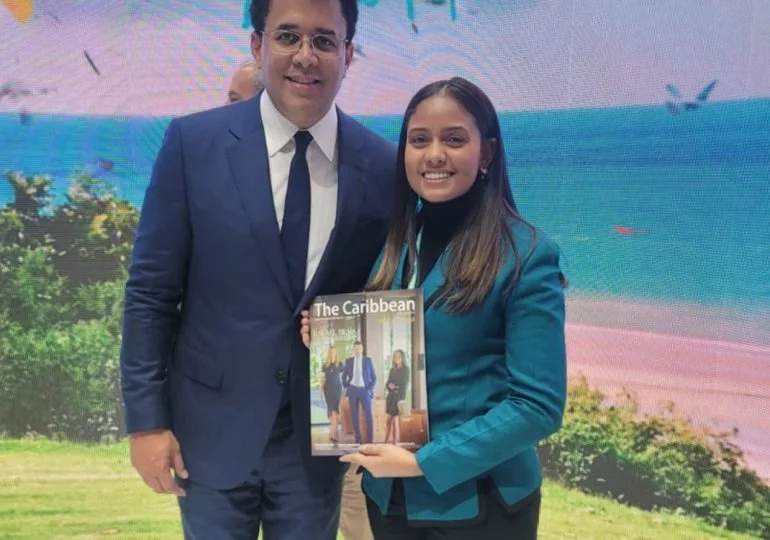
Madrid, Spain.- In its twelfth edition, The Caribbean Gold Coast Magazine has achieved successful distribution at the 44th edition of the International Tourism Fair (FITUR) 2024, solidifying its status as an industry benchmark and reflecting the recovery of global tourism activity.

FITUR 2024, featuring 133 confirmed countries, 890 regular exhibitors, and a 66,900-square-meter area, serves as a favorable platform to promote tourism and showcase destinations worldwide. Within this dynamic context, The Caribbean Gold Coast Magazine has distinguished itself by showcasing the beauty and attractions of the Dominican Republic through its visually appealing printed pages.

Led by journalist Leonardo Medrano and Katherine Henríquez, the magazine has captured the attention of professionals and visitors at FITUR 2024, emerging as a valuable resource to discover the wonders of the Caribbean and the opportunities that the Dominican Republic presents as a tourist destination.

The presence of The Caribbean Gold Coast Magazine at FITUR 2024 stands as evidence of the global resurgence of tourism, overcoming the challenges faced by the industry in recent times.

The twelfth edition of The Caribbean Gold Coast Magazine at FITUR 2024 has received outstanding acclaim from tourism professionals and visitors who have lauded its informative content, along with its visually appealing and high-quality design. The magazine has become an invaluable tool for promoting tourism and inspiring exploration of idyllic destinations.

The team at The Caribbean Gold Coast Magazine expresses pride in participating in FITUR 2024 and extends gratitude to readers and visitors for their support and enthusiasm. The magazine remains committed to delivering relevant and valuable content, highlighting the marvels of the Caribbean, and promoting sustainable tourism in the region.

BHD promotes sustainable tourism

Santo Domingo.- Banco BHD hosted its inaugural BHD Tourism and Investment Forum, designed as a platform to present and discuss topics of mutual interest related to tourism and foreign investment in the Dominican Republic. This initiative, organized by BHD’s Corporate and Business Banking, coincided with the celebration of the Madrid International Tourism Fair (FITUR).

Steven Puig, the President of Banco BHD, led the event and delivered a welcoming address, while David Collado, the Minister of Tourism of the Dominican Republic, also contributed to the discussions.

Puig highlighted the bank’s longstanding involvement in financing tourism projects, spanning over two decades, and emphasized their recent commitment to Responsible Banking Principles. He described the forum as the first in a series, aiming to facilitate learning, knowledge exchange, and the sharing of best practices to enhance each participant’s role in the industry.

The panelists covered a range of topics, including the contributions of environmental protection and community development projects, sustainability practices, social inclusion, and its impact on communities. Discussions also delved into the challenges faced by the tourism sector in implementing sustainable practices, emerging sustainability trends in tourism, and strategies for mitigating environmental and social risks associated with tourism.

Meliá and Grupo Puntacana unite for Punta Bergantín hotel project

Punta Cana.- Meliá Hotels International, the largest Spanish hotel group, and the Puntacana Group have inked a preliminary agreement with the Bergantín Trust for the development of the inaugural hotel within the burgeoning tourism project in Puerto Plata. Under this agreement, Meliá Hotels International is slated to oversee the hotel’s operations, featuring one of its distinguished brands as the flagship.

Pioneers in tourism in Punta Cana, the Puntacana Group, and Meliá Hotels International, with a substantial existing presence of six hotels in the destination, have collaboratively committed to the establishment of 300 hotel rooms, along with the management of around 100 branded residences.

The collective initial investment for the project is projected to surpass $70 million, with construction poised to commence promptly once the unique specifications of the project are finalized.

Meliá Hotels International, a globally prominent hotel chain with over 400 hotels operational or in progress across 40 countries, holds a significant position in Punta Cana, where it boasts a robust portfolio through its brands Paradisus by Meliá and Meliá Hotels & Resorts, featuring luxury and premium accommodations totaling over 3,000 rooms.

Meanwhile, Punta Bergantín is a governmental initiative, spearheaded by Grupo Reservas and the Ministry of Tourism (Mitur), aimed at developing a tourist complex in Puerto Plata, the country’s primary tourist region.

This collaborative venture envisions an extensive development plan for the destination, encompassing at least 4,500 new hotel rooms, 2,000 residential and mixed-use tourist units, a golf club, public access beach clubs, and the establishment of a unique thematic town in the region.

Moreover, the initiative includes the establishment of film studios managed by actor and producer Vin Diesel, alongside an innovation center that aims to position the destination not only as a tourism hub but also as a leader in innovation and entrepreneurship, creating a one-of-a-kind “silicon beach” worldwide.

Collado presents Road Show at FITUR 2024

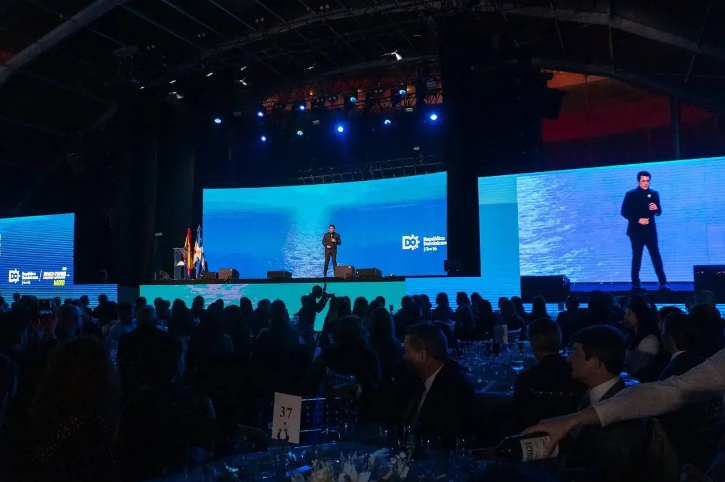
Madrid, Spain.- The Dominican Republic’s Minister of Tourism, David Collado, kicked off official activities at FITUR 2024 with his customary Road Show, addressing over 300 tour operators and travel agencies in Europe. In this event, held at the renowned Las Ventas bullring in Madrid, Collado unveiled the ministry’s strategy aimed at further elevating the Caribbean nation’s standing in the European market.

Collado elaborated on how the Dominican Republic successfully achieved the milestone of attracting over 10 million visitors in 2023. He emphasized the advantages and benefits that make the Dominican Republic a premier destination in the Caribbean for global travelers.

This presentation aligns with collaborative efforts from both the public and private sectors to maintain the Dominican Republic’s appeal among Spanish and European tourists as their preferred long-distance destination.

During the meeting, Minister Collado showcased the diverse beauty of various Dominican destinations and underscored the favorable conditions for investment in the Caribbean nation. He outlined the ambitious goal for the current year, aiming to surpass the 3% increase in Spanish tourists who visited the Dominican Republic in 2023.

In 2023, the Dominican Republic welcomed a historic 10,306,517 visitors by air and sea, marking a significant milestone in its tourism history.

Addressing the tour operators and travel agents participating in the Road Show, Collado expressed confidence in their collective efforts, stating, “Your presence here is the best evidence that together we will guarantee to continue being the favorite long-distance destination of Europeans.” He also noted a prior meeting with 300 travel agents and tour operators on the eve of the official start of FITUR.

BHD and the ICO ratify an agreement to encourage Spanish investment in the DR

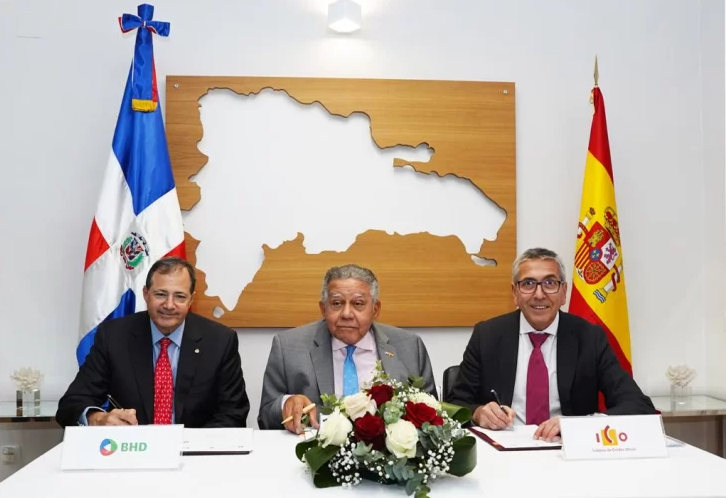
Madrid, Spain.- Banco BHD has obtained approval from the Official Credit Institute of Spain (ICO) for a credit line of up to $50 million. The funds are designated to finance investment projects of business clients associated with shareholders of Spanish origin or those acquiring goods or services from Spain.

Steven Puig, president of Banco BHD, emphasized the utilization of funds for projects and business loans with a sustainability component. The objective is to contribute to sustainable development, growth, wealth distribution, and job creation. The financing will extend to projects addressing climate change and aligning with global development agendas, showcasing the bank’s commitment to responsible banking principles.

Puig also highlighted the availability of funds for any project meeting the criteria of Spanish interest and Banco BHD’s internal policies, as well as those set by the ICO. Luis Molina Maríñez, Senior Vice President of Corporate Banking and Business at Banco BHD, explained that clients must demonstrate Spanish interest, either through direct or indirect participation of a Spanish shareholder or entity in the company’s share capital, or through supplies, works, or services provided by Spanish companies.

These funds will be accessible until October 2024, with financing terms ranging from 180 days to 10 years.

Ministry of Tourism launches sports tourism strategy

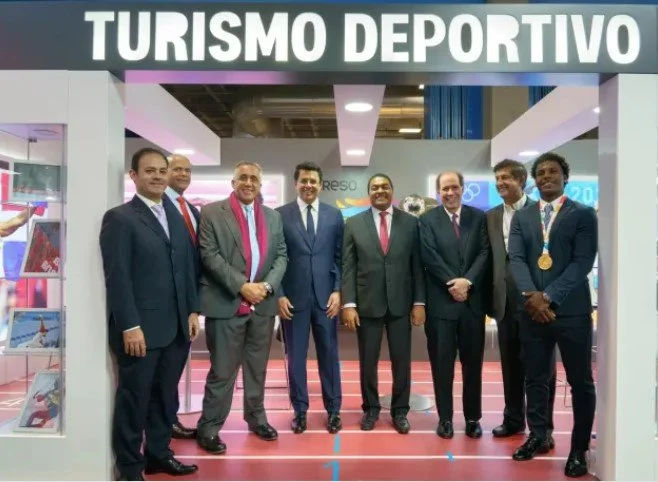
Madrid, Spain.- Today at FITUR, the Ministry of Tourism of the Dominican Republic unveiled the national sports tourism strategy and introduced the establishment of the Public-Private Sports Tourism Commission. Simultaneously, the creation of the Dominican House for the Paris 2024 Games was announced in collaboration with the organization Creating Olympic Dreams (Creso), as per a press release.

The national sports tourism strategy is set to receive a total investment of five million dollars, with the Ministry of Tourism of the Dominican Republic contributing three million dollars and Creso contributing two million dollars.

Minister of Tourism David Collado emphasized that tourism in the Dominican Republic transcends the conventional sun and sand experience. Within this diversification, the Ministry has identified sports tourism as a strategic axis for increasing the number of visitors and enhancing the international visibility of the Dominican Republic. Collado outlined the composition of the newly established commission, which includes Felipe Vicini, President of Creso; Luis Mejía, a member of the International Olympic Committee; José Monegro, President of the Santo Domingo 2026 Organizing Committee, and David Llibre, President of the Hotel and Tourism Association of the Dominican Republic.

This initiative marks the first time the country will have a Dominican House during the Olympic Games, serving as the epicenter of the national delegation and a space to showcase the country’s brand to visitors while celebrating the triumphs or medals achieved by Dominican athletes during the Olympic event.

During the event, the Minister of Tourism highlighted the Sports Tourism Commission’s objective, which is to identify the best opportunities for sporting events that can attract tourists to the country. Additionally, it aims to pinpoint international events in which the Dominican Republic must participate to strengthen the Country Brand with its athletes.

Felipe Vicini praised the initiative, expressing the belief that through sport, the country can improve and, with a robust sports tourism strategy, transform the Dominican Republic into the capital of sporting events in the Caribbean, attracting numerous visitors and positively impacting the development of athletes.

Luis Mejía and José Monegro, both positive about the initiative, considered it essential for the continued success of the Central American and Caribbean Games for Santo Domingo 2026.

The presentation of the Dominican House in Paris 2024 was attended by Olympic champions Félix Sánchez and Adeury Corniel, who received a warm reception from all visitors.

Santiago monorail: first tests set for April

Santiago, DR.- Engineer Jhael Isa Tavarez, overseeing the Santiago Monorail transportation system project, announced today that the initial tests for this mode of transportation are set to commence in April. Following the arrival of the first train and four cars on January 19, the engineer disclosed that these tests, involving the vehicles’ initial rolling phases, will continue until 2025—the designated date for the opening of the first commercial section.

You may be interested in reading: First monorail cars arrive in Santiago

This inaugural section will run from Station 01 in Santiago Oeste (Cienfuegos) to the Central Station, situated in the professional building on Las Carreras Avenue. Upon reaching this point, it will integrate with the Santiago Cable Car transportation system, slated to inaugurate operations in March 2024.

Isa clarified that the electromechanical phase of the project initiates with the ongoing tests, involving the connection of the train to the concrete track—a process completed between Station 01 and Station 03. Following this, the train is placed on the track, and the electrification installation process begins.

The engineer cautioned that the subsequent stage, scheduled for April 2024, is termed “phase zero.” He emphasized that this phase is not aimed at the commercial transportation of passengers but rather focuses on adjusting the electromechanical components.

Isa shared these details during an event attended by Santiago authorities, who witnessed the arrival of the train and cars.

Bank credit to tourism amounted to RD$105.5 million in 2023

Santo Domingo.- At the close of 2023, the dominican bank played a pivotal role in driving the tourism sector’s development with a credit portfolio surpassing RD$105,500 million (US$1,824.5). These funds were instrumental in financing hotel projects and associated businesses.

According to the preliminary version of the Annual Report on Banking and Tourism from the Superintendency of Banks (SB), the portfolio dedicated to this sector witnessed a growth of 6.7% compared to 2022.

As of December 2023, tourism accounted for 10.6% of loans in the private commercial portfolio. This segment boasted 20,494 unique debtors and 24,004 loans within the financial system, marking year-on-year increases of 5.5% and 7.2%, respectively.

When examining interest rates in foreign currency, it becomes apparent that tourism enjoys an annual financing cost of 7.59%, slightly lower than the 7.62% seen in the rest of the private sector.

In terms of risk, it stands out as the second portfolio with the lowest delinquency rate in the financial system, with only 0.17% of the debt overdue. Moreover, approximately 23.1% of the total capital owed in the tourism portfolio is secured with rateable guarantees. This signifies that for every RD$1 of capital lent in the system, there are RD$4.3 in backup guarantees.

Consequently, credit to this sector has consistently grown, maintaining an average nominal rate of 14.2% over the last five years.

Segmenting loans by currency type reveals that 87.9% of the tourism portfolio is denominated in US dollars, constituting 23.4% of the total foreign currency portfolio in the financial system.

Commercial banks dominate the tourist credit portfolio with a 98% participation rate. Additionally, 91% of tourism financing is concentrated among the three major banks with the highest asset amounts.

The report underscores the sector’s significance in the economy, as hotels, bars, and restaurants contribute nearly 6.8% to the gross domestic product (GDP) and employ 8.1% of the workforce in the Dominican Republic.

“There is a large amount of Dominican capital entering the tourism sector”

Santo Domingo—”The business model in the Caribbean hotel sector is increasingly diverse. Before, they were large family hotel companies with tradition and experience in tourism with hotels 100% owned and operated by themselves. Now we are seeing the emergence of non-hotel investors entering into management and operating agreements with tour operators or major international brands. In addition, we are seeing a large number of Dominican investors introducing their capital in this sector,” said Juan Manuel Martín de Oliva, vice president of the tourism area of Banco Popular Dominicano, in an interview with arecoa.com.

Martín de Oliva, who will receive the arecoa.com award at Fitur 2024 for his career in the Dominican tourism sector and his significant contributions from the position he holds at BPD, the leading private bank in the financing of tourism projects, revealed to this digital newspaper fundamental aspects about the development of the DR tourism industry and the promising future of this sector.

What do you feel most satisfied with in your career, and who would you highlight as your primary references during this time?

My foremost satisfaction is that, together with the rest of the team, we have positioned Banco Popular as the undisputed leader in service to the tourism sector. Being called and recognized as “the tourism bank” is a source of pride and responsibility that moves us to improve daily. Having received recognition from various institutions in the sector, such as Asonahores, different Tourism Clusters, the Ministry of Tourism, and the UNWTO, among others, are reviews that motivate us even more to support this critical and transcendent sector for the country’s economy.

The primary references are undoubtedly my colleagues at Banco Popular from whom I learn every day, the top executives of the bank who, with their example, support the initiatives that we as a tourism team propose and, of course, as a north, I have the thousands of families who live from this sector and who show their pride in every visit I make to the different companies in the industry.

What have been the most significant difficulties you have overcome to create a tourism banking division of your current weight?

I would speak of challenges more than difficulties because we constantly innovate at Banco Popular. Since we created the first vice-presidency of the tourism sector in a bank, maintaining our position as leaders in financing and service to the industry, and many other initiatives that we have pioneered, we have had to face the necessary challenges to grow. Fortunately, our clients have been very generous with us and have given us support for all these initiatives, which, in the end, is what is essential because they are our reason for being.

Where do you see the most significant potential among Dominican destinations to stand out as the fastest-growing new hotels?

“The Dominican Republic has it all” is a reality, so fortunately, we have a lot of potential in large areas to explore, and not only on the beach, we have a lot of potential in health, mountain, and adventure tourism, among others. But we are certainly seeing growing areas, such as Miches, Bergantín, Pedernales, etc… However, when it comes to expansion, I see it not only as an increase in beds but also as an increase in quality. So we have areas like Bávaro, Punta Cana, and Uvero Alto that have many hotels in a continuous effort by investors to adapt to the ever-increasing quality demanded by tourists.

And where do you appreciate it among the rest of the main destinations in the Caribbean, and why?

I wouldn’t say I like comparisons because each destination has its strengths. However, it is indisputable that we have created an optimal environment in the Dominican Republic since tourists seek stability and security. In our country, they find social, political, economic, and exchange stability, and tourists feel safe. This fact makes the demand grow, encouraging investors to create sustainable and long-term investments that, in turn, help with this stability. All this generates a virtuous circle that supports our growth to be constant and exponential.

What main variables do you value most when financing a tourism project with greater or lesser emphasis?

Here, I come back to the subject of the team; at Banco Popular, we support each other to achieve the success of our clients’ hopes and dreams. We have a Credit Analysis area that perfectly understands the tourism sector, and we do not limit ourselves to approving or declining; we are proud to advise our clients through our Investment Banking Area. I always remember that we are not a transaction but a relationship bank.

When we evaluate a project, the client’s experience is significant, and they have a clear business plan so we can adapt to each one. Each transaction differs from the previous one and will vary from the next one. And, of course, we support those who believe in their project by assuming their share of the risk.

To what do you attribute the fact that the leading investors in the region have been Spanish despite the challenge of an ocean in between?

The Spanish people have always been immigrants and hard workers with a vision to explore new worlds, and that is in their blood. Among the Spanish people we reviewed in the past, practically all of them were Mallorcans, and they already came with a great experience of tourism. At Banco Popular, we have supported tourism for more than three decades; precisely 25 years ago, we already foresaw the importance of this sector in the country’s economy. As a result of this vision, 25 years ago, we signed an agreement with a Spanish bank with deep roots in Mallorca to bring the best practices of how to attend to these Spanish investors and show them that we could provide a service and attention according to their needs. As a result of this agreement, I came to join this great family, Popular.

What are the keys to a hotel product that will be more successful than others in the future?

Undoubtedly, one that shows sensitivity to sustainability and takes care of the environment, involving the nearby communities in the hotel’s business success. Today’s young client are increasingly looking for integration into the destination with experiences that bring them closer to the communities to take away a memory of experiences that will last in their memory.

Fortunately, in the Dominican Republic, many hoteliers have had this philosophy for a long time and are very busy developing and preserving this model.

What changes in the financial situation do you think will make it even easier to increase investment with lower-interest loans?

The monetary authorities in our country are giving unquestionable support to investment, which allows us financial institutions to serve our clients under the best conditions. The Government, through tax incentives, is also supporting this growth. So, I understand that by continuing on this path, we can transmit to the client an adequate interest rate and conditions and structures in line with their business plan demands. An example is Dominican banks’ significant growth of financing to the tourism sector, where Banco Popular continues to be a pioneer, financing close to 39% of the total portfolio destined for this sector in the country.

In what virtues would you concentrate the contribution of tourism banking divisions as key to promoting tourism projects?

I understand that in the knowledge of the sector. Having an area like ours, where we are not only dedicated to providing loans or managing clients’ resources but also participate as members of the Hotel Association, the Clusters, and other associations linked to tourism, gives us an experience and knowledge that allows us to provide much more value to our relationship with investors.

Do you consider that Spanish banks have given as much share and priority to hotel financing as entities such as yours do?

I have the impression that Spanish banks know the tourism sector very well, and at Banco Popular, we have had excellent relations with Spanish entities with great success. Large hotel companies require a large amount of capital to be able to develop their investments, and being able to count on banks like ours allows them to use the resources of their Spanish banks to build hotels in those countries where financing could be more complicated than in the Dominican Republic, and that is where we come in to complement their needs.

What would be the ideas that, in your opinion, would have the most significant impact on improving the complementary offer of the destinations?

The infrastructures in the different destinations are vital in developing the complementary offer. We have experienced this in the East with the Coral Highway, shared with the cruise ports in Puerto Plata.

The contribution of Banco Popular and the rest of the banks in the system to small and medium entrepreneurs is also critical to the growth of this complimentary offer. I encourage continuing this policy of growing large infrastructures that generate an adequate and orderly environment for this development.

What is the outlook for the succession of the leading family vacation chains?

Promising and excellent, without a doubt. The 100% of the examples we see in all the chains augur well. In addition, as they are large but family chains, we know how the new generations have been involved in the business from a very young age, as they have experienced it in their homes. If there is a common denominator among hoteliers, it is passion, and they have taken that characteristic home with them and passed it on from generation to generation.

We are seeing generational replacements that do not need a period of maturation to get to know the business but are being a continuity of it, and in most cases, with the support and support of those first generations of fighting, persevering, passionate and visionary men and women who have generated a breed of hoteliers who are undoubtedly proud of their descendants.

How would you quantify the value of the specialized press in defending the sector and enhancing its voice?

I like to end with this question because it allows me to leave in the reader’s memory the importance and relevance of the press in the success of tourism in our country. The tourism press has been, and will continue to be, a necessary traveling companion since it makes known the successes and reminds us of what is not so good, thus allowing us to correct along the way. But it is undoubtedly a protagonist and indisputable ally of the growth of tourism. It can feel very proud that with its invaluable help, the Dominican Republic is today at the top of tourism worldwide.

New Manzanillo dock receives first equipment for a 414 MW power plantNew Manzanillo dock receives first equipment for a 414 MW power plant

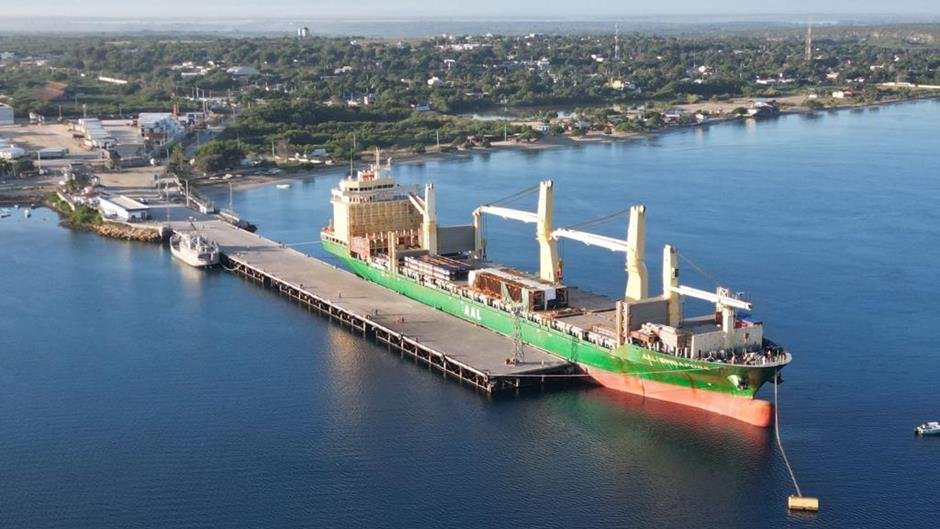
Santo Domingo.- The recently inaugurated Manzanillo Bay dock saw its maiden ship arrival last weekend, marking the introduction of the first major components for the new “Manzanillo Powers Land” electric power generation plant. Developed by the Dominican capital’s private consortium Energía 2000 SA, the facility will be part of the energy complex in Montecristi province.

The breakwater, which enhances the port’s capacity, was celebrated by hundreds of people from Manzanillo and neighboring communities. This expansion addresses a longstanding promise and request from the community, emphasizing the commitment of the current government.

Operated with liquefied natural gas and designed by Siemens-Energy, the combined cycle thermoelectric plant is set to produce 414 net MW. The construction of the Manzanillo Energie dock’s auxiliary breakwater, already in service, was completed in a record time of 6 months and required a significant investment of US$10.5 million. The new breakwater, with a capacity of 400 tons, is 270 meters long and will facilitate the unloading of materials and equipment for the ongoing development of the power plant.

President Luis Abinader initiated this significant project in August 2023, reinforcing its national importance through Decree 3-24 issued on January 8. The Energía 2000 SA consortium highlighted that Manzanillo Powers Land is a pivotal milestone in regional energy development, aligning with the government’s strategy to meet the escalating demand for electricity.

Furthermore, the state-of-the-art plant incorporates advanced technology, featuring a heat recovery unit to utilize heat emitted during electricity generation in a secondary process, ultimately enhancing energy efficiency.

Dominican resorts shine in USA Today’s 10 Best 2024

New York.- Lopesan Costa Bávaro Resort, Casa de Campo, and Diente de Perros in the Dominican Republic have earned prestigious recognition, securing spots in the top 10 of their respective categories in the “10 Best Readers Choice Awards 2024” by USA Today newspaper in the United States.

The Lopesan Costa Bávaro Resort, situated in Punta Cana, has claimed the #6 position on the list of the “Best All-Inclusive Caribbean Resorts.”

In the “Best Resort in the Caribbean” category, Casa de Campo Resort & Villas, located in La Romana, has secured an impressive #10 ranking.

Notably, the Diente de Perro golf course at Casa de Campo has earned the #4 position in the “Best Golf Course in the Caribbean” category.

These accolades were bestowed upon the winners of the “10 Best Readers Choice Awards 2024” following meticulous evaluation by a team of Caribbean travel experts. These experts, residing in the cities they cover, consistently update their content to provide accurate and relevant information.

Raquel Peña highlights economic growth at Davos Forum

Davos, Suiza.- Vice President Raquel Peña underscored the Dominican Government’s commitment to transparent and fair policies, aiming to curb corruption, money laundering, and drug trafficking. Speaking at the Annual Forum of the World Economic Forum in Davos, Switzerland, Peña emphasized the importance of these strategies for ensuring economic and social stability while attracting investments to the Dominican Republic.

Peña pointed out that corruption adversely affects the quality of life for a country’s inhabitants, emphasizing the government’s efforts to strengthen institutions and enhance public management efficiency.

Highlighting the collaboration model between the State, private companies, academia, and civil society, the vice president emphasized the role of joint efforts in boosting the economy. She specifically credited the country’s growth in recent years to the tourism sector.

In addition, Vice President Peña emphasized the government’s support for entrepreneurship and the development of medium and small businesses, particularly focusing on complementary financing and promoting entrepreneurship among women and young people in unconventional areas.

During a panel moderated by Marisol Argueta de Barillas from the World Economic Forum, Peña and other panelists expressed the importance of Latin America’s role in the world, stating that the nations within the region are ready to play a leading role in the current social and political context.

As part of the official agenda at the international event, Vice President Peña held several meetings, including one with Klaus Schwab, founder and CEO of the World Economic Forum, and Hilde Schwab, co-founder and president of the Schwab Foundation for Social Entrepreneurship. Other meetings included executives from Salesforce, AES Corporation, McKinsey, and more.

Upon concluding her official commitments in Davos, Vice President Peña plans to return to the Dominican Republic next Thursday.

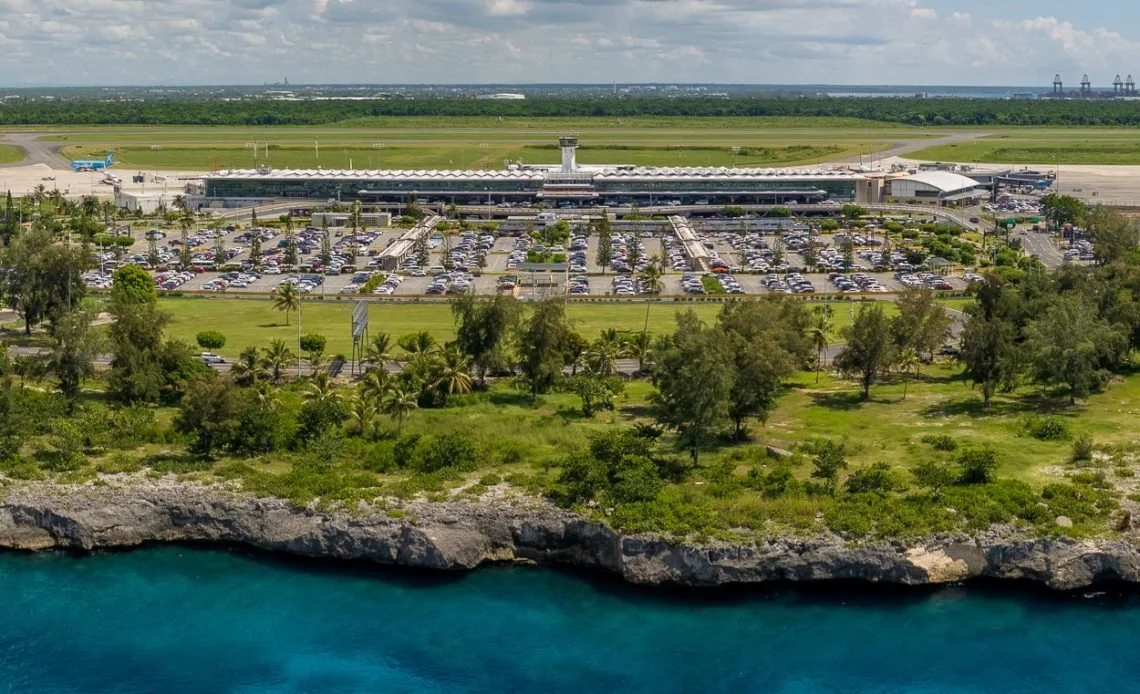
Aerodom breaks records in 2023

Santo Domingo.- VINCI Airports has announced record-breaking achievements in passenger and cargo transport across its six managed airports in the Dominican Republic in 2023.

Aerodom airports experienced a remarkable surge in total traffic, handling 6,584,000 passengers, marking a notable 10.4% growth compared to the 5,960,000 passengers recorded in 2022. The airports also surpassed the previous record by handling over 193 million pounds of cargo in 2023.

The Santo Domingo airport (AILA) retained its status as the country’s primary cargo hub, with increased demand prompting airlines such as Copa Cargo, Avianca Cargo, and Latam Cargo to boost the frequency of their flights in 2023.

Mónika Infante Henríquez, CEO of Aerodom, attributed these positive results to the effective performance of AERODOM, aligning with the growth observed in the tourism and economy of the Dominican Republic.

Looking ahead to 2024, Aerodom plans to enhance operational efficiency by collaborating with the General Directorate of Customs to establish an Express Mail Processing Center. This center aims to streamline courier parcel processes. Additionally, a new flight kitchen beside Sky Caterers is in the pipeline. Preliminary work will also commence for the construction of a new terminal at the airport.