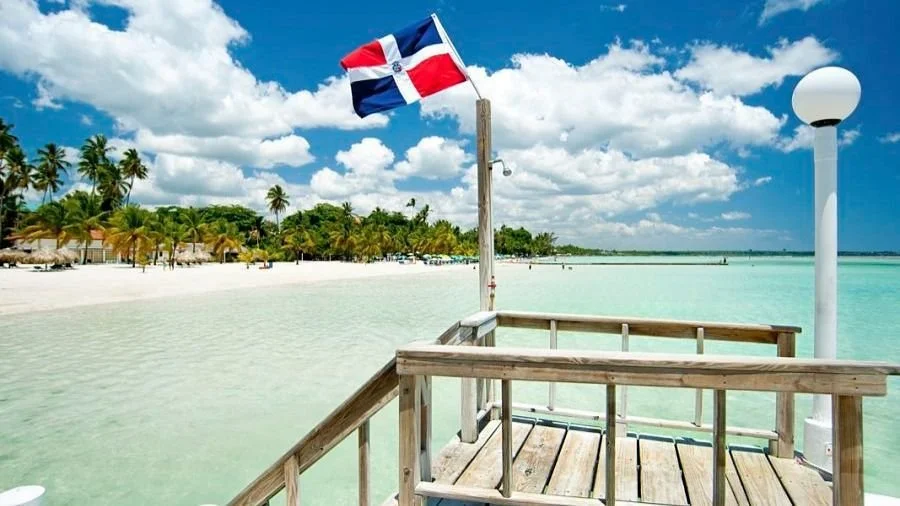

Tourism in Cada Rincón shows the attractions of the northern region at Expo Cibao 2023

Santiago.- The Tourism Stand at Expo Cibao 2023, organized by the Ministry of Tourism, showcased the main tourist attractions of the Monseñor Nouel, Espaillat, and Santiago provinces, infusing dynamism, festivity, and vibrant colors into the event. Expo Cibao 2023, held from September 27 to October 1, is the largest multi-sector exhibition in the Dominican Republic and adopted the motto “Santiago Investment Hub.”

The Tourism Stand attracted visitors on the closing day of the event, offering a lively display with dancers from the Son de Keka and characters from the Santiago Carnival, creating an enticing atmosphere. The attendees also received samples of Santiago’s iconic attractions, including Mural routes, tobacco production, the León Center, monuments, churches, and the hotel offerings of the Hodelpa chain.

Ramón Paulino, President of the Santiago Tourist Destination Cluster, expressed his satisfaction with the promotion of Santiago’s potential and the diverse offerings of the Cibao provinces through Mitur at Expo Cibao 2023, appealing to both local and international tourists.

Martín Duquela, Director of Internal Tourism at Mitur, highlighted the immense acceptance of the Tourism platform in Cada Rincón and Mitur at Expo Cibao 2023. He emphasized that the stand showcased the richness of the region, encompassing art, culture, rivers, beaches, mountains, gastronomy, and history, all chosen from the best of the “Tourism in Every Corner” program in the Cibao provinces.

On Saturday, the spotlight was on the Espaillat province, with dynamic presentations and creative tastings of appealing products from Moca, including exclusive coffee, Responsible Fish, dulce y rodao, mofongo mocano, and artisanal ice creams. The event also featured information and promotion of natural and ecotourism attractions, with the support of the Ecotourism Cluster of the Espaillat province.

Expo Cibao 2023 provided a platform to showcase the rich cultural and tourist offerings of the Cibao region, fostering interest among visitors and promoting the beauty and diversity of these provinces.
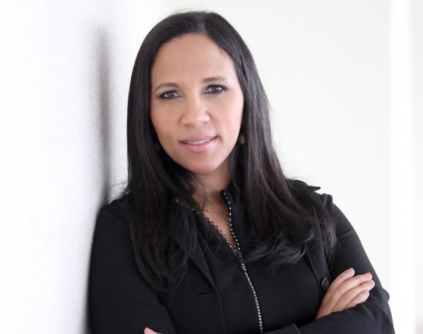

Vice Minister of Tourism sees it as key to push the emergence of local lines

Santo Domingo.- Jacqueline Mora, the Vice Minister of Tourism, highlighted that the Dominican Republic has surpassed a significant group of 14 countries in terms of tourist arrivals. This achievement comes after Saudi Arabia, which has aggressively pursued tourism and made a strong entry into the sector.

Mora explained that when comparing tourist arrivals by air in the first seven months of 2023 with the same period in 2022, the leading countries are Qatar, Saudi Arabia, Albania, El Salvador, Andorra, Armenia, Ethiopia, Colombia, Jordan, Virgin Islands, Tanzania, Liechtenstein, Curacao, Honduras, and the Dominican Republic.

She emphasized the importance of promoting the development of local airlines in response to these trends.

Mora pointed out that many of the countries in this group heavily rely on land-based tourism, with several being small in size and experiencing a tourism recovery that began in late 2022 and continued into 2023. Notably, countries like Qatar, Saudi Arabia, and Colombia have national airlines, which has been an effective strategy. In the case of Colombia, its tourism was still at 50% in 2022.

She noted that countries such as El Salvador and Honduras have a significant share of land-based tourism due to their continental location, as do Albania, Jordan, Andorra, and Armenia.

Mora stressed that the current fuel and aviation crisis poses a challenge for long-distance air travel, making it crucial to compare the Dominican Republic’s performance with countries of similar configurations. She highlighted that many of the countries in this comparison are quite small.

As an example, Mora mentioned Colombia, which has a strong focus on tourism, and multiple local airlines like Avianca and Wingo. Qatar also stands out in this group, with a robust tourism focus and the presence of its flagship carrier, Qatar Airways.

She concluded by noting that among the comparable countries, the Dominican Republic and Qatar stand out prominently, with the Dominican Republic receiving three times as many tourists as Qatar.

Cultural and sustainable tourism attracts Dominican banks

Santo Domingo.- With the rise of cultural and sustainable tourism in the entrepreneurial landscape, the three major Dominican banks are exploring the financial solutions they can offer to their clients. Luis Molina, the Senior Vice President of Corporate and Business Banking at BHD, emphasized the need to enrich the tourism experience beyond the traditional sun and sand, focusing on cultural tourism.

During the Caribbean Orange Forum 2023, Molina expressed BHD’s interest in understanding the risks, opportunities, and multiplier effects of cultural and sustainable tourism. The bank aims to categorize businesses in this industry to provide more targeted products and services.

BHD Bank’s loan portfolio for the tourism sector totals around $400 million, with a distribution of approximately 65% for large companies and 35% for SMEs. Despite this allocation, SMEs constitute the majority of clients in terms of numbers.

Banreservas also recognizes the importance of SMEs in the tourism ecosystem. Kenneth Martí, the Senior Business Director, highlighted the support provided to artisans, farmers, taxi drivers, tourist guides, and tour operators through various programs. The bank also focuses on supporting tourism projects that create employment and stimulate the local economy.

Banco Popular, on the other hand, emphasizes the importance of viable business plans for the success of orange ventures in the creative industry. Francisco García, Vice President of Investment Banking, mentioned their commitment to providing guidance to business owners and supporting new projects. The film industry has received significant financing from Banco Popular, contributing to its loan portfolio, which currently represents 40% of the bank’s total.

These efforts were discussed during the panel “Banking as a Driver of Cultural and Sustainable Tourism” at the Caribbean Orange Forum 2023, where financial institutions expressed their support for the creative industry’s role in enhancing cultural and sustainable tourism experiences. The event showcased the contributions of the orange economy to this sector through national and international presentations.

World Bank hopes to normalize Dominican Republic-Haiti relations; highlights stability attracts investment

Santo Domingo.- The World Bank’s Chief Economist for Latin America and the Caribbean, William Maloney, expressed hope for the normalization of the situation on the Dominican-Haitian border, which has been closed due to a binational conflict over the use of water from the Massacre River. He emphasized that stability in the region is an attractive factor for foreign investment.

Maloney mentioned that the Dominican Republic, like many other islands in the area, has the potential for nearshoring, which can be harnessed to attract foreign investment.

In terms of economic growth, the World Bank’s projections for the Dominican Republic indicate a growth rate of 3.1% in 2023 and 4.6% for the following year. While these growth rates are positive by regional standards, they represent a slight reduction from previous estimates. The World Bank had initially projected a growth rate of 4.1% for 2023 and 4.8% for 2024 in June of the same year.

Maloney highlighted that the Dominican Republic has shown sustained growth in productivity compared to many other countries in the region.

On a regional level, the World Bank estimates that Latin America will experience stronger-than-expected growth in 2023, with a projected GDP growth rate of 2%, up from the previous estimate of 1.4%. However, this growth rate is still below that of other regions in the world. The report suggests that higher-than-expected GDP growth in the United States and the performance of the G7 nations are helping the region’s economic prospects.

In terms of individual countries in the region, Mexico is expected to grow by 3.2%, Brazil by 2.6%, Peru by 0.8%, and Colombia by 1.5%. Argentina is projected to experience a 2.5% decrease in GDP, while Chile is expected to see a 0.4% decrease.

The 14th edition of Dominican Republic Fashion Week begins

Santo Domingo.- The Dominican Republic Fashion Week has kicked off with its traditional opening shows featuring renowned fashion designers. Local talent Giannina Azar presented her ‘Noir’ collection, while Venezuelan designer Ángel Sánchez showcased the ‘R-Edit’ collection. Italy is the honored guest country for this event, which will run until Sunday.

Clarissa Molina serves as the godmother of the event, while Gaby Desangles and Rodner Figueroa took on the role of hosts for the first night. The grand opening ceremony was held at the JW Marriott in Blue Mall and was graced by the presence of Milagros Germán, the Minister of Culture.

Despite a delayed start, the event commenced at 8:00 pm, with Melkis Díaz, CEO of the RDFW, expressing his excitement and gratitude for the fourteenth edition of this prestigious fashion event.

Giannina Azar, known as the “queen of too much style,” presented a collection inspired by the African jungle, a theme that resonates with her essence, alongside a touch of ‘Glam.’ The collection featured a color palette of black, gold, and silver, with striking elements like openings, necklines, transparencies, and embellishments with metal and rhinestones, characteristic of the “master of fashion.” The collection also included a smaller selection of daring men’s clothing.

6th International Health and Wellness Tourism Congress receives broad support from the public and private sector

Santo Domingo.- The 6th delivery of the International Health and Wellness Tourism Congress, scheduled for November 1 and 2, 2023, at the JW Marriott Hotel in Santo Domingo, will receive significant support from the value chain that drives the combination of tourism and health.

Various institutions from both the public and private sectors will participate in and sponsor this biennial event organized by the Dominican Health Tourism Association (ADTS) and the Communication and Public Relations firm, AF Comunicación Estratégica.

Dr. Alejandro Cambiaso, president of ADTS, when discussing the support received, emphasized that health tourism continues to consolidate in the country. This consolidation encourages them to reinvent themselves continually, advancing and strengthening the relationship between the public and private sectors. Their aim is to encourage investment in new projects beneficial for the country and the sector.

Cambiaso highlighted, “This initiative promotes best practices and international accreditations while enhancing destination security. It establishes a stronger connection with the primary source markets for tourists and patients.”

Amelia Reyes Mora, president of AF Comunicación Estratégica, also mentioned that due to the event’s characteristics as an excellent platform for business development and investment opportunities, it has gained support from prominent business organizations. They seek to fortify this segment, revealing the clear vision of the future and the significant business potential within this field.

In its two recent editions, the congress attracted more than 800 participants and approximately 70 local exhibitors from various countries, including Canada, Costa Rica, the United States, India, Mexico, Puerto Rico, Panama, Spain, Colombia, and Caribbean islands. It also had the support of over 110 sponsors.

The Ministry of Tourism, Banco Popular, Seguros Reservas, Hospital Metropolitano de Santiago, Amadita, Macrotech, Right Construction, Arium, Global Medica, Cap Cana, BHD, Hospital IMG, Instituto Espaillat Cabral, Grupo Rescue, Reference, Meta Íntegra, Casa de Campo, HEMA, Caribbean Health TPA, Grupo Eléctrico Dominicano, Grupo Teran, Mercedes Benz, Seminsa, Farmaconal, Skymed, Central Romana, Clínica Abreu, Médico Express, Unique, Madih, Hospital General de la Plaza de la Salud, JW Marriott, Cedimat, Advanced, New York Prebysterian, Farmacia Carol, Rosa García, Mallén, Hospital Serena del Mar, Hospital for Special Surgery, and Advanced Asset Management are among the supporters of this event.

The organizers expressed their gratitude for the invaluable support provided by the media, which plays a vital role in making the event a success.

The media partners for this event include Listín Diario, Summary of Health, Forbes, Mercado magazines, Medihealth, Contacto, Factor de Éxito, Bohío News, Dominican Today, Summary of Tourism, and JCDecaux.

They also extended their appreciation to the national press for their role in disseminating news about the event.

This international congress, which aims to highlight the country’s competitive advantages as a tourism leader in the region, will once again have the endorsement of the Ministry of Public Health, the American Chamber of Commerce (Amchamdr), the National Association of Hotels and Restaurants (Asonahores), the Dominican Institute for Quality (INDOCAL), and the Pontifical University Pontifical Mother and Teacher (PUCMM).

For more information about the event, registrations, and sponsorships, please visit the web portal: https://congresoadts.com/ or call (809) 567-2663.

H10 Hotels, the first chain to certify the calculation of its carbon footprint

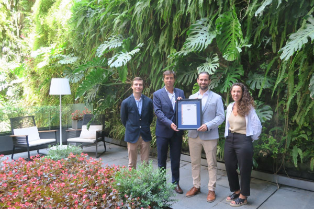
H10 Hotels has achieved the CO2 Compliance Certificate from AENOR, a renowned certifying entity. This makes H10 Hotels the first hotel chain to calculate its carbon footprint and obtain certification. The calculation of greenhouse gas emissions was verified by AENOR, using the Greenhouse Gas Protocol (GHG Protocol), an internationally recognized standard for measuring and managing emissions. The certification, which will be updated annually, demonstrates H10 Hotels’ commitment to sustainability as part of its Stay Green plan, aiming to reduce greenhouse emissions per stay by 75% by 2030 compared to 2010 levels.

H10 Hotels considered scope 1 and scope 2 emissions for its calculations, as these are most influenced by hotel operations. This includes European hotels under the H10 Hotels and The One brands, Ocean hotels in the Caribbean, and corporate headquarters. In 2022, the calculated carbon footprint per stay was 6.5 kg CO2 equivalent, with 2.2 kg CO2 eq./stay corresponding to scope 1 and 4.3 kg CO2 eq./stay to scope 2, which is among the lowest ratios in the hotel industry.

H10 Hotels has taken various measures to reduce greenhouse gas emissions, including using renewable energy sources, installing solar and geothermal panels, and focusing on alternative heat generation technologies. The company is committed to minimizing its environmental impact and promoting sustainable tourism across all its destinations through its Stay Green strategic plan.

Dominican Foreign Minister appears today before the Senate to explain the Dominican Republic-Haiti conflict

Santo Domingo.- The Minister of Foreign Affairs, Roberto Álvarez, is scheduled to attend today’s ordinary session of the Senate to provide legislators with comprehensive details about the ongoing conflict between the Dominican Republic and Haiti concerning the diversion of the Masacre River.

Minister Álvarez will appear before the Senate at 2:00 pm, following the approval of a resolution by Senator Yván Lorenzo, which requested additional information regarding the conflict due to concerns about the “wave of incoherence and misinformation” on the subject.

The resolution approved by the senators highlights the presence of misinformation surrounding the issue and alleges that the Dominican government has held “contradictory positions” on the matter, which Haiti has utilized in its defense.

Senator Elías Piña, a member of the Dominican Liberation Party (PLD), emphasized the importance of the Foreign Ministry convening a meeting with the diplomatic corps in the Dominican Republic to clarify the situation with Haiti and the Dominican position. He also noted the need for the government to provide a detailed account of its positions on the local and international levels regarding the border closure, as these positions have been perceived as inconsistent.

Minister Álvarez has expressed his willingness to attend the Senate session to address any issues of interest to the legislators.

The conflict between the Dominican Republic and Haiti centers around the diversion of the Masacre River into Haitian territory, which has led to measures such as border closures and visa suspensions. In response, the United Nations Security Council approved a resolution to send international military forces to Haiti to address the social and political crisis engulfing the country.

The three main challenges of the Dominican private sector, according to the World Bank

Santo Domingo.- Improving the investment climate, addressing educational gaps, and enhancing electrical services are key factors to boost productivity and competitiveness in the Dominican private sector. These insights come from the Private Sector Diagnostic (CPSD) report titled “Creating markets in the Dominican Republic,” authored by the World Bank.

During the report’s launch, Jade Salhab, a private sector specialist, highlighted that 39% of Dominican companies face challenges in the business environment, primarily due to cumbersome bureaucracy, lack of institutional cooperation, and fiscal fragmentation. Streamlining processes could reduce a company’s launch time by up to 27%.

Salhab emphasized the importance of better institutional coordination to attract investments, particularly in nearshoring. While the country possesses various capabilities and competencies across institutions, aligning them more effectively could yield greater results.

Addressing the growing demand for highly qualified personnel is crucial. Despite the Dominican Republic’s sophistication, the educational system falls short, particularly in high-level industries. Education emerges as a significant concern for the business sector.

Magdalena Lizardo, managing partner of Pareto, stated that education is a primary source of productivity issues. Although 75% of the working population over 15 has secondary education, the completion rate is lower, around 49%. Education is vital for industries like medtech, which require increasingly sophisticated processes.

José Manuel Torres, executive vice president of the Dominican Association of Free Zones (Adozona), emphasized the challenge of finding qualified personnel, hindering the growth of certain industries.

Marco Henríquez, CEO of Henríquez y Asociados, stressed the need for ongoing investments in training to enhance the export sector’s logistics chain, a critical factor in competitiveness.

Addressing the high electricity costs and service instability in the Dominican Republic is also crucial. Outages and network issues result in a 5% loss in sales. The World Bank and the International Finance Corporation (IFC) have made a substantial financial portfolio available to improve this sector and promote competitive tenders for renewable energy contracts.

To overcome these challenges, the report recommends several actions:

1. Automate business establishment processes and digitize license and permit acquisition.
2. Enhance specialized training programs, English language education, and attract foreign investment into continuing education.
3. Internationalize and streamline tenders in the electricity sector to reduce rates and promote renewable energy.

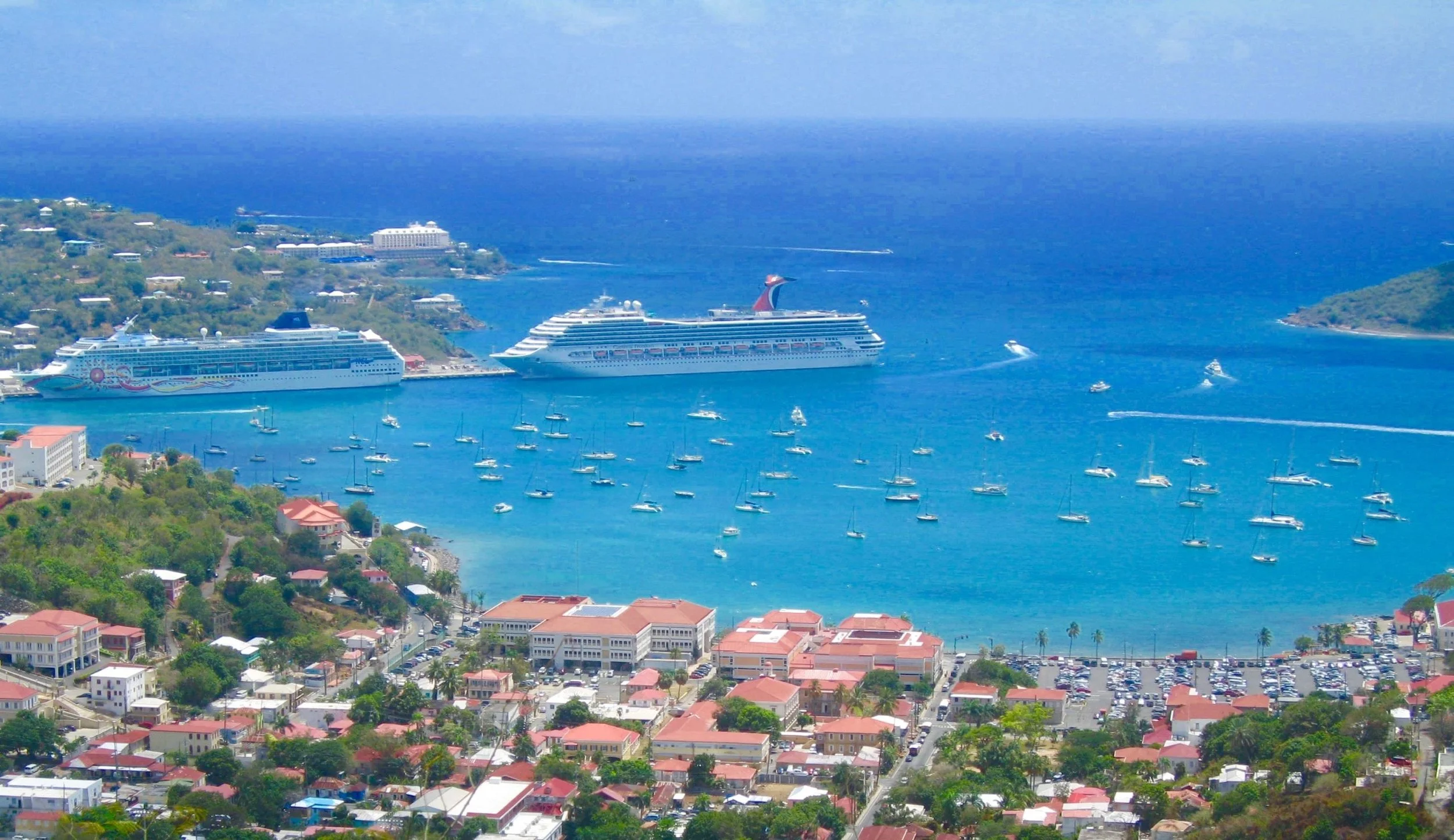
Unstoppable cruise boom in Puerto Plata: it will receive 21 vessels this month

Puerto Plata.- In the month of October, Puerto Plata, a popular tourist destination, is set to welcome a total of 21 cruise ships, underscoring its status as an attractive and internationally acclaimed place to visit.

Out of these 21 cruise ships, 12 are scheduled to dock at the port of Amber Cove, while the remaining nine will arrive at the port of Taino Bay.

Atahualpa Paulino, the northern regional director of tourism, expressed pride in the province’s ability to maintain high standards of safety and sustainability. He emphasized that the goal is to ensure that both tourists and the local community can enjoy the benefits of tourism without compromising the natural and cultural environment.

Paulino noted that this influx of cruise ships not only showcases the province’s natural beauty and cultural richness but also demonstrates its capacity to consistently attract tourists and vessels throughout the year. Puerto Plata continues to be a destination of choice for travelers seeking a vibrant and enjoyable experience.

Climate change impacts coffee production in the Dominican Republic

Santo Domingo.- 44 years ago, Hurricane David wreaked havoc on the Dominican Republic, with wind speeds exceeding 240 kilometers per hour and causing losses of over US$1 billion across various sectors, particularly agriculture. Nearly two decades later, in 1998, Hurricane George caused damages of over RD$1 billion in the agricultural sector alone.

One of the significant casualties of these devastating storms was the coffee industry. Hurricane David and Hurricane George inflicted severe damage on the coffee sector, particularly in the area of Cambita Garabitos, located in the San Cristóbal province. This region had been a vital coffee production area, but the economic conditions of the producers and the impact of these meteorological events led to a shift away from coffee cultivation, with a focus on avocados instead.

Cambita Garabitos, recognized by the Ministry of Agriculture as the leading avocado producer, had previously been known for its coffee production. However, the effects of climate change have forced coffee plantations to higher elevations. In the Dominican Republic, coffee is now primarily grown at altitudes of at least 800 meters above sea level.

Manuel Pozo Perelló, the president of Industrias Banilejas (Induban), explained that coffee cultivation at lower elevations, around 500 meters, requires substantial investment in water and fertilizers but remains unprofitable. Therefore, coffee producers have shifted their efforts to higher altitudes where the conditions are more suitable.

This shift in coffee cultivation due to climate change is not unique to the Dominican Republic. Countries like Colombia have also experienced similar challenges. Some producers in these countries are now cultivating coffee at exceptionally high altitudes, even up to 2,500 meters above sea level.

Induban has adjusted to these changing conditions by operating coffee farms at elevations of up to 1,600 meters, with different varieties of coffee seeds suited to specific altitudes.

In terms of coffee production, the harvest for 2021-2022 was reported to be 243,978 quintals, but this year, it is projected to reach 172,000 quintals. In Cambita Garabitos alone, which is part of the southeast regional management of the Dominican Coffee Council (Codocafé – OFEC Cambita), there were once 33,047 tasks cultivated by 817 producers, including Mana (Yaguate) and La Celestina.

Within the municipality, there were 21,249 tasks cultivated by 579 registered producers across seven areas, each with its Coffee Development Agent (ADC). Financial support for coffee producers is coordinated by the Dominican Coffee Council (Codocafe) in partnership with the Agricultural Bank of the Dominican Republic.

Urban planners and builders advocate for sustainable housing designs

Santo Domingo.- In a discussion titled “Sustainable Development, Architecture, and Urbanism,” organized by the Association of Housing Developers and Builders of Cibao (Aprocovici), experts emphasized the crucial role of designing and constructing with a collective mindset to promote sustainability.

The event brought together architects from different generations, featuring prominent panelists such as Otniel De Moya, Gustavo Valdez, Alejandro Frías, Carlos Encarnación, and Elia Briceño. Notably, Banco Popular and Cementos Cibao were the primary sponsors of this gathering, where key topics included responsible land use, preservation of water resources, and addressing climate concerns.

The discussion also highlighted the responsible utilization of natural resources in the creation of livable spaces, as well as designing cities that cater to the needs of present generations without compromising the rights of future ones.

Otniel De Moya, an architecture professor at Utesa and Pucmm universities, emphasized that true sustainability comes from designing with collective benefits in mind.

Gustavo Valdez, an architect with over 23 years of professional experience, stressed that “urban land is a finite resource.” He discussed the characteristics of polycentric cities and the increasing urbanization of agricultural lands within the country.

Alejandro Frías and Carlos Encarnación showcased exemplary architectural designs, open spaces, and social housing solutions for those with limited economic resources. Their work exemplified a commitment to functionality and essence in architecture.

Sandy Rodríguez, Vice President of Aprocovici, underscored the discussion’s mission to provide professional updates, explore diverse perspectives, and foster a sense of community within the sector. He emphasized the significant contribution of Santiago to the country’s Gross Domestic Product and called upon both private and public entities involved in real estate development to promote sustainability in their endeavors.

Other notable speakers included Alejandro Frías and Carlos Encarnación, graduates of the UASD, who are part of the firm Oblique Arquitectura Integral, known for prioritizing essence and functionality in their designs. Elia Briceño, representing the Bricket Group, was also present, advocating for improving the quality of life through sustainable development solutions. Otniel De Moya, known for his work on the bank of the Yaque del Norte River and his advisory role at the Garden Botanist of Santiago, added valuable insights to the discussion.

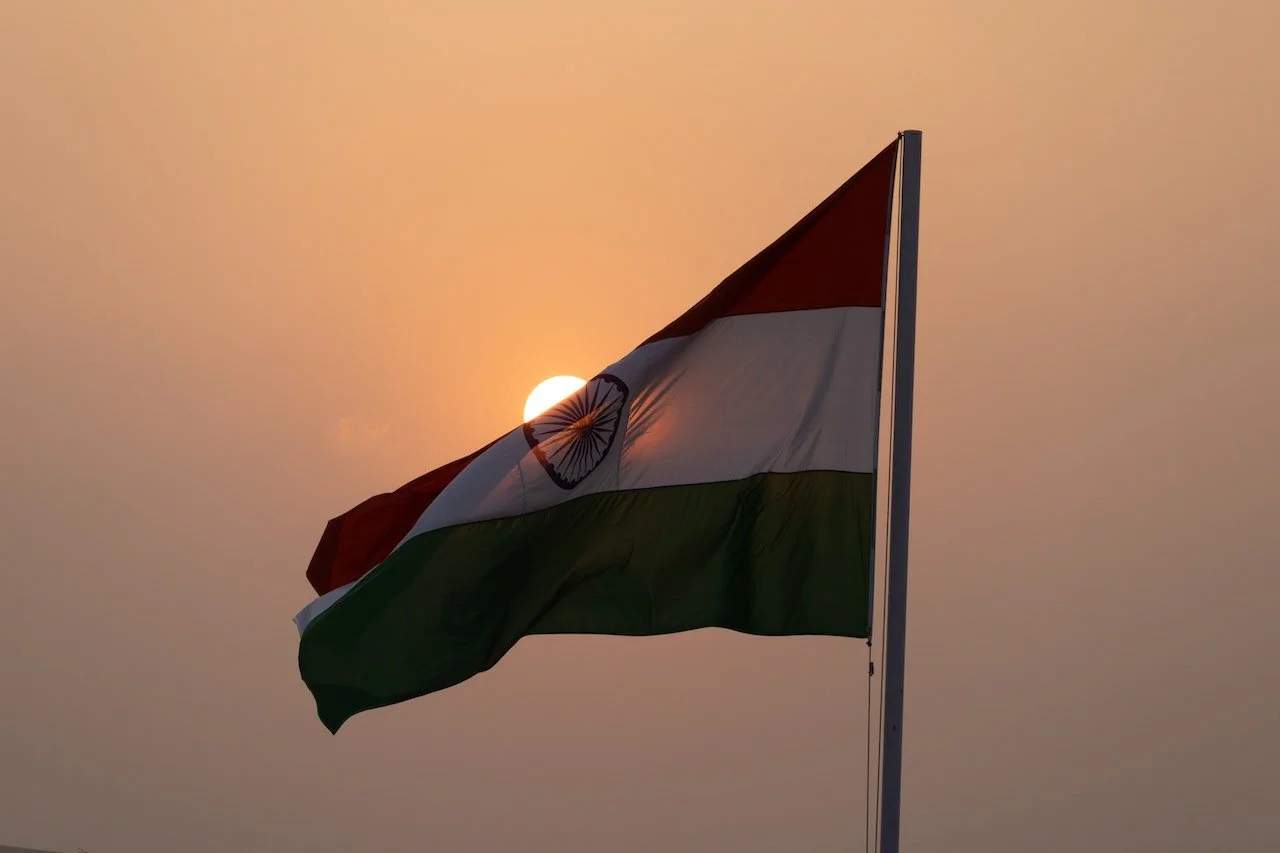
Vice President of the Dominican Republic goes to India on an official mission

Santo Domingo.- The Vice President of the Dominican Republic, Raquel Peña, will be embarking on an official visit to India from Tuesday, October 3, to Thursday, October 5, in response to an invitation from the Indian Government. During her visit, she will hold meetings with high-ranking officials from the Indian government, representatives from various institutions, and Indian business leaders.

The key objectives of her visit include strengthening bilateral relations between the Dominican Republic and India and discussing matters of mutual interest. Peña is scheduled to meet with the President of India, Droupadi Murmu, and the Vice President, Shri Jagdeep Dhankhar. She will also visit the new parliament, where she will have an audience with the President of the Lower House (Lok Sabha) and the Minister of Foreign Affairs of India, Subrahmanyam Jaishankar, who visited the Dominican Republic in April for an official visit, meeting with senior Dominican officials and attending the inauguration of India’s Embassy in the country.

Additionally, the vice president plans to meet with Indian business leaders and deliver a lecture at the International Council on Global Affairs (ICWA). She will also visit the Indian Institute of Technology in Delhi.

This visit aims to further strengthen the ties between India and the Dominican Republic, facilitating the development of new projects and agreements that will benefit both nations.

The Dominican Republic shares democratic institutions, adherence to the rule of law, solidarity, and respect for the principles of the United Nations Charter and international law with India, forming the basis of their bilateral relationship.

During her visit to Spain, Raquel Peña will participate in the celebration of Hispanic Heritage Week, with the Dominican Republic as the guest of honor. She will also engage in meetings as part of the Investment Promotion Cabinet and meet with various prominent figures in Spain.

Destination City Cap Cana celebrates World Tourism Day with the Tourism and Sustainability discussion

Cap Cana.- The Destination City Cap Cana organized a discussion titled “Tourism and Sustainability” in commemoration of World Tourism Day. The event aimed to emphasize green investments, aligning with the World Tourism Organization’s dedication to sustainability on this occasion.

Jorge Subero Medina emphasized the convergence of two essential aspects for visionary tourist destinations: diversified tourism and sustainable tourism. He noted the need for the private business sector to adapt to new challenges, including international regulations, data collection, analysis, and a shift in culture and business models.

During the event, a panel discussed hospitality and diversified tourism with a responsible approach in Cap Cana. Representatives from hotels and various activities in the destination highlighted Cap Cana as the best destination in the Dominican Republic and shared their sustainable practices.

Another panel explored the development of a city committed to sustainability, showcasing the measures taken since the city’s inception to ensure responsible growth and environmental conservation.

The event brought together media, developers, hotel executives, Cap Cana representatives, and tourism stakeholders to share knowledge and promote sustainability in the sector.

Air Century expands: will offer 200,000 seats to and from Punta Cana

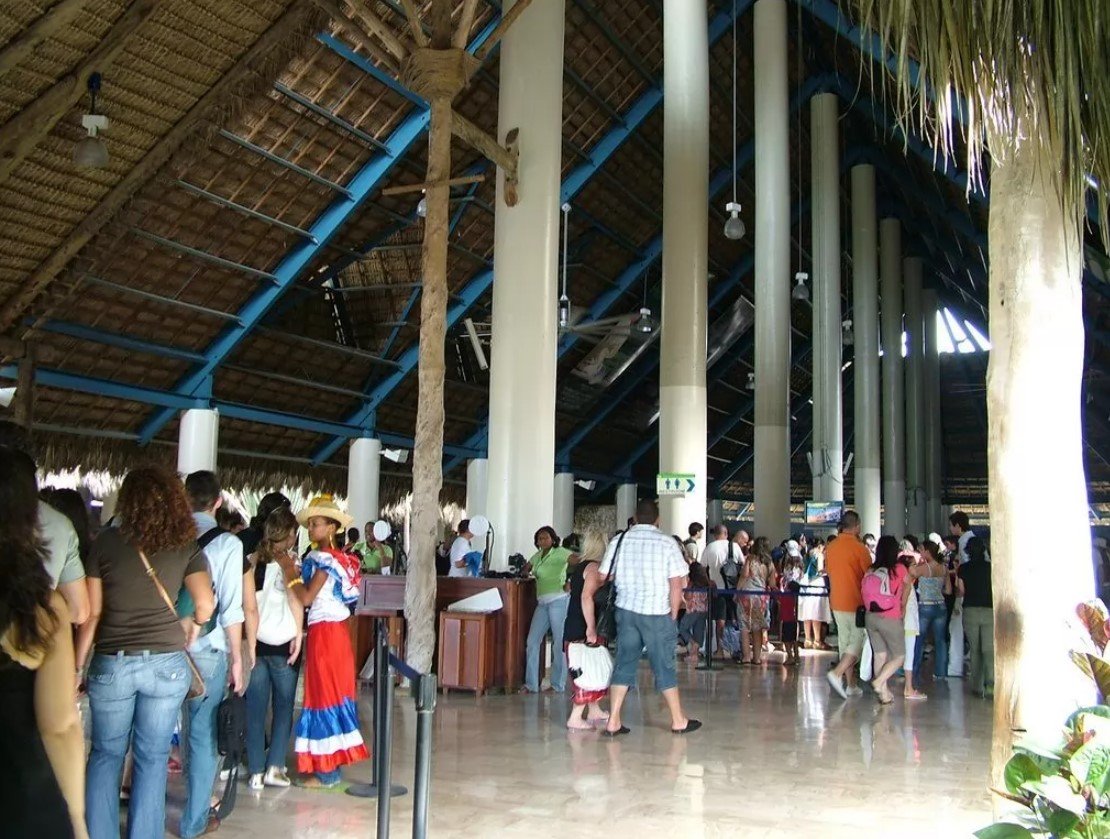
In a strategic move that will further strengthen its leadership in the Caribbean, Dominican airline Air Century announced the expansion of its route network from Punta Cana International Airport, marking a milestone in connectivity and access to new destinations starting December 15 from the DR’s most significant tourist hub.

The destinations to be added in the first stage to the Air Century network from Punta Cana include Aruba, St. Marteen, Havana, Cartagena, and Curacao. These routes, operated on modern CRJ200 aircraft, promise to provide travelers with a warm and efficient experience, highlighting the airline’s focus on offering world-class service.

Therefore, Omar Chahin, president of Air Century, indicated that “these operations, added to those of the second stage, will add more than 200,000 seats to the offer to and from Punta Cana”.

“Today this growth brings us to the airport with the highest traffic on the island, the Punta Cana International Airport, from where we will initiate an expansion plan that aims to provide sufficient regional connectivity, allowing the inhabitants of the Caribbean and its visitors to travel quickly and efficiently, always leveraging the sustainability that delivers the Origin-Destination traffic of this tropical paradise,” he said.

He explained that “in its first stage, which starts on December 15 of this year, we will have flights to Aruba, Cartagena, Curacao, Havana, San Martin and San Juan, allowing the interconnection of these cities, encouraging multi-destination tourism and supporting the growth of tourism in our country”.

“The airline plans to expand its routes in the near future, for travelers to enjoy, explore and connect”, he added.

The executive added, “by early 2025, we will already have more than 10 destinations served from the region’s main tourist hub.”

He said, “with this expansion from Punta Cana, Air Century reaffirms its commitment to tourism and air connectivity in the country. Flight reservations are already available on the airline’s website”.

Giovanni Rainieri, director of Airside operations at Punta Cana International Airport, said that “this route expansion represents a significant milestone for both Air Century and Punta Cana International Airport, and underscores the commitment of both parties to offer passengers broader and more convenient travel options.”

He further stated that “it strengthens the airport’s position as an important hub in the Caribbean region. We are delighted to celebrate this expansion together with Air Century. This initiative not only increases connectivity in the region, but also gives travelers more options to explore these exciting destinations.”

The announcement of the new routes from Punta Cana, along with the already renowned Caribbean HUB at Santo Domingo’s La Isabela Airport, reinforces Air Century’s commitment to provide the thousands of tourists visiting from these Caribbean islands and fellow Dominicans residing there with better connections and competitive fares that include taxes and fees, as well as in-flight service at no additional cost.

The baggage allowance will allow passengers to travel comfortably, with 23 kg of checked baggage and 8 kg of carry-on luggage.

Dominican Republic reaches historic record of 7.6 million tourists through September

The Minister of Tourism, David Collado, announced the arrival of 7.6 million tourists in the first nine months of the year—a figure which, he assures, is the highest in the history of Dominican tourism.

He revealed that 2023 has achieved what has never been seen before. He assured that this sector represents an essential pillar of the national economy, contributing more than 7,000 million dollars.

He acknowledged the need for more significant investment in security in the country’s tourist areas.

The official also informed that they will have received more Canadian visitors by the end of this year than ever before. And that more than one million tourists have been obtained from Canada.

Collado gave a brief account of his three-year term as head of the Ministry of Tourism (Mitur), highlighting the successful recovery of the industry after the pandemic.

Air Century expansion: six new air routes from Punta Cana airport

Punta Cana.- Air Century, the Dominican airline, has unveiled plans to open six new air routes connecting the Dominican Republic with various destinations. These new routes will operate from the Punta Cana International Airport and are set to begin service on December 15th.

The routes will connect the Dominican Republic with Havana, San Martín, Aruba, Cartagena, Curacao, and Puerto Rico. Air Century’s CEO, Omar Chahín, explained that this expansion aims to provide more than 200,000 seats for tourists from these destinations. The airline’s goal is to enhance its regional connectivity.

In addition to these new routes, Air Century plans to introduce more destinations and expand its operations. Chahín mentioned that the airline intends to include direct routes to cities like Miami, New York, and Cancun in the future. To facilitate this expansion, Air Century will acquire two new CRJ 700 aircraft by the end of November and two Airbus A320 aircraft expected in the summer of 2024.

These new routes are expected to boost connectivity for passengers traveling from the Caribbean to North America and Europe. The Punta Cana International Airport, a key hub for tourism, aims to attract over 9 million tourists from 32 countries and 79 cities by the end of 2023.

The expansion of air routes and connectivity is significant for the Dominican Republic’s tourism industry, attracting more visitors and stimulating economic growth.

The four challenges that Dominican tourism must overcome, according to David Collado

Santo Domingo.- The Minister of Tourism, David Collado, identified four main challenges facing Dominican tourism for continued consolidation in the Latin American and Caribbean region. These challenges are infrastructure, security, investments, and air connectivity.

  1. Infrastructure: Collado emphasized the need to improve infrastructure to enhance the quality of tourism offerings. He mentioned road improvements in tourist areas such as Verón-Punta Cana and similar work in Las Terrenas and Bayahíbe. Additionally, renovation and construction of jetties in Santo Domingo Este and La Romana are underway to facilitate tourism.

  2. Security: Collado highlighted the importance of reinforcing security in tourist spots. He proposed the creation of a Business Brigade of the Tourist Police, involving the private sector in investing in equipment and resources for enhanced security. The Ministry of Tourism has already allocated funds for equipment and technological tools to address security issues, including those related to sexual tourism.

  3.  Investments: The minister stressed the need to attract more investments to increase the country’s hotel capacity. He mentioned the significant investments made in the Dominican Republic, including projects by international hotel chains such as W Hotels and Ritz-Carlton. Collado acknowledged the contributions of commercial banks and pension fund administrators in developing tourism projects.

  4.  Air Connectivity: Collado recognized the importance of expanding air routes to make travel to the Dominican Republic more competitive in terms of convenience and prices. He mentioned the efforts of low-cost airline Arajet in opening new air routes in South America to enhance connectivity.

World Tourism Day found the Dominican Republic in a privileged position, with tourism contributing significantly to the economy in terms of taxes and purchases.

During the World Tourism Day event, the Ministry of Tourism recognized the contributions of various individuals, companies, and institutions to the promotion and positioning of the Dominican Republic as a Caribbean destination. This included acknowledging figures in the tourism industry who have played a pivotal role in its development and growth.

The challenges and initiatives outlined by Minister David Collado reflect the government’s commitment to further develop and strengthen the tourism sector in the Dominican Republic.

Mitur clarifies Dominican tourism is not at risk due to the situation at the border

Santo Domingo.- The ongoing conflict between the Dominican Republic and Haiti regarding the construction of an irrigation canal on the Dajabón River has not had a significant impact on tourism in the Dominican Republic. This statement was made by David Collado, the Minister of Tourism.

To enhance security and surveillance in various tourist areas across the country, Minister Collado announced that new measures would be implemented within the tourist police.

On World Tourism Day, celebrated on September 27th, the Minister of Tourism highlighted the number of foreign tourists who have entered the country by both air and sea.

Furthermore, the government has taken steps to improve various beaches to ensure a pleasant experience for visitors. These efforts are aimed at maintaining and enhancing the tourism industry in the Dominican Republic.

The United States receives first containers of coconut water from the Dominican Republic

Santo Domingo.- The first two containers filled with water coconuts from the Dominican Republic have successfully arrived in the United States. This significant achievement is the result of collaborative efforts between the Dominican government and various companies, marking a milestone in the export of coconut products to the US.

Engineer Rosa Lazala, the Director of Plant Health at the Ministry of Agriculture, confirmed this development and expressed appreciation for the government’s support of agribusiness and export promotion. This accomplishment reflects the commitment to ensuring the safety of local products for international markets.

In the Dominican Republic, coconut cultivation occupies approximately 44,344 hectares of land, while avocado cultivation covers around 111,812 hectares, based on 2022 statistics. The successful export of water coconuts to the US demonstrates the country’s potential to expand its agricultural exports and access new markets.