Inverotel: it is urgent to regulate vacation rental platforms in the DR

The Association of Spanish Investors in Caribbean Tourism (Inverotel) is pleased and satisfied with the figures demonstrating the strength and growth of the Dominican Republic’s tourism sector. Still, because not everything is “rosy,” the entity believes that there is a critical point to work on: the regulation of vacation rentals through digital platforms. In this regard, Ramón Roselló, executive director of Inverotel, told arecoa.com that the country’s digital vacation rental platforms are rapidly expanding and that it is critical to regulating this niche.

“It will be a problem for the country if we do not regulate it, and we will have to play with the same cards.” He stated that the association promotes and supports the disposition in which they work with the government, via the Ministry of Tourism (Mitur) and the Association of Hotels and Tourism (Asonahores), to ensure that the regulation mentioned above is carried out. “Unlike digital platforms, we believe it would be a big mistake for all players in the sector to play under the same conditions,” says Inverotel. “Today, everything related to digital tourism rental does not compete in the same way that hotels do “, he emphasized.

Rosselló also stated that, while the situation does not currently jeopardize Inverotel’s investment commitment in the country, it is only fair that identical conditions be applied. It should be noted that the government has begun a process of regulating the technological platforms that facilitate the offer of real estate for short-term rental accommodation to tourists and individuals in the country, such as the Airbnb model, which monopolizes 95% of the negotiations and is being evaluated beginning in August of this year 2022. The first measure was the publication of a draft of the mechanism that the government will use to regulate and tax operations by the General Directorate of Internal Taxes (DGII).

Although no further details are available, Mitur has expressed an interest in regulating the aforementioned line of accommodation, citing unfair competition as a result of the fiscal non-compliance that hotels must assume.

Dominican Jazz Festival: An event for the whole family

In celebration of the twenty-fourth iteration of the Dominican Republic Jazz Festival, which the Fedujazz Foundation organized, Cabarete Beach served as the venue for hundreds of people to enjoy good music offered by the great jazz and other genres for two nights. The first concert began with a duet by Haitian brothers Joel and Mushy Widmaier, who performed songs such as “Amelie,” “Kote moun yo,” “San mele,” “Ayizan,” “Malouk,” “Sodo,” and “Maskawon,” taking a tour of various sounds and delivering musical fusions typical of their culture. To cap off the first night’s performance, keyboardist Rafelito Mirabal and his Sistema Temperado orchestra performed with the Dominicans, the winner of a Latin Grammy, the Puerto Rican flutist Nestor Torres, where each musician demonstrated his skill and prodigious handling of his instrument with spectacular solos, eliciting applause from all in attendance.

The artists performed musical pieces such as “Sextentidos,” “Cuban Coffee,” “Biscayne,” “Give me the chair where I waited for you,” “Samba Study,” “Flash of Eternity,” and “El Dorado” for their audience. The enveloping and romantic sound of Nestor Torres’ flute announced the arrival of the song “Alfonsina y el Mar,” which was met with applause and then dismissed. They also entertained everyone with “El Cadete e’ un tiguere,” “Passion Fruit,” and “Tambora.”

The “Life and Color” workshop was held, directed by brush artist Adolfo Faringthon, in which ambassadors from various countries, donors, and special guests painted to the rhythm of the music. In contrast, others attended the different jams that were made with amateurs or professionals participating.

The free event, which has been officially sponsored by the Dominican Ministry of Tourism for more than 20 years, is held to raise funds to provide a piano, drums, saxophone, guitar, bass, violin, cello classes, and other instruments to underprivileged children in Puerto Plata via the non-profit foundation Fedujazz, chaired by Maria Elena Gratereaux.

For information or donations, contact 809 972 3343, or email festival@fedujazz.org

Website: www.drjazzfestival.com

Social networks: @drjazzfestival

Expert believes that hotel supply needs to be expanded

Bayahibe, La Romana, DR
The volume of tourists who visit this portion of land grows like foam and challenges the Dominican Republic to increase its hotel offer in the face of the increase in demand.

The director of Economic studies of the Ministry of Tourism (Mitur), Enrique Penson, informed yesterday to Listín Diario that its tourist positioning in the region put the country on the radar of the world as leading the sector in occupation and preferred destination after the pandemic.

Penson commented that around 30,000 more hotel rooms are needed, starting in a decade, to take the demand of tourists.

“We have so many tourists that if we do not expand the hotel supply in about two years there will be nowhere to put them,” said the manager on the occasion of the Caribbean Hotel Investment Conference & Operations Summit (CHICOS) being held in the Dominican Republic, with the participation of 300 foreign investors, hotel developers, industry suppliers and managers of hotels in the country and others in the region.

Penson said that the participating investors are part of the leading hotel chains in the world, and many of them have already approached Mitur’s board, interested in doing business related to more boutique hotels and 1,000-key hotels in this nation.

This would translate into more remodeling, expansion, and construction of hotels.

Likewise, these investors in the forum highlighted the local tourism maturity, whose indicators are in green compared to other Caribbean countries.

Penson indicated that another of the neuralgic attractions to do this type of business is the law for promoting tourism investment.

This group of negotiators comes mainly from the United States, Mexico, Spain, and India, among others.

According to information, it is estimated that total investment in the hotel industry exceeds US$15,000 million.

In addition, 54% of hotel investment is of foreign origin, 15% of local investment, and 31% of the mixed investment.

Investment Conference

The CHICOS conference was held at the Hilton Hotel, La Romana, on Thursday and Friday, where more than 300 investors and hotel operators from around the world, as well as the leading tourism authorities of the Caribbean, gathered. This meeting aims to explore the challenges, winning strategies, and opportunities in the tourism sector, under the theme “Resilience, creating opportunities from challenges.” The conference seeks to look to the future and create a space to promote and attract new regional investments.

Likewise, this conference will focus on encouraging tourism investment in the Dominican Republic and the Caribbean, where opportunities, incentives, and the sector’s future will be worked on together.

The conference’s inauguration was attended by the President of the Republic, Luis Abinader, the Minister of Tourism, David Collado, and officials and people in business of the sector.

During the activity, the President affirmed that the Dominican Republic plays a crucial role in this market, “in which we are at the head of all countries worldwide, leading the recovery, investment and flow of tourists.”

Meanwhile, the Minister of Tourism, David Collado, said that “the great challenge for tourism now is to build more rooms to meet the demand for growth in the sector,” said Minister Collado in his speech at the opening of the CHICOS conference.

The Caribbean region, in addition to being one of the most important recipients of beach tourism, has shown the best performance in tourism recovery since the post-pandemic opening process.

The Dominican Republic leads both foreign investment and tourist flows. Recently the tourism intelligence firm Forwardkeys published its report the most visited destinations in 2022, using data on flights made, bookings, and air capacity.

Guys

Home

During the opening of CHICOS, Tourism Minister David Collado highlighted the importance of this conference in attracting more investment to the tourism sector.

Collado expressed that investment in the industry has been such that from October 2020 to the same month of 2022 has registered investments exceeding US$6.4 billion for the construction of 4,800 rooms.

Puerto Plata: Between books, sea and music

With the participation of thousands of visitors and attendance at the various cultural and artistic activities, the Festival of Books and Culture – Puerto Plata 2022 is taking place in this city.

The event, organized by the Ministry of Culture (MINC), was inaugurated Thursday night by the Minister of Culture, Milagros Germán, at the Rafael Solano Auditorium of the UASD, where guests and the public enjoyed the presentation of Yucahú. This Puerto Plata group revives our rhythmic heritage with its contagious musical mixes.

This festival is part of the Ministry of Culture’s policies to decentralize cultural action, strengthen creative industries and promote cultural tourism in the national territory.

The program includes plastic arts exhibitions in honor of artist and curator Danilo de los Santos, as well as a poetry writing workshop given by special guest Mexican writer Mario Bojórquez.

Likewise, there will be book exchange and sale activities and drama, painting, origami, and music workshops, among others.

The event also features dramatized readings, musical and theatrical presentations, a colloquium, and storytelling.

Yesterday, Friday was dedicated to maestro Rafael Solano, a true icon of Puerto Plata, who was the object of a tribute. In addition, the award-winning author of “Por amor” shared with the public a “Close Encounter of the Musical Kind.”

Also, yesterday at 4:00 in the afternoon, in Central Park, those present enjoyed the presentation of the Symphonic Orchestra of La Vega.

The closing of yesterday’s artistic activities on the same stage at 8:00 p.m. featured the musical joy of the group “Concón Quema’o” from San Francisco de Macorís, which fuses the rhythms of palo, rock, punk, merengue, and more.

From Saturday, the cultural event paid tribute to the journalist, writer, and jurist Carmen Imbert Brugal, in a meeting scheduled that kicked off at 9:00 a.m. in the Central Park of Puerto Plata.

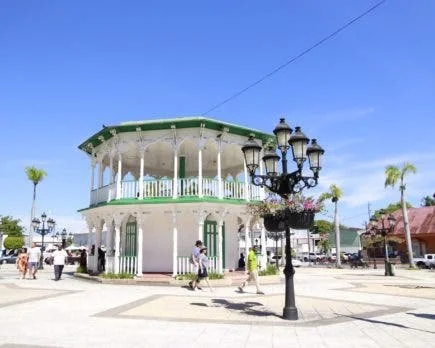
An hour later, in the pavilion of the same park, there was a “Marathon of very brief and less brief poetry,” with the participation of poets from Puerto Plata and visitors.

The last artistic activities on Saturday in the Central Park were: at the 8:00 p.m. concert of the Puerto Plata saxophonist Carlos Estrada and the 9:00 p.m. “Poetas pal’ colmado.”

Closing on Sunday
And today, Sunday, to bid farewell to the three-day cultural event, at 7:00 p.m., after the closing ceremony of the festival, in charge of the director of the Book Fairs and the mayor of Puerto Plata, those present will be able to enjoy the music of the National Police Band.

Film industry continues to rise in DR with 25 productions currently being filmed

Film and audiovisual projects, aside from their commercial value, contribute to a nation’s sense of cultural identity. In the Dominican Republic, the film industry is expanding steadily, providing a platform for both domestic and foreign commercial productions as well as independent and artistic films. According to data from the General Directorate of Cinema (DGCINE) that has been updated through November 2, 2022, there are currently about 20 films in various stages of production in the Dominican Republic, some of which are animated movies and some of which are of international origin.

The results of a strong industry include five animated film productions currently in development and 20 national and international productions in pre-production and production, thanks to the industry’s foundational elements of human capital, institutions, infrastructure, and locations. Our current course has been made possible by the public and private sectors cooperating around these pillars. The dedication and assistance of President Luis Abinader has been essential to the growth of the sector. Marianna Vargas Gurilieva, general director of the General Directorate of Cinema (DGCINE), congratulated the winners.

Each of these productions offers a wealth of chances to continue showcasing the country’s viability as a workable option for filming foreign productions, as well as to continue cultivating the local talent who works in front of and behind the camera and to ensure the industry’s continued growth.

Tourism gathers investors in Bayahibe forum

Around 300 foreign investors attended the Caribbean Hotel Investment Conference & Operations Summit (CHICOS) in the Dominican Republic yesterday. This group of hotel developers, industry suppliers, and managers of hotels in the country and elsewhere in the region were able to appreciate the positioning of local tourism following the pandemic. According to what they refer to, it was highlighted in the congress that this nation not only leads the region due to a high volume of tourists and hotel occupancy but also in the monetary income generated in this sector, which allows hiring personnel and ensuring the flow of foreign investment. 

Enrique Penson, the director of economic studies at the Ministry of Tourism (Mitur), stated that hotel investment in the country should be increased in light of the increased demand for hotels. “Part of the task that the Ministry of Tourism had in bringing this conference to the country was to ensure an increase in investment because we’re talking about investors from the world’s largest hotel chains,” Penson explained. The person in charge stated that many procedures have been streamlined to facilitate the investment process and that interested parties can easily access data related to the sector.

Penson mentioned that one of the neuralgic attractions to doing this type of business is the tourism investment law. “The Dominican Republic is doing very well, which contrasts with the region, which is unfortunate,” he said. “However, when investors analyze the country, they feel confident, because we have all the indicators in the green.”

Bill seeks free access to beaches in the Dominican Republic

They introduced a bill in the Chamber of Deputies to establish the legal framework for free access, use, and enjoyment of the existing beaches, coasts, and riverbanks throughout the national territory and its adjacent islands. The initiative, spearheaded by Perremeist deputy Eugenio Cedeno, was submitted on November 8. The piece states in its second article that all people, whether citizens or not, have the right to free access and enjoyment of beaches, coasts, and riverbanks, and that no one can deny that right by claiming ownership of any property.

Eugenio Cedeo stated in his explanation that the 2010 Constitution adopted a proposal on free beach access that he has been fighting for since 2005. He stated that there is currently a barrier to tourism and hotel development in areas where there are beaches in the country because only the owner of the land in front of them can use them, while all the land adjacent to that beach is devalued. They must also be sold “at the price that the owner of the strip in front of the coastal strip wishes to pay.”

Concerning the distance between the beach and the hotel buildings, he assured that the 60-meter maritime strip is unlikely to be the property of anyone. According to Cedeno, violations of the regulations can result in up to three months in prison.

Vice-President: “Government has proposed to revitalize tourism in the Northern region”

Vice President Raquel Peña said that the government has proposed revitalizing tourism in Puerto Plata and throughout Cibao through the “Master Plan for Tourism and Economic Development” of the northern region, which includes the execution of more than 40 projects.

She said that in addition to potentiating the development of the northern region, the main goal is to improve citizens’ quality of life.

Peña stressed that the Northern region during the year 2021 received 22% of foreign investment, which is equivalent to a total of 707 million dollars, mainly in the tourism and free zone sectors.

“The investments will contribute to the country’s economic growth,” she added.

The vice president explained to Listín Diario that from 2020 to date, the government had invested a total of RD $ 3,776 million pesos for infrastructure projects, construction, and adaptation of aqueducts, schools, housing, roads, bridges, hospitals, ports, and works of the electricity sector.

“Only for 2022 the public investment programmed for the province of Puerto Plata is 879 million 998 thousand 368 pesos. 25% of these resources have been allocated to the construction and rehabilitation of educational facilities and 15% to the improvement of road infrastructure throughout the province,” Peña said.

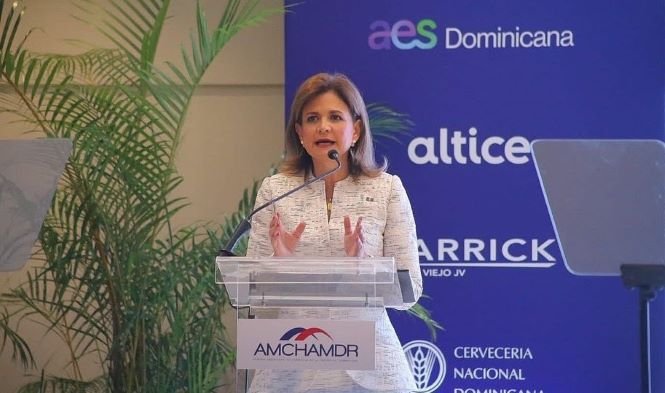
The vice president took the opportunity to highlight the work of the American Chamber of Commerce and its commitment to promoting the conditions that favor the commercial relationship between the Dominican Republic and the United States.

She further noted that total exports attributable to the region stood at 2,481 million dollars in 2021, 19.9% of the total registered at the national level, which represented a 20.2% growth compared to 2020, thanks to the work of free zones, in particular to tobacco manufacturing and, also, by the performance of the mining sector.

During the presentation entitled “The northern region: a winning bet in terms of investment,” Peña emphasized that the northern zone has approximately 30% of the country’s hotel occupancy and that 20.7% of the tourists who were received nationally in 2021 arrived through the airports geographically located in that region, figures higher than the levels prior to the pandemic, according to the president of the Investment Promotion Cabinet.

Similarly, she said that the structure of ports in the area would increase the facilities for the expansion of tourism to such an extent that in 2021 69.3% of passenger arrivals by ports nationwide were concentrated in the northern region, surpassing even the figures of 2019.

The official indicated that the protagonist of this growth had been the Amber Cove port of Puerto Plata and the inauguration in December 2021 of the Taino Bay terminal in the same province, which translates into more than 500 thousand additional cruise passengers in the first nine months of 2022 compared to the same period of 2021, representing these ports 75.7% of the total received.

During the meeting, the president of the Provincial Committee of Puerto Plata of AMCHAMDR, Román Medina, stressed the continuous growth of the province in recent years.

“We are standard-bearers of the most powerful alliance a country can have: the public-private one,” Roman said. “Today we can say with confidence that the positioning of Puerto Plata, and repositioning after the pandemic, as a tourist and commercial axis in the Caribbean is the result of the combined work of these public-private partnerships,” he concluded.

They see a key regulatory framework to promote real estate tourism in the DR

According to Alberto Bogaert, president of the Association of Real Estate Agents and Companies (AIE), real estate agents lack a regulatory framework for the growth of their operations, which is in opposition to the distinct importance that construction and the purchase and sale of real estate have in the economy. In that regard, he regretted that the National Congress had permitted several legislative initiatives aimed at regulating a sector whose actors must have a strong ethical commitment. Bogaert stated when making the proposals that the importance of legal regulation is that it strengthens legal certainty in a sector that moves billions of pesos.

“Regulation has been the association’s goal since its inception in 1989. To formalize the sector, one of two things are required: a presidential decree or a law passed by Congress,” he added. Furthermore, he stated that “currently, a draft law has been submitted, it is in the study phase, and it is called the Law for the Formalization of Real Estate Brokerage and Contracts, which has been deposited for six months.” We have already gone to Congress and made the necessary observations, but that is the extent of our progress.” Other legislative initiatives, according to the real estate expert, have lost the interest of congressmen and thus have died along the way.

“Right now, there is a lot of interest in the project because things have changed, and the interests that existed ten years ago are not those that exist today,” he told stated. Bogaert stated that the entity he chairs is managed according to an ethical code, attempting to protect the investments of those who entrust the process of acquiring and selling residential and commercial real estate to him. “Here, we seek training, honesty, and ethics; we have an ethics code and we work by it, and we are a guarantee for clients who request our services and for people who want to enter the sector as agents,” he stressed. He stated that the lack of regulation means that certain foreign investors are hesitant to make real estate purchases in the country and that the aforementioned weakness must be addressed.

“There are many investors from other countries who are probably hesitant because they don’t see security in this sense,” he reiterated. “However, if there are guarantees of a formalization of the commercial part of the construction sector, the opinions would be different.”

Economists consider positive the restrictive monetary policy applied by the Central Bank

The Dominican Central Bank (BC) recently decided to raise the policy interest rate monetary policy (TPM) by 25 basis points, moving it from 8.25% to 8.50% annually in October of this year. Economists rated these restrictive monetary measures as “good and valid,” but with “shy” results. The government’s goal is to reduce the nation’s 8.24% annual rate of inflation, which was the final reading. The MPR was generally raised by the Central Bank in 2022, rising from 4.50% in January to 8.50% in November, a 400 basis point increase. The rates for permanent facilities also increased, from 5% to 9% for liquidity expansion and from 4% to 8% for remunerated deposits.

According to Miguel Collado Di Franco, executive vice president of the Regional Center for Sustainable Economic Strategies (CREES), central banks must implement contractionary measures to smooth out cycles when various factors, particularly external ones, have an impact on inflation after applying expansionary measures to provide liquidity to the productive sectors in a pandemic context. Collado continued, “Unwanted effects of inflation have also emerged, which are now being corrected with the monetary contraction,” after “creating the conditions to stimulate the economy in 2020 and 2021.” Since the consumer price index (CPI) showed a downward trend, he maintains that these measures internally contributed. Reduced inflation results in “higher lending rates as well as additional active and passive rates,” the author notes.

Henri Hebrard, an economist, noted that other central banks also took similar actions to reduce inflation in their economies, indicating that these measures were not unique to the Dominican Republic and were, in fact, unavoidable. “The policy has been sound, but I believe the results have been underwhelming. The good news is that they are declining, especially the most significant one at the bottom,” he said. The business consultant emphasized that just because inflation is declining does not automatically translate into rising prices for goods. “People must be made aware that prices are still rising, albeit more slowly. Even though inflation is currently declining, prices are still rising, albeit more slowly. We must not confuse people there,” Hebrard said.

All about medical exam dates for DR residency

The DR has cut waiting times for medical exams for residency purposes. During the height of the COVID Pandemic, waiting times were arguably out of control. However, according to Maria Abreu, CEO and Managing Attorney of Abreu & Associates, a law firm practicing exclusively in Dominican Republic Immigration and Nationality law, the current average waiting time is seven to ten days. Furthermore, you do not need to stay in the country while waiting for the appointment to be scheduled.

The residency application process starts at the DR consulate in the applicant’s country of origin. After going to the consulate and doing the necessary paperwork, the applicant has 60 days to enter the DR and start the next stage of the residency application process.

Upon entry into the country, the applicant or their legal representative has to create a profile on the immigration authority’s digital portal and upload a file. Once immigration completes an internal evaluation and finds everything in order, they will issue approval to proceed with the medical exam. The applicant is notified via the immigration authority’s platform and is expected to attend the medical exam on the given date. At the time of publication, applicants are typically waiting seven to ten days for the exam date to be issued.

Dominican Today spoke to Maria Abreu and asked what happens if the applicant cannot wait in the country for the exam date. Ms. Abreu explained, “When my clients cannot wait because of work commitments, for example, they enter the country, so they get the entry stamp to complete their file and set the process in motion, and then they immediately travel back home.” The immigration lawyer then went on to add, “Once the medical appointment is approved and the date comes up on the system, my clients scheduled to return to the DR.”

Although waiting times have been dramatically cut and currently stand at an average of seven to ten days, it is nonetheless not mandatory to remain in the country while waiting for their medical exam appointment.

___________________

Maria Abreu is the CEO and Managing Attorney of Abreu & Associates, a law firm practicing exclusively in Dominican Republic Immigration and Nationality law. She is also the founder of Retire and Invest DR. This organization hosts conference events for foreigners interested in living, retiring, and investing in the DR. You can contact Maria at: mabreu@abreuimmigration.com.

Tourists generated more than US$7 billion for Dominican Republic

David Collado, the Dominican Republic’s minister of tourism, announced yesterday that 491,788 visitors came to the country in October 2022. Collado noted that more visitors arrived in the nation last month than on the same dates in 2018 and 2019, during the presentation of the customary report on this industry. “We succeeded once more, and what a success it was, with 119,582 more visitors than in 2019”. When presenting the report at a hotel in the National District, Collado stated, “This is the second consecutive October that we have broken records, something truly historic”.

Additionally, he noted that 5,826,078 people entered the nation in the first 10 months of this year, bringing in more than US $ 7 billion. From January to October, the country received the arrival of 5,826,078 travelers by air. Meanwhile, the cruise industry also registered notable growth, with the arrival of 88,178 visitors in the month of October. In this context, he expressed that Amber Cove exceeded the arrival of passengers in October with 49,342, followed by Taino Bay with 26,100 in 11 operations, La Romana Port with 10,589, and Sans Souci Port of Santo Domingo with 2,147 in 13 tourist boat operations. He said that in October alone, the arrival of visitors generated more than $517 million in foreign currency.

“This means that in the first 10 months of this year, the arrival of visitors contributed US$7.2 billion to our economy,” said the official. Likewise, he highlighted that this year will end with the arrival of more than 7,000,000 tourists and revenues that will exceed USD 8 billion. When talking about hotel occupancy and with 90% room availability, he maintained that 64% were registered, obtaining the destinations Romana-Bayahibe (81%), Bávaro-Punta Cana (68%), Samaná (61%), Boca Chica-Juan Dolio (54%), and Greater Santo Domingo (60%). The Vice Minister of Tourism, Jacqueline Mora, reported that 400,357 visitors corresponded to foreigners and 91,430 to Dominicans. She commented that the growth is despite the downward trend in Eastern and Central Europe due to the war between Russia and Ukraine.

Hotels and airports implement protocols for the peak travel period in the DR

The country’s hotels and airports are prepared to close in the final quarter of this year, 2022, with increased traffic for the winter travel season. The tourism industry anticipates an increase in visitors from Canada once that nation lifts the travel restrictions that were in place because of the COVID-19 virus pandemic. According to Rafael Blanco Tejera, president of the National Association of Hotels and Restaurants (Asonahores), Canadian tourism is expanding significantly, and as a result, more travelers are anticipated from that nation, which has been one of the major emitters.

The agreements that the government, Air Canada Vacation, Grupo Sunwing, and Air Transat signed in May as part of a plan to increase Canadian visitor arrivals as tourism began to rebound were highlighted by Blanco Tejera. “Managing direct flights from Canada was important for tourism in general, which has helped the sector,” he added.

In that order, he claimed that significant growth is anticipated because Canadians are more likely to travel during the winter because of the country’s climatic conditions, for which the hotels are already equipped.

Arajet expands: connects 15 destinations in 10 countries

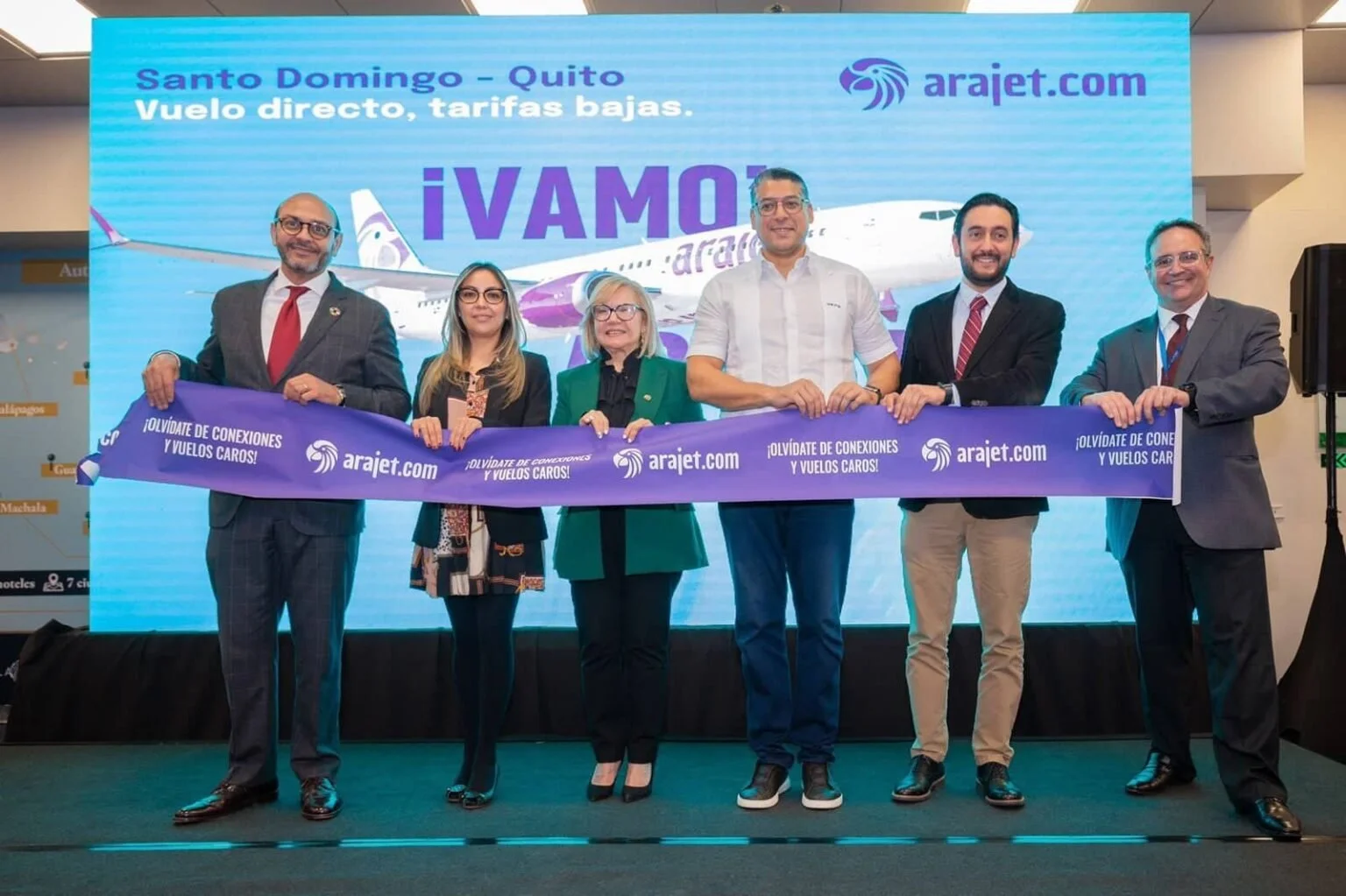
Two new routes from Las Américas International Airport (AILA) to Quito (UIO) and Guayaquil (GYE) have been launched by Arajet. Additionally, he revealed that in just two months, more than 67,000 tickets had been sold, exceeding their projections. In accordance with a statement, the airline is making aviation history by inaugurating service between Santo Domingo and Quito on Mondays and Fridays and between Guayaquil on Thursdays and Saturdays.

With the addition of the two new routes to Quito and Guayaquil in Ecuador, the current route network of Arajet will now connect Santo Domingo with North, Central, and South America as well as the Caribbean. Dominicans will now have new direct flight options with the best services and the lowest market fares. The CEO and founder of Arajet, Victor Pacheco Méndez, stated that “offering the lowest rates to the Dominican public is allowing us to build affordable air travel for our passengers, which has caused an extraordinary response.”

The fact that our sales have surpassed expectations in the first two months is what’s causing Arajet to grow so quickly. “We are already on track to deliver 19 routes connecting Santo Domingo with 11 countries in the Americas in 2022,” he continued.

Over the past 27 months, the peso has appreciated by 8.75% against the dollar

When comparing the price of the US currency in July 2020 with September 2022, the Dominican peso has appreciated by 8.75% (RD$5.0968), while the average exchange rate for sale decreased from RD$58.2693 to RD$53.5243. 27 months have passed throughout this time, and with very few exceptions, the foreign exchange market has only slightly moved in the other direction. Why is the dollar weakening versus the peso at a time when it is strengthening against the euro and other currencies in Latin America? Is this a result of the Central Bank’s stringent monetary policy, or are there other forces at play? Is it a result of the remittance inflow, which is still more than it was before the pandemic? While this is going on, the monetary authorities are increasing the policy rate once more by 25 basis points, bringing it from 8.00% to 8.25% annually.

This increase in the value of the peso relative to the dollar comes after the price of the US currency increased 9.08% in the first half of 2020, rising from an average of RD$53.0417 in January to RD$58.2693 in July, which is equivalent to RD$4.8152 in absolute terms. Since the dollar is currently trading at nearly the same level as it did in January 2020, the peso has gained back the ground it lost during this time. The Dominican peso has appreciated 4.34% in the first five months of this year, or since the price against the greenback rose from RD$57.5240 to RD$55.0592, which may be the time when the peso’s appreciation against the dollar has been felt the most. The dollar’s value versus the peso has decreased by RD$3.28 since May, or 3.11%. The peso has increased 7.45% so far this year, translating to a net loss of RD$4.3083 for the dollar relative to the Dominican peso.

The Central Bank of the Dominican Republic (BCRD) points out that between January and August 2022, remittances received totaled US$6,518.8 million, exceeding the US$1,792.8 million received in the first eight months of 2019, the time frame before the start of the covidio-19 pandemic. This coincides with the Dominican peso’s appreciation against the dollar.

Caribbean Corridor will be constructed by a Dominican-Panamanian consortium

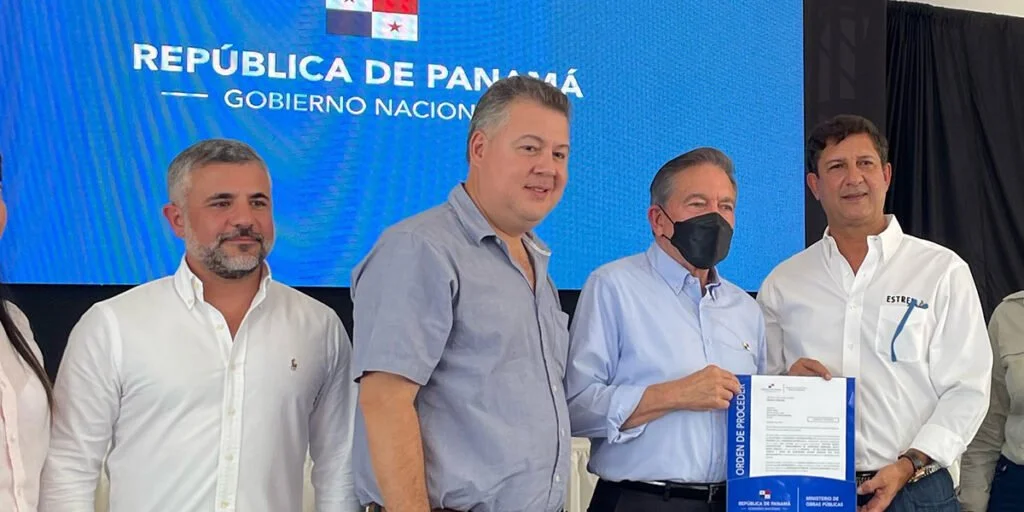
Rafael Sabonge, the minister of public works, and President of Panama, Laurentino Cortizo, gave the Transeq-Estrella Consortium the go-ahead to start building the Caribbean Corridor, which will cost 91 million dollars. The Quebrada Ancha-Maria Chiquita highway, which is 28 kilometers long and will modernize the local road network, will be designed, built, and funded as part of the project.

President Cortizo declared, “We are adding a new road structure to improve land connectivity in the province of Colón with the delivery of the order to proceed for the construction of the Caribbean Corridor Project. The head of the Executive Power emphasized that new opportunities for internal tourism are created with road network optimization, which benefits the most vulnerable population and is always done with the intention of achieving the social development of the nation.

According to President Cortizo, the project will be completed two years after the delivery of the go-ahead order. “This is yet another project undertaken by our administration as part of the government’s economic recovery strategy, always with a view to promoting the welfare and advancement of all Panamanians.”

Elizabeth de León, the first Dominican to lead the US Department of Housing

Elizabeth de León is the second Dominican to serve as the head of a US federal agency and the first to lead the Department of Housing and Urban Economic Development. De León proudly speaks of his roots as he assumes a new role, now nationally, from Washington, D.C .After a successful career as a lawyer in New York City, where she had the opportunity to be the first Latina and Dominican to be Secretary of Labor, Attorney General, Senior Advisor to the President of the City Council, and Assistant Commissioner of the Department of Small Business.

The Dominican woman enthusiastically describes her trips to Salcedo, the Dominican Republic, the location of her parents’ births, as well as the stories her mother told her about the field and having to wash in river stones.

Elizabeth was born in the Bronx and recalls having to move to Upper Manhattan and stay with family when she was three years old because of a fire in her building.

5,822 cruisers travel to Puerto Plata on the largest ship that docks in the DR

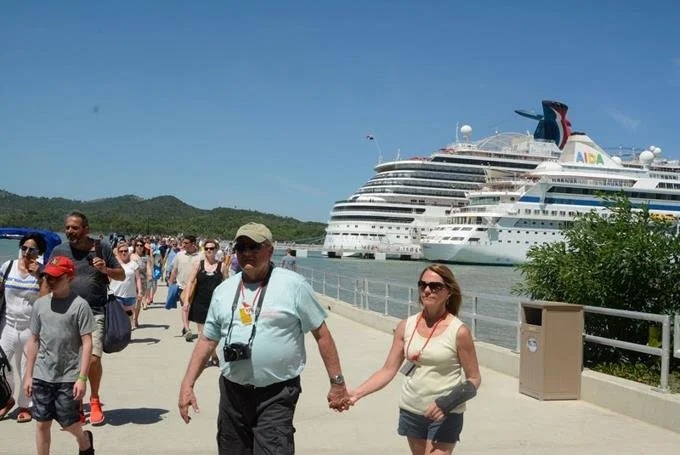
With the arrival of the Allure of the Seas, which is owned by the Royal Caribbean shipping company and is regarded as one of the largest cruise ships in the world, Puerto Plata, which has a tourist terminal at Taino Bay, becomes the first location in the nation to receive the largest cruise ship that visits the Dominican Republic. The performance of “Allure of the Seas” will have a significant economic impact on the nation and will inspire confidence in the cruise industry, according to Jean Luis Rodriguez, director of the Dominican Port Authority (Apordom), positioning the Dominican Republic to achieve its goal of becoming the Caribbean Cruise Hub.

“Based on the fact that each cruise passenger spends about 100 dollars per capita on land, we would be talking about an economic spill in Puerto Plata of more than half a million dollars.” “This fills us with pride to see in Taino Bay a dream come true, not only for those who descend from the cruise ships but also for the people of Puerto Plata, whose quality of life has been impacted by the arrival of more and more cruise passengers,” said the head of Apordom. On his side, Harold Sanders, manager of Taino Bay, affirmed that these 5,822 cruise passengers are the largest amount they have received since the opening of the terminal and that with the arrival of “Allure of the Seas,” the port is placed within the threshold with the capacity to receive this type of vessel.

“92% of the people on the ship got to know Puerto Plata, and that speaks of an achievement for Taino Bay and for the province that receives an important economic spill.” “Of the 5,370 passengers who got off, 1,612 went on a tour, 696 took taxis to different parts of the city, and the rest, 3,162, distributed themselves, walked to the historic center, and visited the port, leaving on average a little more than half a million dollars only in one day for Puerto Plata,”  assured Sanders.

The Tourism Law needs to be changed immediately in the Dominican Republic

The current version of the Tourism Law (541) restricts the establishment of small businesses to provide the various services that tourists need, which limits the sector’s social impact on the communities. This limits the development of emerging tourist destinations. This statement has been made by Elizabeth Tovar, vice president of the organization, and Rafael Nazario, executive director of the Tourism and Productive Cluster of the Province of Barahona (CTPPB). They argued that because Law 541 was passed in 1969 and the tourism industry has changed significantly since then, its revision is urgent and must take place immediately.

They believed that a gap in the law and regulations was to blame for the hotels’ lack of classification. They emphasized that despite attempts to change the tourism law, such changes are not possible without first consulting the relevant parties. Nazario emphasized that “Law 541 is a barrier to the growth of emerging tourist destinations.” He clarified that the classification of businesses that provide tourist services, including not only transportation or tour operations but also other businesses that provide services to tourists, is not contemplated by the law. Additionally, he added that “there is no guarantee that a tourist will be taken to a place without risk of being poisoned” because “small restaurants do not have real supervision to ensure that what they are offering is fulfilled.” 

Tovar stated that tourism laws make it challenging for developing locations to grow, citing the fact that only a sizable transport company with six vehicles is allowed to enter and a number of other conditions must be met in order to develop Barahona or Pedernales, which are extremely costly for any emerging location. She believed that the law placed severe limitations on how tourists could be transported. The National Institute of Transit and Land Transport (Intrant) now oversees transportation, but with the same flaws. According to the newspaper Hoy, she claimed that the predicament leads to the existence of a sizable number of unauthorized tour operators who offer services without the necessary licenses.

The President presents 100 solar-powered eco-houses to underprivileged families in Azua.

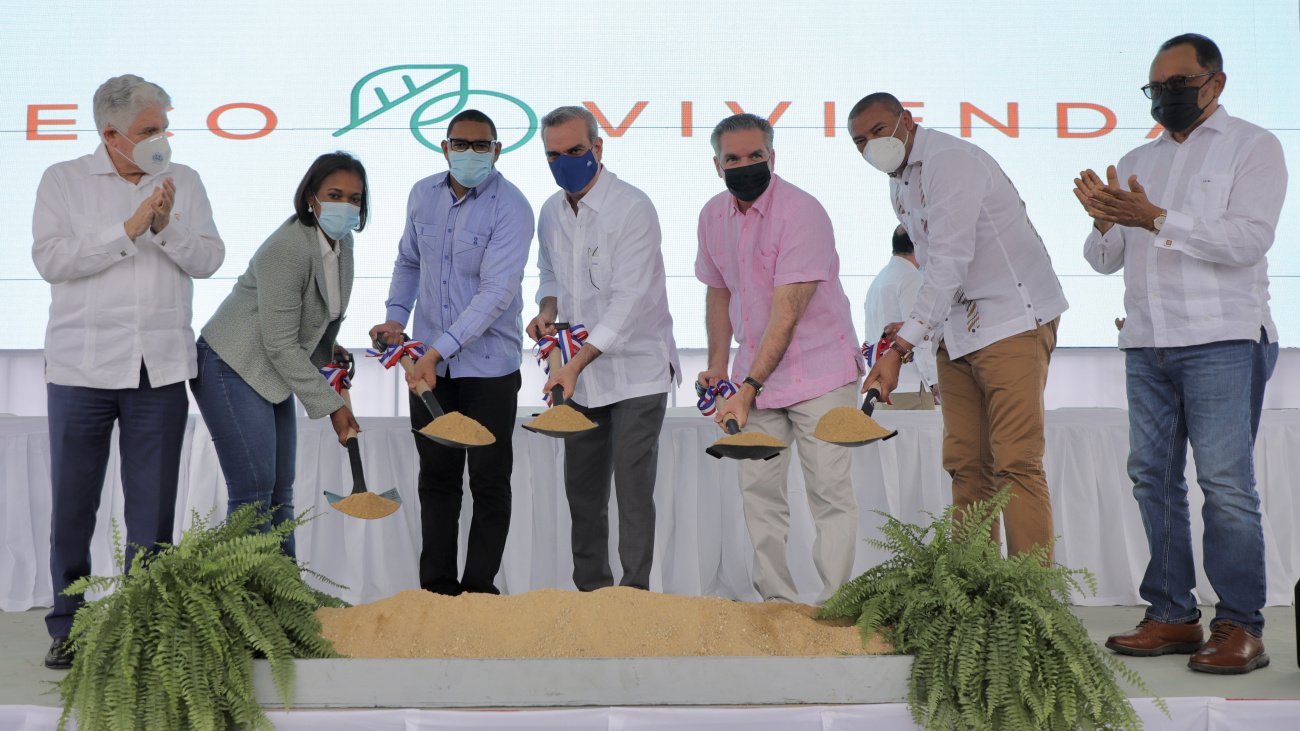
The Eco-Habitat Angel Dario Ramirez housing project for social inclusion, which consists of 100 houses and will benefit the same number of families living in conditions of extreme poverty in this province, was officially launched by President Luis Abinader in the El Barro Arriba Municipal District of the Azua de Compostela Municipality. Minister Neney Cabrera, in charge of the Directorate of Strategic and Special Projects of the Presidency (Propeep), which oversaw the eco-housing project, was present as the head of state cut the ribbon.

The police station and areas for social and recreational activities will make this community safe and respectable, the president noted during the delivery ceremony. Abinader emphasized the significance of the project, with which the government ensures that it enhances and elevates the standard of living for the 100 beneficiary families, who reside in modest homes and endure extreme destitution.

He insisted that the initiative is a component of his social inclusion program in support of Dominicans who require the most support and assistance from the government. According to the president, these homes are also being constructed in other provinces of the nation with the intention of fostering an environmentally friendly way of life. He also acknowledged Propeep and Minister Cabrera’s efforts in building the houses, which he believed should serve as a model for other communities where they will be built.

After promising that his administration would continue to work for the good of all Dominicans, Abinader said, “I congratulate all the beneficiaries of these houses, which is an act of justice and where families can live with more peace of mind and a better quality of life.”