Gov. to widen key tourist road to 4 lanes

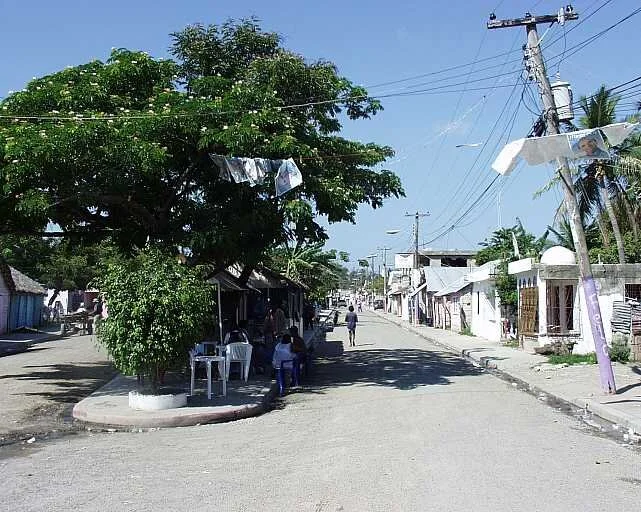
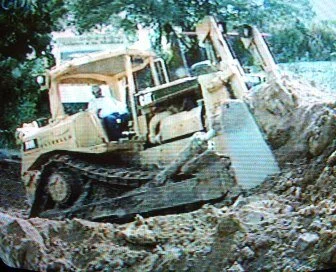
Santiago.- Dominican president, Luis Abinader, announced Sunday that a project is being designed to widen Luperón highway in Gurabo, north of Santiago, to four lanes.

The road crosses the Gurabo sector from Estrella Sadhalá avenue and serves as a key tourism link with Puerto Plata province.

Abinader also said that in mid-August the Gregorio Luperón tourist highway will be inaugurated. It features 40 kilometers from La Cumbre, crossing communities such as Yaroa, Yásica and Camú.

Over half of Dominican population has received two doses of Covid vaccine

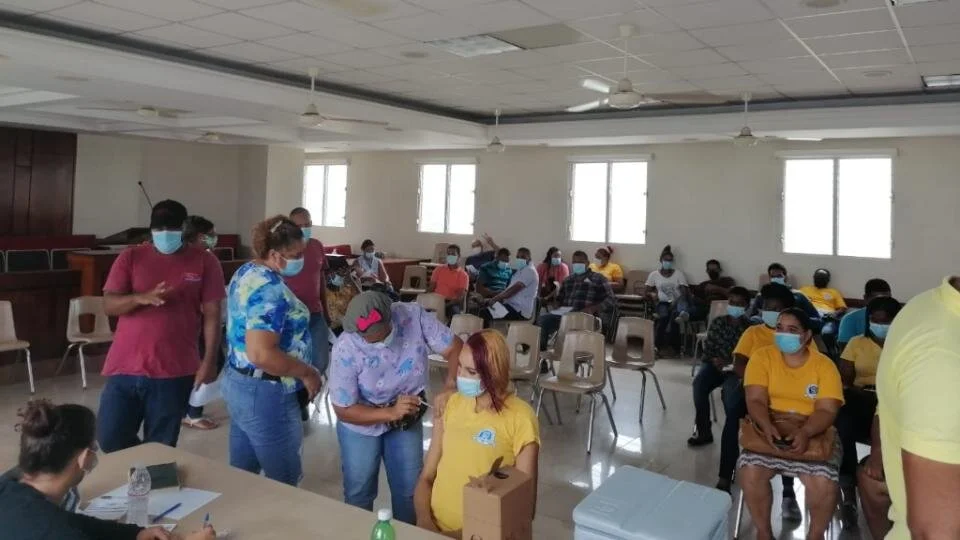
54.6% of the adult population of the Dominican Republic has received the two doses of the vaccine against covid-19, according to data offered this Saturday by the Government.

The percentage of the population over 18 years of age that has been given only the first dose stands at 67.1%, according to data from the national vaccination plan.

The official report does not include data on those vaccinated between 12 and 17 years of age, nor does it provide the number of people who have been given the third booster dose.

The districts with the highest number of people vaccinated with two doses are La Altagracia (84.6 %) and the National District (80.1 %), followed by Espaillat (63.2 %) and Pedernales (62.3 %).

On the opposite side, the provinces with the lowest percentage of vaccination are San Cristóbal (44.7%), Monsignor Nouel (44.9%), Elías Piña (46.2%), La Vega (47.1%), Santo Domingo (47.5%), and Duarte (47.9%).

Vaccination against the coronavirus began last February, but the process has been slowing down in the country as it has progressed.

On July 28, vaccination was achieved with two doses of 50.2% of the adult population, and since then, only 4% has been advanced.

The Dominican Republic plans to vaccinate 7.8 million adults and children between the ages of 12 and 17, although the Government has not specified the number of adolescents to be inoculated.

The country began the vaccination campaign last February, mostly with Sinovac, and since mid-June has also administered Pfizer’s vaccine to minors aged 12 and over.

The Government has encouraged the population to take a third booster dose as a prevention against the rapid spread of the delta variant around the world.

To incentivize the population to get vaccinated, the government has promised to lift the curfew in provinces that exceed 70% vaccination with two doses.

Puerto Plata receives two cruises in one day for the first time since the pandemic

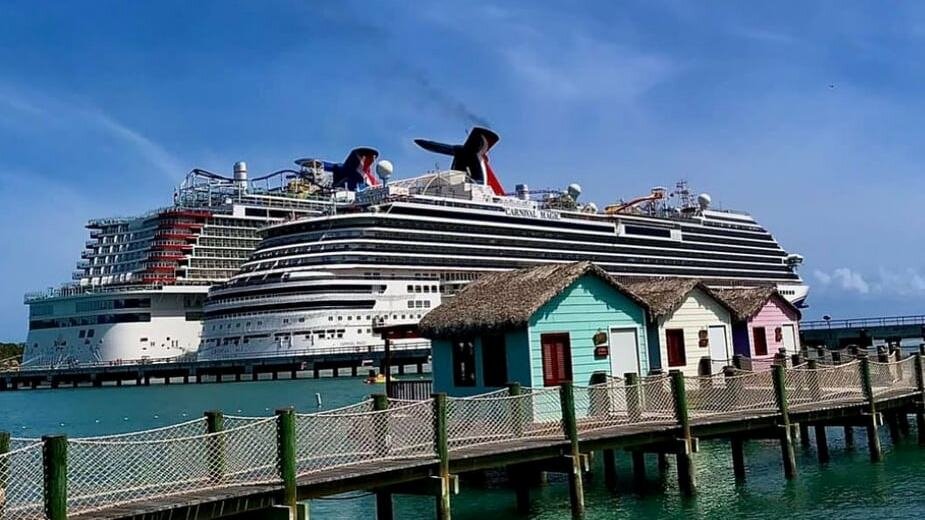
The regional director of tourism of Puerto Plata, Stephanie Kfouri, highlighted the recovery of the cruise industry in that province, with the arrival last Wednesday of two cruise ships of the Carnival Cruise Line.

Kfouri explained that the cruise ships that arrived at the Amber Cove terminal were Carnival Mardigras and the Carnival Magic, with 5,874 cruise passengers and 3,099 crew members (for both).

“In a year we recovered tourism, today we celebrate it with the arrival for the first time of 2 cruise ships in a single day after 17 months,” she said.

Kfouri also said that “we are managing to reactivate the whole area, little by little and safely, it is something that fills us with pride.”

Dominican Republic North region to get works for US$2.3B+

Puerto Plata.- President Luis Abinader had a busy weekend in Valverde and Puerto Plata provinces.

On Saturday, in Mao, Valverde, the president headed a Council of Ministers where he also listened to representatives of Santiago Rodríguez, Montecristi, and Dajabón, where he promised works for over RD$126.7 billion (US$2.3 billion).

On Sunday, in Puerto Plata, Abinader announced the second stage of the Los Guzmancito Wind Farm, a project in charge of the renewable energy company Poseidón. It will have a total cost of US$258 million of Dominican capital for part of Grupo Energético 23 (GE23).

The foreign capital is by STOA, the investment arm in Renewable Energy and Infrastructure of the French Government Pension Fund administrator.

The park includes the construction of 13 new turbines in addition to the 16 already installed. it’s estimate that when they finish the work the park will generate 100 megawatts.

Russia lifts restrictions on flights to Dominican Republic

Moscow.– Russian authorities announced the lifting of all restrictions imposed on the air flow between Russia and the Dominican Republic for direct regular and charter flights starting from August 27, 2021.

According to a statement issued by the Russian anti-coronavirus crisis center, following discussions and considering the epidemiological situation in certain countries, “the decision was made to lift restrictions on international regular and non-regular (charter) flights from Russian airports to the Dominican Republic, South Korea and the Czech Republic.”

This measure will allow Russian airlines to access our country to offer their services to tourist destinations such as Punta Cana, Samaná and Puerto Plata, as they already do in La Romana, open since August 9.

The Dominican ambassador to Russia, Hans Dannenberg Castellanos, explained that the decision has been made on the basis of the epidemiological situation in the country.

“This shows that the Russian authorities appreciate the progress in handling the pandemic and the Dominican National Vaccination Plan,” he pointed out.

Medical College would send doctors to Haiti if governments guarantee safety

Santo Domingo.– The Dominican Medical College (CMD) affirmed today that if the governments of the Dominican Republic and Haiti guarantee the safety and integrity of the doctors, they would be in a position to send doctors to help those affected by the earthquake occurred last Saturday.

“We have no problem collaborating with humanitarian aid in Haiti, as long as the Dominican and Haitian governments guarantee the integrity of these doctors,” said CMD president Waldo Ariel Suero.

Suero stated that it is not the same to walk on Dominican soil as it is in Haiti, due to the high level of insecurity in that country. These statements were offered during CMD’s 130th anniversary celebration.

“When we have the guarantee of those colleagues’ integrity, especially by the Dominican government, we are ready to go. It is one of the functions of the Dominican Medical College to identify ourselves with serving the neighboring country of Haiti, but on the basis of the guarantee,” said the doctor.

According to official sources, at least 1,419 people have died in the 7.2-magnitude quake ans over 6,900 were injured, with an unknown number still missing.

At the Les Cayes General Hospital the influx of injured people was so high that medical personnel placed numbered stickers on their foreheads to identify them.

Dominican Republic picks up pre-Covid pace: allow hotels to operate at 100% capacity

MITUR HAS CANCELLED OCCUPANCY LIMITATIONS IN HOTEL CENTERS


 They have a maximum capacity of 85% for excursions

 Hotels to maintain social distancing measures


The Ministry of Tourism(Mitur)mandated that hotels operate at 100% of their capacity but maintaining social distancing measures to prevent the spread of Covid-19.

In resolution DJ-022/2021, Mitur set at 90% the capacity in vehicles for the transport of employees and tourists, and the occupancy in excursions, maritime transport, and water activities at 85%, a measure that could be modified according to the evolution of Covid-19.

In addition, the use of masks within public and private enclosed spaces for public use is maintained as mandatory, as well as that establishments must ensure that they retain social distancing between people who are inside them.

Resolution

FIRST: PROVIDE, as for this purpose PROVIDES, that in the case of hotel establishments, the limitations on the level of occupancy and service previously established by this Ministry of Tourism are rescinded, so this may be 100% of its capacity, without prejudice to the maintenance of the necessary social distancing measures to prevent the spread of Covid-19.

SECOND: TO REITERATE, as for this purpose REITERATES, that the capacity in the vehicles destined by the tourist establishments for the transport of their employees and local or foreign tourists will be up to ninety percent (90%), a measure that may be modified by the Ministry of Tourism periodically through resolutions issued to that effect, taking into account the evolution of Covid-19 in the Dominican Republic.

THIRD:: TO REITERATE, as for effect REITERA, that the level of occupation in excursions, maritime transport, ranch, horse and water parks activities may be up to eighty-five percent (85%), this measure that may be modified by the Ministry of Tourism periodically through resolutions issued to that effect, taking into account the evolution of Covid-19 in the Dominican Republic.

FOURTH: PROVIDE, as for this purpose PROVIDES, that the use of masks within public and private enclosed spaces for public use will be maintained, as well as those establishments must ensure that they retain social distancing between people who are inside them.

Over 85% of workers have recovered their jobs

Santo Domingo.– When the COVID-19 pandemic began in March 2020, many workers began to be suspended and the Dominican government had to develop social programs to help the most vulnerable families and the working class.

For the employees, the authorities created the Employee Solidarity Assistance Fund (FASE), which together with Stay at Home and Pa’Ti programs, totals, to date, the figure of RD $ 144,968 million.

Labor ministry Luis Miguel De Camps explained that among the over 800,000 workers who were suspended due to the pandemic, more than 700,000 have already been reinstated to their jobs thanks to the economic recovery.

In addition, he reported that during the last year more than 80,000 new workers have entered the labor market in formal jobs.

De Camps indicated that the crisis generated by the COVID-19 pandemic is unprecedented and prompted the acceleration of some procedures in favor of the country’s working class.

“Since August 16 we have been transforming the role of the Ministry at a time when working life takes on special importance in the social and economic development and the mental health of Dominicans,” he added.

According to the official report, in the last 12 months the Labor Ministry was able to agree on salary increases, issued the resolution on telework, promoted the expansion of family health insurance coverage, including, also, subsidies for sickness, maternity and breastfeeding.

The Labor minister said that in December 2020 they created the special Christmas fund for workers, through which almost 700,000 workers who were suspended could benefit from an investment of approximately 3.4 billion pesos.

Likewise, through the National Salary Committee (CNS) an average salary increase of 24% was approved. It was done through the development of a consensus that has laid the foundations for the future of relations between workers and employers.

There is a strong increase in housing materials

Santo Domingo, DR.

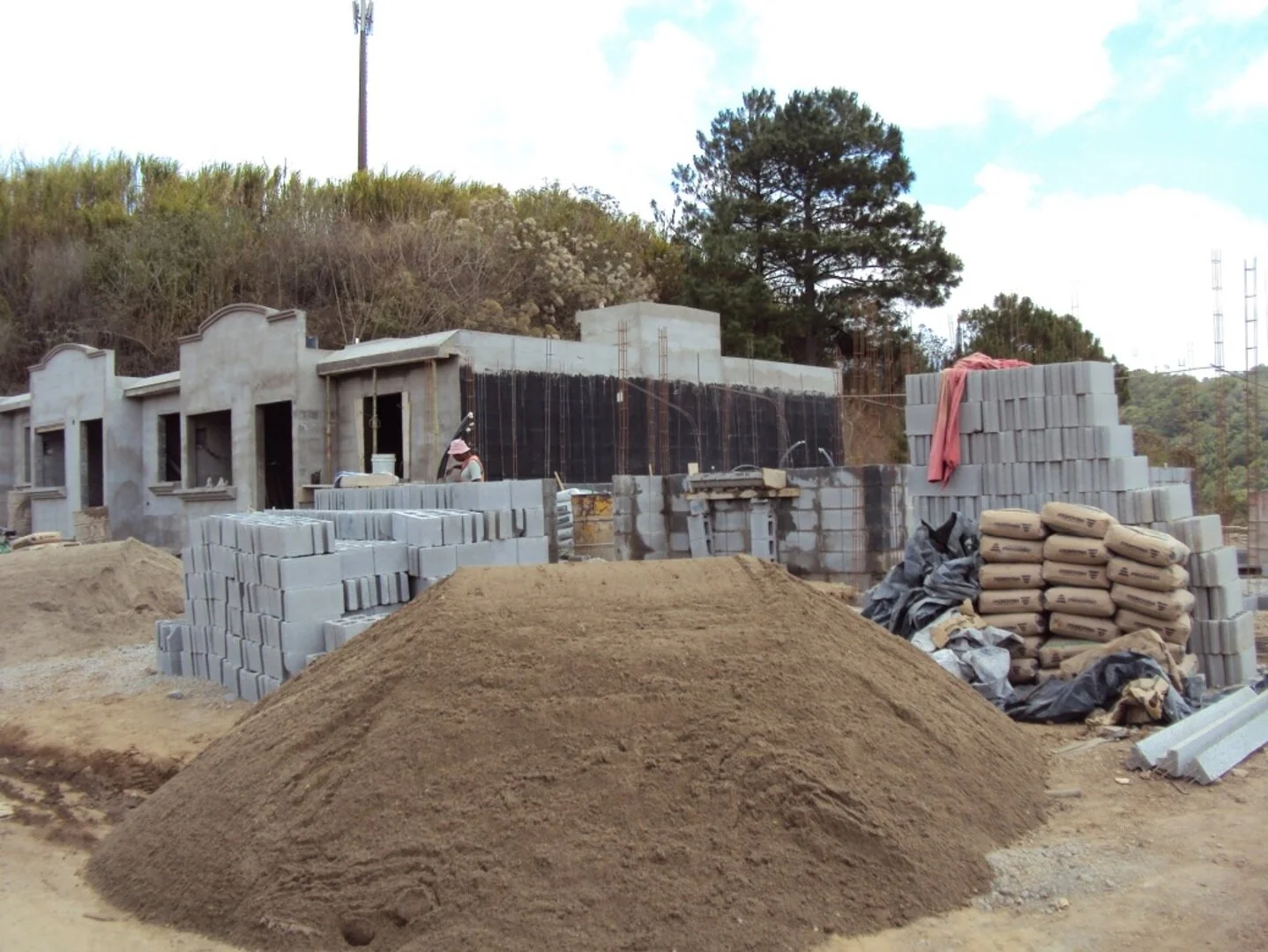
In the Dominican Republic, a 25.1% increase in the prices of housing construction materials was recorded this year compared to 2019, according to data from the Regional Center for Sustainable Economic Strategies (CREES), which is based on the Direct Cost Index of Housing Construction (ICDV) of the National Statistical Office (ONE).

According to the monthly digital bulletin corresponding to June 2021 of the ONE, the ICDV was 198.46 on average, registering an increase of 5.85 points, compared to May of this year, which was 192.61, when the main increases were in tools, with 48.53%, and in machinery with 6.11%.

In addition, the ICDV recorded a monthly variation of 3.05%. This result is higher than that presented in the same period of 2019, which was 2.38%. By type of dwelling, the ICDV was 205.12 for single-family housing of one level, 197.59 for the two-level single-family house, 193.68 for the four-tier multifamily, and 197.45 for the eight-tier multifamily, or more.”

Representatives of the Dominican Association of Builders and Developers of Homes (Acoprovi) indicated that the increases applied in the main inputs used in the construction sector raised to 31.5% of the costs of real estate projects in execution.

Increase in materials
The fiscal and monetary policies adopted by various countries and the reduction in production raised the international prices of goods and services, as a result of the Covid-19 pandemic, which led to an increase in the prices of raw materials for the construction of a house, such as wood, steel, copper, aluminum and liquid fuels.

In the country, the principal increases were recorded in the blacksmithing subcontract, with 25.50%; natural stones and marmolite, with 19.81%; electric wires, with 13.34%; electrical miscellaneous, with 11.26%; steels, with 10.90%; and wood, with 7.99%, according to the June 2021 Housing Construction Direct Cost Index.

Bill
Due to these increases, the Senate of the Republic approved on first reading the bill amending article 129 and paragraphs I, II, and III of article 131 of Law 189-11, of July 16, 2011, for the development of the mortgage market and the Trust in the Dominican Republic, which increases the cost of sale of low-priced homes, from RD$3.5 million to RD$4.5 million.

The purpose of this project is to change the law as mentioned above to increase the reference value of low-cost homes and exempt from the payment of real estate transfer tax to first-time home acquirers through trusts.

4.5 MM
Article 129

This article of Law 189-11 states that low-cost housing projects are housing, with the participation of public or private sectors, whose units will have a sale price equal to or less than RD$4.5 million, a rate due to current inflation will be adjusted annually.

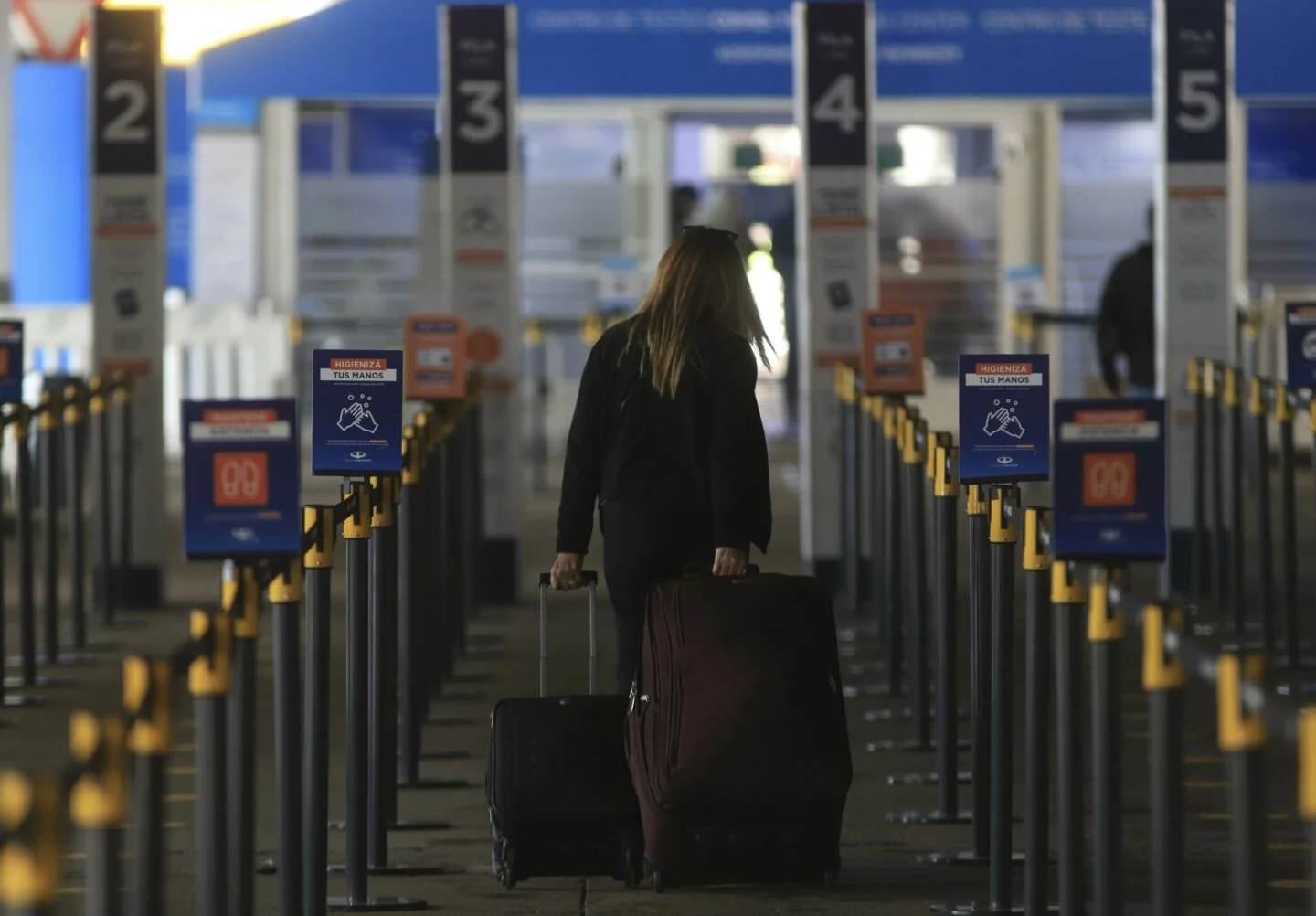
U.S. bill requires air travelers to be vaccinated against Covid

SUBMITTED BY CONGRESSMAN RITCHIE TORRES


For the 15th district in the Bronx, Congressman Ritchie Torres submitted a bill to Congress that seeks that only fully vaccinated passengers can travel by plane in the United States.

The proposal would require vaccination before boarding a domestic or international flight. In addition, it would establish exemptions for children who are not eligible for the vaccine, with a “valid” medical excuse.

Also, to international travelers who “may not have the same access” to vaccines.

The Bronx rep is pushing President Joe Biden’s administration to pass the measure, as history tells us that “vaccination mandates are the best hope for breaking the cycle of infectious diseases.”

According to Hoy (Today), the Delta variant has caused a setback of the pandemic in the U.S. territory, causing a significant increase in deaths and transmissions of the virus.

From the beginning of the pandemic until the night of last Thursday, August 12, in the U.S., 37,167,888 were reported infected; 635,901 were deceased, and 30,090,395 were recovered.

Of this amount in the state of NY, 2,257,089 are infected; 54,404 dead and 2,093,454 recovered.

In addition, in the Big Apple, there are 981,518 infected and 33,636 deaths.

Thousands of Dominicans in the USA have died from Covid-19, and tens of thousands have been infected.

Death toll from Haiti earthquake rises to 1,297

The quake erased some localities and caused landslides that affected rescue efforts in two of the most affected communities.

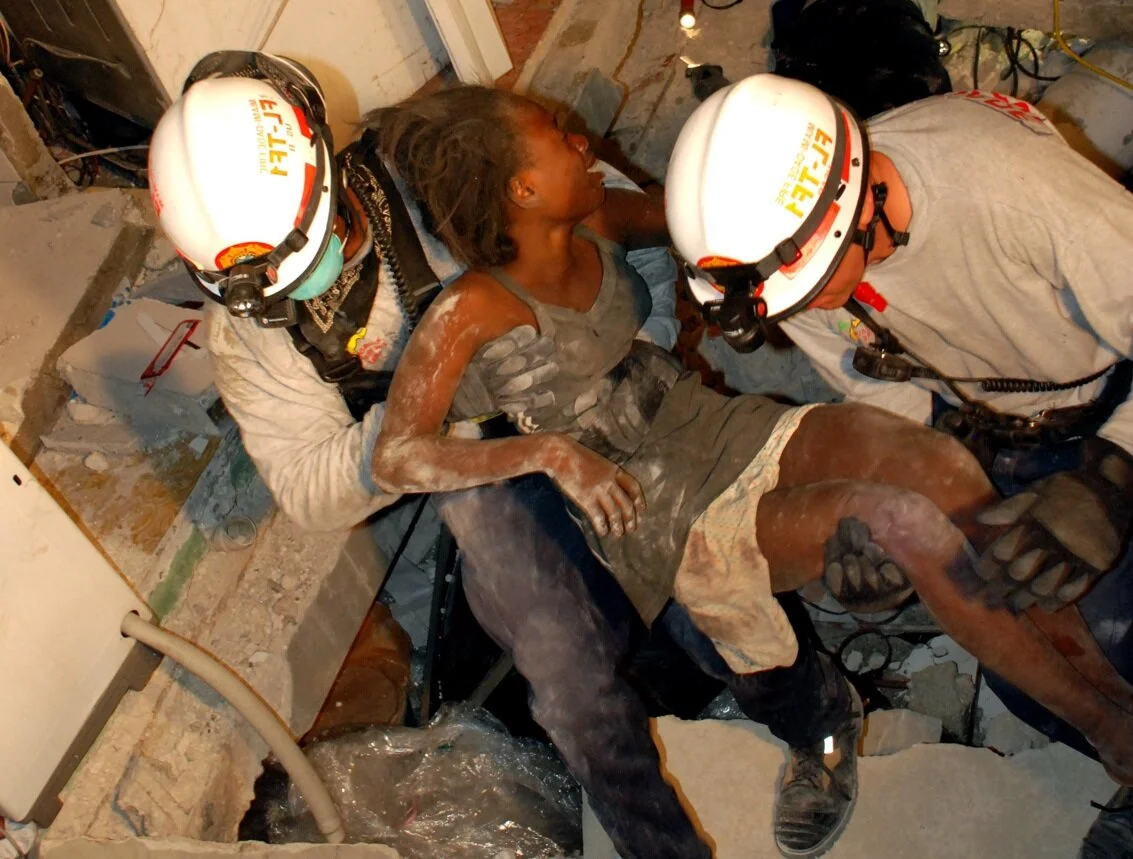
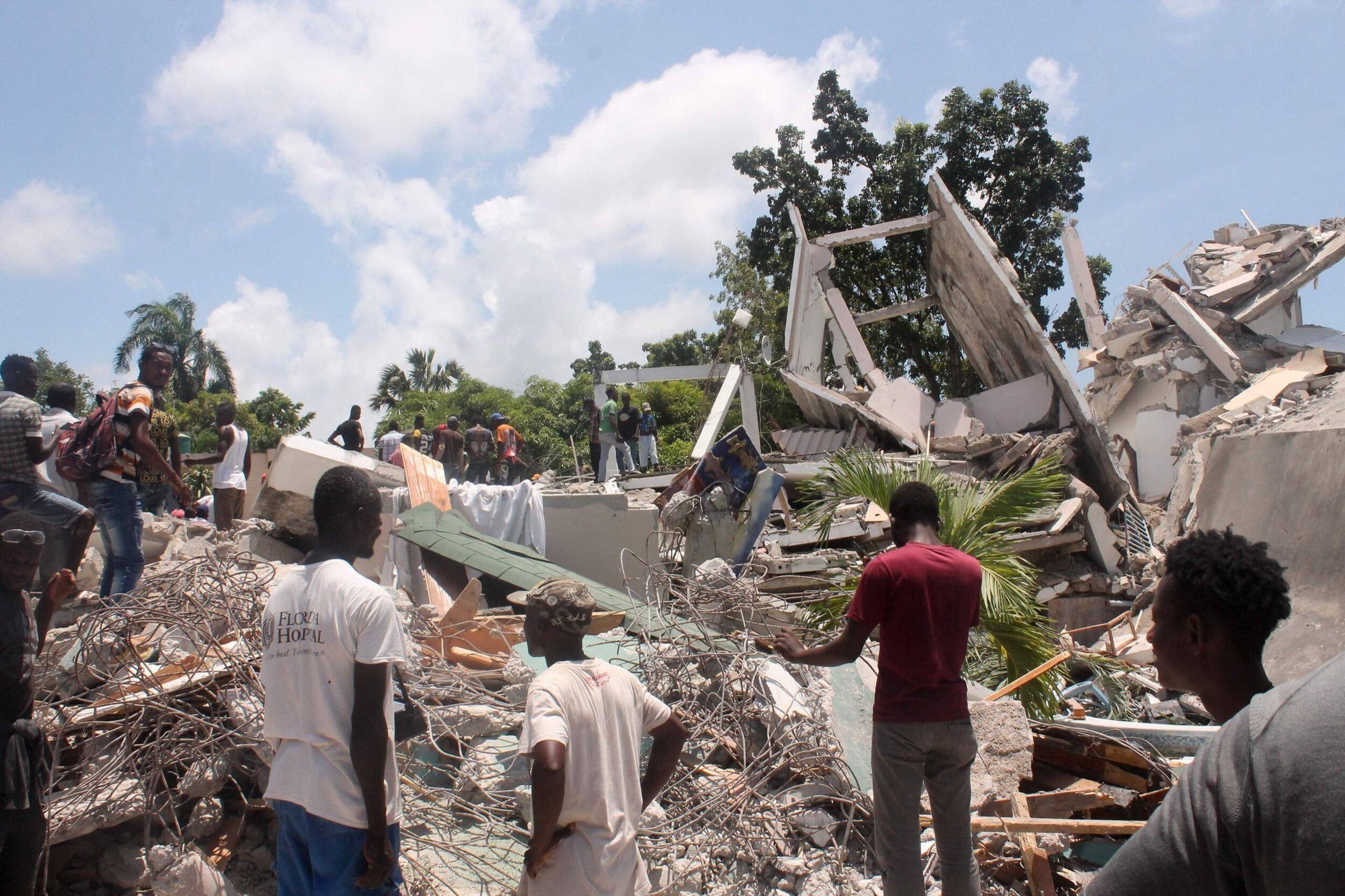
The death toll from the magnitude 7.2 quake in Haiti soared yesterday to 1,297, with at least 2,800 people injured and hundreds of homes destroyed.

Updated data from the Office of Civil Protection follows an earlier tally of 304 deaths. Office Director Jerry Chandler said rescuers continue to search for survivors under the rubble.

People in the Caribbean nation rushed to the streets, searched for a safe place, and then helped rescue those trapped in the rubble of houses, hotels, and other structures that collapsed.

Saturday’s quake struck the southwestern part of the continent’s most impoverished nation, virtually erasing some localities and causing avalanches that affected rescue efforts in two of the hardest-hit communities.

The disaster exacerbated what was already a difficult situation for Haitians, who were already grappling with the coronavirus pandemic, the assassination of the president, and a wave of gang violence.

The quake’s epicenter was recorded about 125 kilometers (78 miles) west of the capital Port-au-Prince, the U.S. Geological Survey reported. Widespread damage could be worse in days when Tropical Storm Grace is expected to hit Haiti.

There were aftershocks all Saturday and overnight when many people who were left homeless or feared their damaged homes would collapse on them stayed on the streets to sleep if nerves allowed.

In the coastal town of Les Cayes, some thanked God for having survived the quake, and many went on Sunday to the city’s cathedral, which seemed to have no impact although the priest’s residence was destroyed. “Now we only have Jesus,” said Johanne Dorcely, 58, whose home was reduced to rubble. “If it weren’t for Jesus, I couldn’t be here today.”

Prime Minister Ariel Henry said he was sending aid to areas where localities were torn apart, and hospitals were overwhelmed by the number of patients arriving.

A former senator rented a private plane to transport the wounded from Les Cayes to Port-au-Prince for medical assistance. Henry declared a one-month state of emergency.

Solidarity
Humanitarian aid dispatched or pledged to Haiti by many nations

Chile and Panama
Panama will establish a collection center to collect aid, while Chile will provide a plane to send the assistance and will donate 16 tons of support,

Mexico and Colombia
Mexico shipped food and medical supplies, and Colombia sent 16 tons of aid and rescue teams.

Venezuela and the U.S.
Venezuela sent 30 tons of supplies, including food, medicine, and drinking water. At the same time, the U.S. sent a rescue team.

Spain
Has expressed a willingness to send help.

Henry would not ask for help until the extent of the damage is known.

Grace moves near Puerto Rico and puts Haiti on alert, Fred resurfaces

Miami

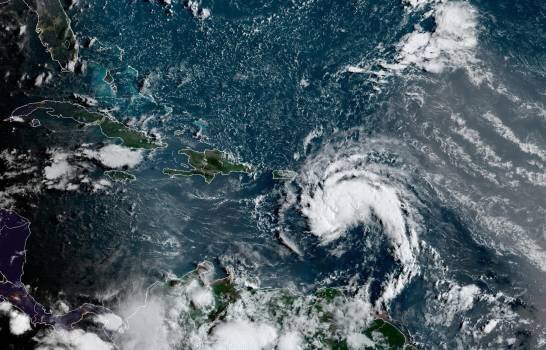
Storm Grace is located this Sunday near Puerto Rico. She is expected to cross the Dominican Republic and then hit Haiti in the coming days, which suffered a magnitude 7.2 earthquake yesterday morning that has left more than 700 dead on Saturday. At the same time, Fred resurfaced in the Gulf of Mexico as a tropical storm.

Grace, the seventh tropical storm of the current Atlantic hurricane season, is located 55 miles (90 km) southwest of Santa Cruz and 100 miles (160) south of San Juan, Puerto Rico, according to the U.S. National Hurricane Center (NHC).

With maximum sustained winds of 40 miles per hour (65 km/h), the storm moves at 16 miles per hour (26 km/h) in a west-northwesterly direction. On that trajectory between Monday and Tuesday, it will be over the island of Hispaniola (the Dominican Republic and Haiti), which received the passage of Tropical Storm Fred on Wednesday of this past week.

The U.S. Virgin Islands, Puerto Rico, the north coast of the Dominican Republic, and the entire coast of Haiti are under warning and surveillance for the passage of the storm, which also has the Turks and Caicos Islands and Cuba on alert.

Grace will produce heavy rains in Puerto Rico, in some parts up to 7 inches (175 millimeters), and Hispaniola, with isolated maximums of up to 10 inches (250 millimeters), rainfall that can cause flash flooding and possible landslides.

FRED BECOMES A TROPICAL STORM AGAIN

Fred, which on Saturday was downgraded to a “tropical wave,” after interacting with the high mountains of Hispaniola, has regained tropical storm status in the southeastern Gulf of Mexico, where it is moving northwestwardly at 9 miles per hour (15 km/h), the NHC reported today.

Fred’s predicted trajectory, which features maximum sustained winds of 40 miles per hour (65 km/h), puts some gulf-facing coastal areas, such as Florida and Alabama, on alert, where it could make landfall between Monday night and Tuesday.

Fred is located 350 miles (565 km) south of Pensacola, Northwest Florida, in the so-called panhandle.

The U.S. National Oceanic and Atmospheric Administration (NOAA) recently released its updated forecast for the current season, according to which above-average activity will be recorded in the Atlantic.

There are seven tropical storms in the current Atlantic hurricane season, which officially began on June 1: Ana, Bill, Claudette, Danny, Elsa, Fred, and Grace.

Only Elsa, formed in early July, became a hurricane for now.

The entire country on alert for tropical storm Grace

Santo Domingo, DR.

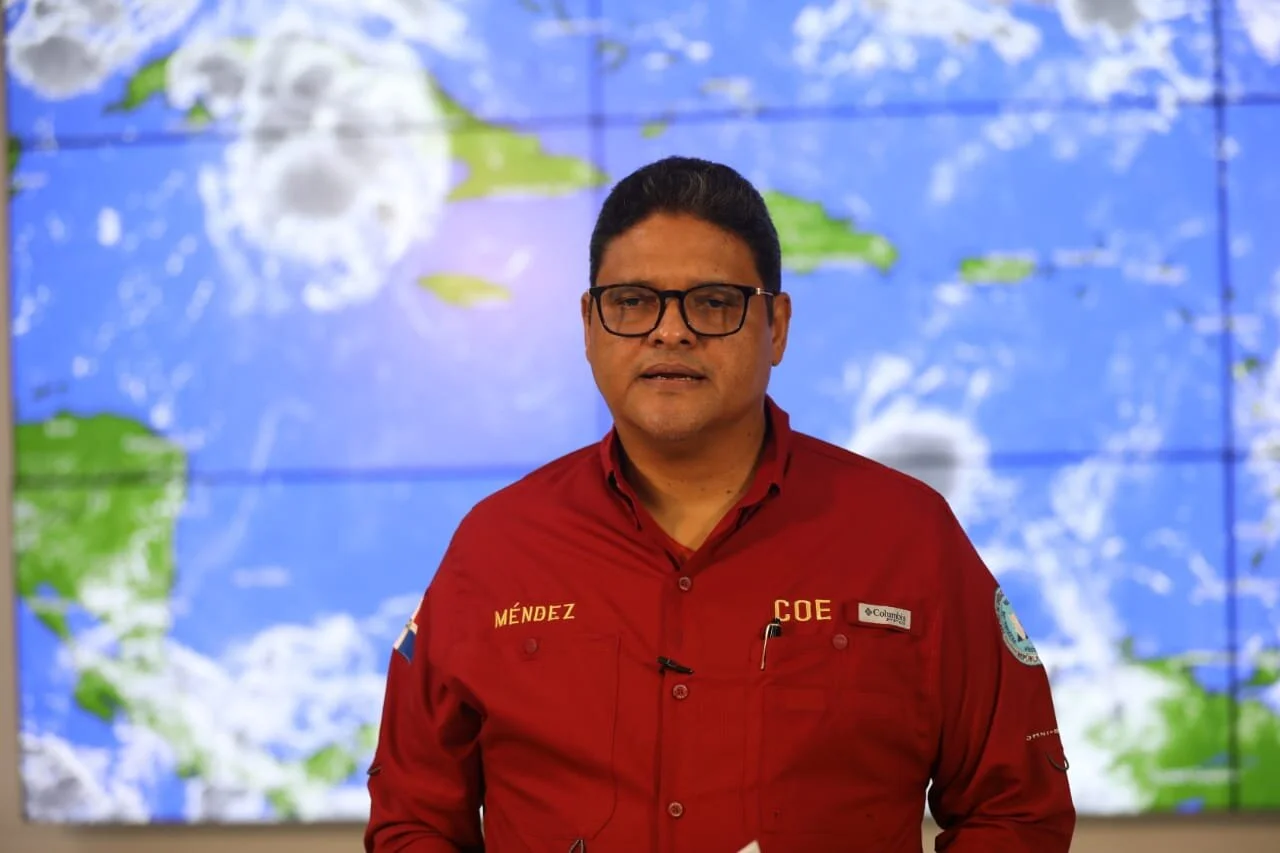
The Emergency Operations Center increased the number of provinces on alert for possible flooding of rivers, streams, and glens, as well as flash or urban flooding to 31, as Tropical Storm Grace was located near Guadalupe, Leeward Islands, and about 780 km east/southeast of Cabo Engaño, in La Altagracia.

The report noted that Grace is moving rapidly westward at about 43 kph with maximum winds of 65 kph.

The provinces on red alert are: La Altagracia, La Romana, El Seibo, Samaná, María Trinidad Sánchez, Santo Domingo, Barahona, San Cristóbal and San Pedro de Macorís.

On yellow alert are Duarte, Monte Plata, Pedernales, San Jose de Ocoa, Azua, Hato Mayor, Peravia, Hato Mayor and Sanchez Ramirez.

On green alert are Sisters Mirabal, Monsignor Nouel, San Juan, Independencia, Montecristi, Dajabón, Santiago Rodríguez, La Vega, Espaillat, Bahoruco, Elias Piña, Puerto Plata, Santiago and Valverde.

Country exports US$5.8 billion in first half of 2021, 70% represented by free trade zones

Santo Domingo, DR
In the first semester of 2021, exports showed a 28% growth from US$4,492.8 million in the same period of 2020 to US$5,751.6 million, that is, US$1,257.8 million more, these being represented in 70% by the Dominican free zones.

In this regard, the president of the Dominican Association of Free Zones (Adozona), Luis José Bonilla Bojos, projected that by the end of the year, this sector would have exported US$7,000 million, a historical figure for this productive activity.

Bonilla Bojos spoke during the celebration of the National Day of Free Zones in President Luis Abinader, where the positioning of the Dominican Republic as a regional model for this sector was demonstrated.

The sector’s statistics also highlight that the subsectors that grew the most were tobacco and its derivatives with 80.3%, textiles with 73.6%, electrical and electronic products with 10.1%, and medical and pharmaceutical devices with 3.7%.

In the activity, where it was indicated that the Dominican free zones have 77 industrial parks, 726 companies, and more than 72,000 direct jobs, also participated the Minister of Industry, Commerce and Mipymes, Victor-Ito-Bisonó; the executive director of the National Council of Free Export Zones (CNZFE), Daniel Liranzo; as well as other actors of the sector and legislators.

Bonilla Bojos added that the free zones have advantages that attract foreign investment, such as geographic location, logistic infrastructure, excellent connectivity, social, political, and economic stability, as well as an attractive regime.

It is recalled that in 2020, the MICM, the CNZFE, and Adozona presented the plan to relaunch the free zones as an ideal formula to attract foreign investment, generate jobs, and achieve a sustained increase in exports, which are the main generators of foreign exchange and development for the country.

Abinader found a country ‘hungry for reforms’

Santo Domingo.- Dominican Republic President, Luis Abinader, on Thur. said that upon arriving at the National Palace on August 16, 2020, he found “a country hungry for reforms.”

Interviewed by the Corripio Communications Group to mark his first year in office, the president specified that upon assuming power the urgent issue was to address the crisis of the pandemic, however, they could not neglect decades of reforms that the State needed.

Abinader said that in the last 12 months his government has brought tranquility to the country by forming nonpartisan institutions.

“Here we must remember that every time the Central Electoral Board was to be formed it was a crisis, people entering and leaving Agripino’s house, the same in the Superior Electoral Court, the same for the selection of judges, when the Chamber of Accounts not because when they selected him there were five from the government, that was the tradition.

The “brilliant” first year of Abinader’s government in tourism

 Highlights the country’s ability to continue attracting tourism investment

 The public sector estimates DR will receive 4 million visitors this year


 Leave a comment

The management of the government of Luis Abinader, in its first year, in tourism has been brilliant, according to the expert and economist Juan Lladó, who evaluated mainly the health and prevention aspects in the face of the Covid-19 pandemic and the country’s ability to continue attracting foreign investment in the tourism area.

He said that the government’s priority in the coming years should be to develop tourism infrastructure and exploit the potential of Pedernales as a vocation area for the enjoyment of its beaches and other attractions.

He considered that by the end of President Abinader’s administration in 2024, there should be between three and four hotel facilities, which would be a great success, according to Acento.com.

On the management of the pandemic and the vaccination process, Lladó said that the country has been efficient in achieving vaccination of more than 50 percent of its population quickly, which gives confidence to the countries that send us tourists, but warned that the arrival of tourists would depend on how efficient the countries that send tourists to the Dominican Republic are in their vaccination.

The excellent progress of tourism in the first year of Abinader’s government is also evidenced by the visitor figures that set between January-July of this year the arrival of 2,470,282 tourists, and with official predictions that the total number of non-resident visitors could be located at 4 million by the end of 2021.

The number of visitors exceeds that received in 2020 and is equivalent to 97% of those registered in July 2019.

Tropical Storm Fred threatens Dominican Republic

Santo Domingo.- Tropical Storm Fred, which formed Tuesday night, will hit the Dominican Republic this Wednesday, generating a significant amount of rain, gusts of wind, thunderstorms and possible floods.

The phenomenon moves towards the west with near speed of 28 kilometers per hour and maximum sustained winds of about 65 kilometers per hour and some stronger gusts.

Its impacts in the Dominican Republic would begin early Wednesday in the southeast

Link Moscow-La Romana marks restart of flights from Russia to Dominican Republic

OPERATED BY AZUR AIR, WITH 521 TOURISTS ON BOARD


 Punta Cana and Puerto Plata will also connect with the Russian capital

 Resumption of flights boosts tourist recovery in the country


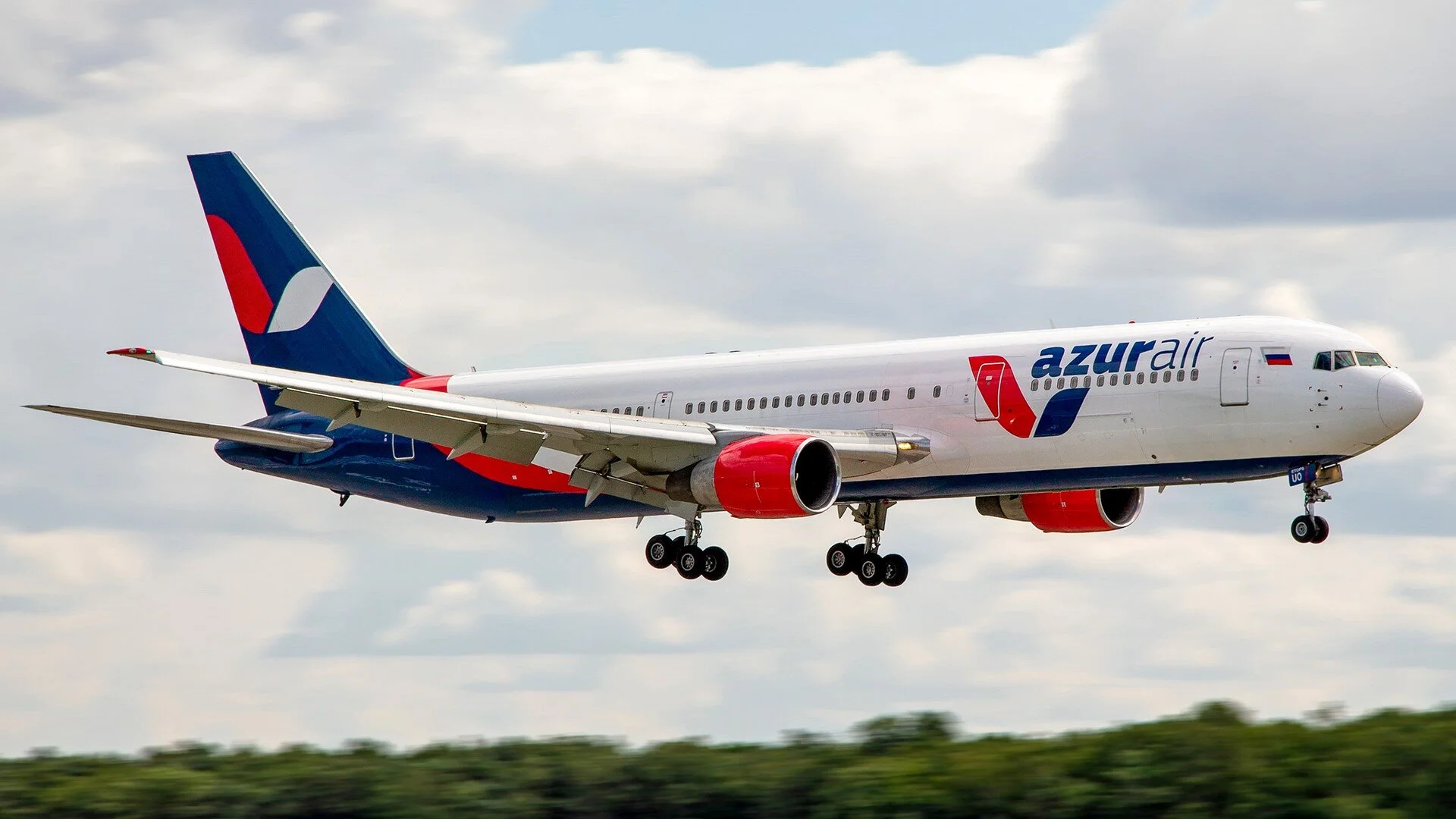
As arecoa.com had anticipated, Russia has resumed its air operations with the Dominican Republic, so this Sunday, August 8, flight AZV777, operated by Azur Air, departing from Moscow International Airport bound for La Romana.

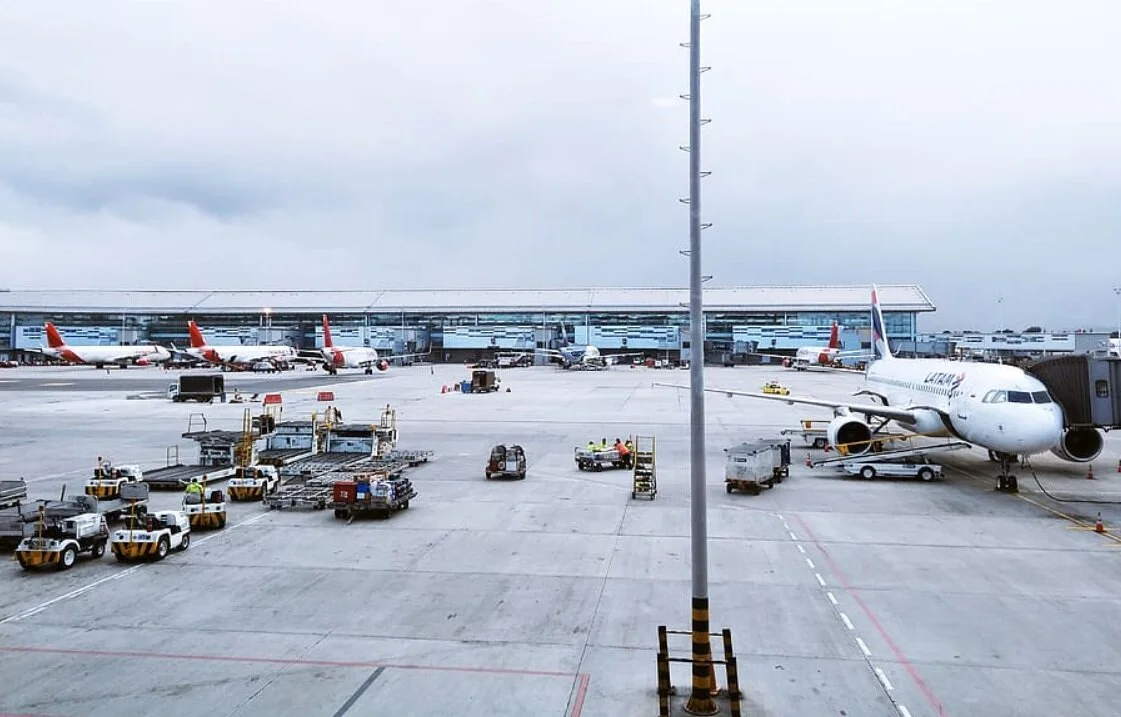
The link marks the resumption of flights between the two countries after air operations have been suspended since March 2020, which will arrive at La Romana airport at 5:35 a.m. on Monday, August 9, 2021, with 521 tourists on board.

“We are very proud of the boarding of Russian tourists who will travel on the first flight to the Dominican Republic, after the reopening of borders authorized by the Government of the Russian Federation,” the Dominican Embassy in Russia posted on its Twitter account.

Air communication between both nations will be re-established by the following routes: Moscow-La Romana, Moscow-Punta Cana, and Moscow-Puerto Plata. In particular, Azur Air, Russia’s largest charter airline, will operate to La Romana airport three times a week.

The Russian market has traditionally been one of the main tourist emitters of the Dominican Republic. Despite the limitations caused by the Covid-19, 8,341 Russians have arrived in the country as of June. In 2020, 75,847 came, and in the last normal year 2019, more than 242 thousand visitors from that nation.

Dominican Republic Gov. spent US$1.3B on public works in 1st 12 months

Santo Domingo .– In his first twelve months of government, President Luis Abinader began to build infrastructures, through Public Works, which exceed RD$70 billion (US$1.3 billion), some of them concluded and others in process.

On Friday Public Works Minister, Deligne Ascensión specified that of this sum about RD$15 billion was disbursed during this first year.

Yesterday Abinader reviewed with his officials the fulfillment of the hundreds of works that they have promised to leaders of neighborhood associations in their meetings with communities throughout the country.

Ascención said that they fulfilled about 70% of the commitments assumed.

IDB: Dominican Republic is most tourism-dependent nation in Latin America

ACCORDING TO THE TOURISM DEPENDENCY INDEX

The Dominican Republic is the country with the highest dependence on tourism in the Latin American region, according to the results of the Inter-American Development Bank’s(IDB)2019 Tourism Dependency Index, published in May 2021.

The impact of the Covid-19 pandemic on tourism globally has been unprecedented, but especially in countries with high dependence, according to the Regional Center for Sustainable Economic Statistics.

In that sense, the country obtained a score of 24.1, an increase of 1.2 points over the previous year, according to El Día.

It should be mentioned that although the Dominican tourism industry has begun its revitalization (with positive numbers) thanks to the relaxation or lifting of mobility restriction measures after the progress in the immunization of the world’s population, especially in the leading countries emitting tourists bound for the DR, there is still a long way to go to reach pre-pandemic levels.