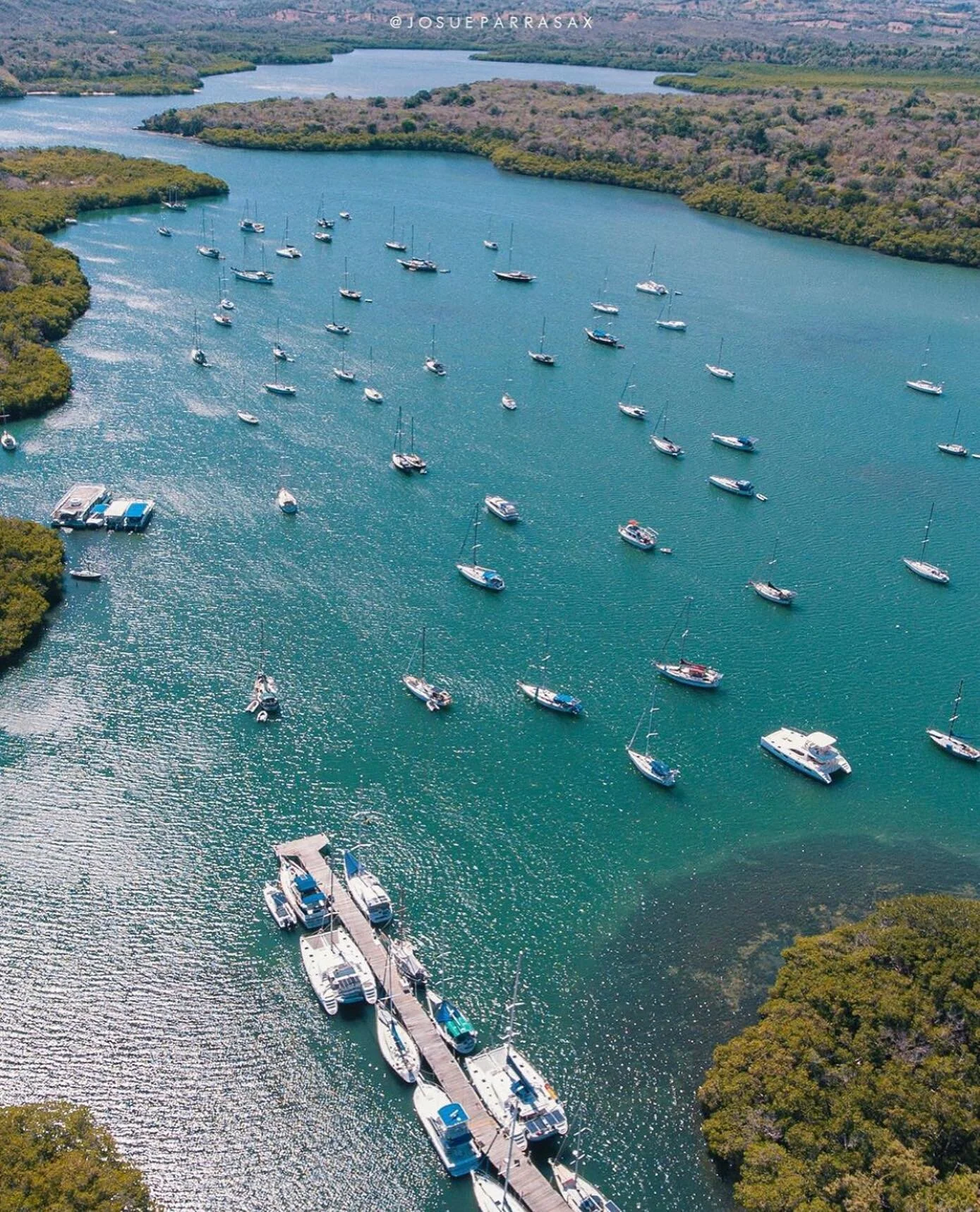
We came to the end of Samaná’s sole highway, and views of the ocean disappeared as we turned off at the sign for the village of La Guázuma. Walking into the seven-key Casa El Paraíso, we were plunged into a kind of miniature nature reserve, with fruit trees, palms, and purple Mexican petunias framing a narrow stone path. Butterflies circled my legs, and cicadas echoed off the timber walls. We reached an open-air lounge with sculptures and Balinese-style wooden furniture set against the panorama of Samaná Bay.
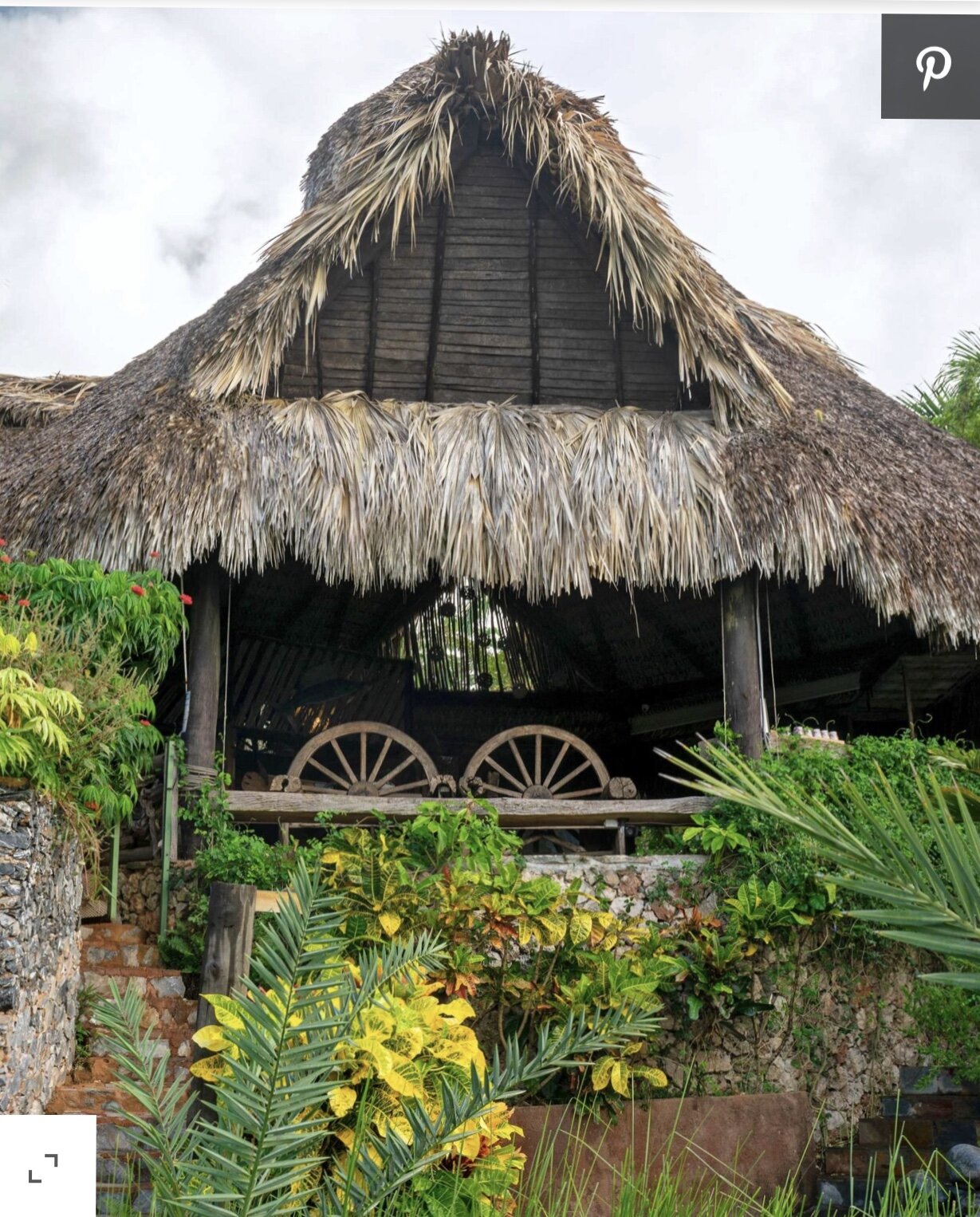
José Raúl Nova — a respected Santo Domingo veterinarian who tended to the pets of the late Oscar de la Renta — initially built the property as a vacation home. Nova showed us around the botanical paradise, which he and his wife, Nora Mejía, transformed into an eco-hotel two years ago. Its high-ceilinged thatched bungalows were inspired by the owners’ travels: the nautical Marina, where de la Renta once stayed; Casita Dominicana, with furniture made of repurposed wood; Marruecos, their newest addition, full of custom-made Moroccan textiles and ceramics. All are open on one side, with wide views of the bay acting as a fourth wall. “There are no room keys,” Nova told us. “Nature herself makes you feel protected here.”
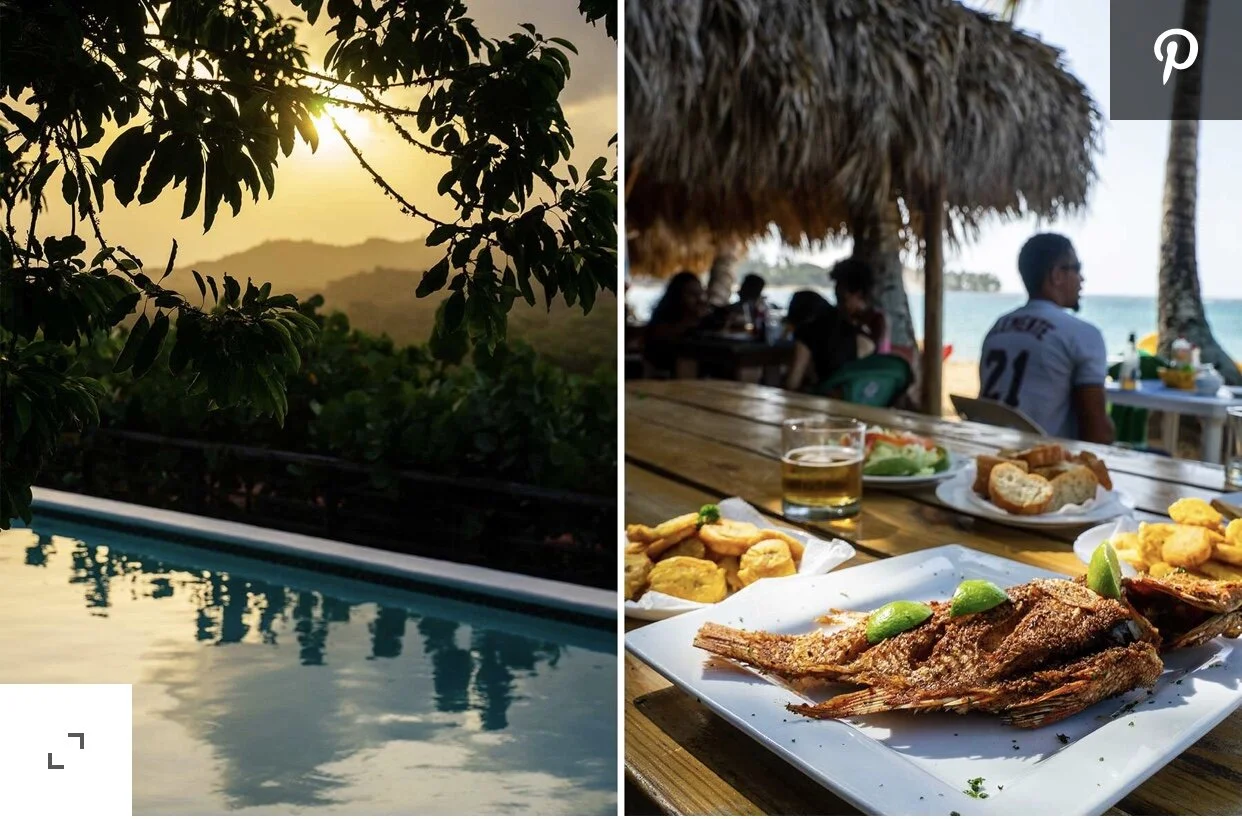
We ordered our dinner to the sandy poolside lounge, where chef Mirko Casagrande arrived with a lionfish tartare. “We want to show that the DR has a different side,” he said, joining our conversation. “A rich natural side, with rivers, beaches, and mountains.” Casagrande hails from Milan, but settled in Las Galeras 20 years ago. His passion for the country shines in his cooking: grilled lobster with farro, avocado, and mango; octopus with honey and ginger; grilled vegetables from the garden, where free-range chickens wander among pumpkins, plantains, and cassava. “My kitchen is one hundred percent sustainable,” explained the chef, who decided to serve the invasive — and highly destructive — lionfish once lobster season ended. “For me, serving lionfish is an honor, because I’m doing good for the environment.”
After morning thunderstorms canceled our plans to hike the seven-beach trail, Luis and I opted for a drive to Aventura Rincón Ecolodge, winding past overgrown, palm-dotted fields and pastel shacks. This innovative solar-powered property and organic farm looks like a rambling garden, with five cabins inspired by Dominican campo life.
“We promote going back to your roots,” said Orquídea Susana, who at the time was overseeing the property’s permaculture initiatives. That means heirloom seeds, organic methods, and cooking what’s seasonal. She showed us vanilla, turmeric, cacao, taro, and papaya. “We have local varieties of fruit, like piña pan de azúcar,” Susana told us. “It tastes like sugar.” Thunder forced us to pick up our pace, though I was tempted to linger among the tall shoots of cranberry hibiscus.
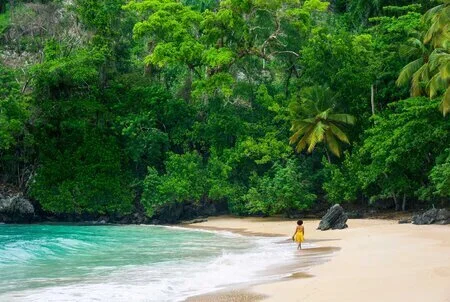
Our colorful lunch spread included snapdragon tea and a salad of fresh-picked mizuna, avocado, and hibiscus, garnished with edible flowers. For dessert: slices of the local sweet pineapple and jalao, a baked coconut candy. As we walked it all off at nearby Playa Colorada, we didn’t see a soul.
This story first appeared in the December 2020 issue of Travel + Leisure under the headline "On the Wild Side."