Dominican Republic- Haiti crisis dominates agenda of Euro-Latin American Assembly

Santo Domingo.- The Euro-Latin American Interparliamentary Assembly (EuroLat), convening legislators from participating countries, including its first-ever session in the Dominican Republic, has placed the Haitian crisis and the conflict concerning the Masacre River diversion canal on its agenda as a “special point.”

Amado Cerrud, the Assembly’s Latin American president, emphasized that the Haitian issue would be discussed across various permanent commissions during the international meeting to address it comprehensively, as the crisis has regional implications beyond Haiti.

Senator Faride Raful initiated this international assembly, aiming to establish forums for discussing common topics between Latin and European countries, such as migration, cybersecurity, climate, food security, health, inflation, and food supply chains.

During the assembly’s opening ceremony, Ricardo de los Santos, President of the Dominican Senate, appreciated the United Nations Security Council’s decision to deploy a military force in Haiti. He emphasized that the Dominican Republic has been highly supportive of Haiti, but the crisis requires an international community effort, stating that “stability in Haiti is the responsibility of the international community.”

Vice President Raquel Peña, representing the Executive Branch at the assembly, indicated that the Dominican government has never ruled out the possibility of dialogue with Haiti. She stressed that the government proposed dialogue concerning the Massacre River conflict before implementing restrictive measures. Peña stated that the dialogue remains open.

Amado Cerrud, the co-president of EuroLat, condemned the idea of using walls or draconian laws to stop the flow of Haitians into the Dominican Republic. He called for a broader discussion on the issue involving the opinions of all Latin American countries through EuroLat.

The Dominican Republic was the third recipient of remittances in Latin America and the Caribbean in 2022

Santo Domingo.- In 2022, the Dominican Republic received a significant $10.3 billion in remittances, ranking third among the primary recipients of these remittance flows in Latin America and the Caribbean. This ranking placed the Dominican Republic behind Guatemala, which received $18.1 billion (12.4% of the total), and Mexico, leading the region with $61.1 billion (41.9%), and second globally only to India.

The growth of remittances in the Latin American and Caribbean region has been substantial, with the region receiving a total of $146 billion in remittances in 2022. This increase has been attributed to the recovery of foreign employment in the United States, starting in January 2020, among other factors.

Remarkably, Latin America and the Caribbean have become one of the major destinations for remittances globally, trailing only South Asia among emerging markets. Over the past decade, the region has experienced the fastest growth in remittance flows, making them a crucial financial resource for many of its countries.

In the case of the Dominican Republic, these remittances amounted to $10.3 billion in 2022, representing 7% of the region’s total and contributing 9% to the country’s Gross Domestic Product (GDP).

However, the World Bank expresses concerns about the high percentage of GDP that remittances represent in recipient countries, particularly in Central America, where the median is 19.1%, and the Caribbean, with a median of 6.4%. This concern stems from the volatility of these flows and their impact on both receiving and sending countries, as seen during the COVID-19 pandemic.

In the Dominican Republic, remittances play a significant role, representing 40% of income in impoverished households and contributing 9% to national income as of September 2022, according to World Bank data.

While remittances have been a lifeline for many households in the region, their high share of GDP raises questions about the competitiveness of other sectors. In Mexico, the largest recipient of remittances, these transfers account for 4.3% of national income.

Despite the importance of remittances, the region has undergone macroeconomic reforms in recent decades to enhance resilience in the face of crises, such as inflationary pressures, geopolitical uncertainties, low commodity prices, and increased debt. Poverty and employment have generally returned to pre-crisis levels, and inflation, except for Argentina and Venezuela, has dropped to a regional average of 4.4%, lower than OECD countries, as reported in early October by the World Bank.

Alessandra Melendez Berry to represent the Dominican Republic at Miss Globe 2023 pageant, Tirana, Albania November 17

Punta Cana, DR- Alessandra Melendez Berry has been selected to represent the Dominican Republic at the ”Miss Globe 2023″ pageant. The prestigious event will take place in the historic city of Tirana, Albania, on November 17, 2023.

Jasol Cabral, executive director of Jamicabe Productions, serves as the national director of the pageant in the Dominican Republic and has selected the country’s representative candidate for the past two decades. I chose the Punta Cana Candidate, Alessandra Melendez Berry, for her experience as a model and queen, as she has represented us with dignity and success in other prestigious international pageants in Italy and Turkey,” he said. She is an intelligent, talented, sympathetic, and beautiful lady inside and out.

In this beauty contest, they will also have to show a talent. Alessandra will play and sing guitar. Another challenge in which they have to participate is the popular vote to raise funds. You can support and vote for our candidate. Go to www.themissglobe.com, choose the Dominican Republic, and vote for our candidate!
As of this writing, our candidate is in second place in the popular vote; keep the votes coming!

Alessandra Melendez Berry will wear our great Dominican designers like Giannina Azar and Melkis Diaz.

In August 2020, during the pandemic confinements, Melendez Berry moved to the Dominican Republic with her family. She quickly connected with Nileny Dippton, the modeling coach and CEO of Nefer Models, who immediately saw her raw talent and potential.

Under Dippton’s tutelage, the Dominican-Scottish model took the fashion industry by storm in her 2021 debut, becoming the official face of RD Fashion Week, where she walked for Versa, Paraca, Miguel Genao, Tiffany Fermin, and featured designer Giannina Azar, who also invited her to grace the stage of her LA Fashion Week show.

Meléndez Berry is studying at IFA (International Fashion Academy in Paris while simultaneously preparing for her participation in Turkey.

I am proud to represent my country at Miss Globe 2023. It is a dream to share with 60 candidates from all over the world and highlight our country,” said Melendez Berry.

The Miss Globe was founded in 2003 and is one of the most renowned pageants in the world. It is celebrating its 20th year of being formed by the European Deliart Association, highlighting the arts.

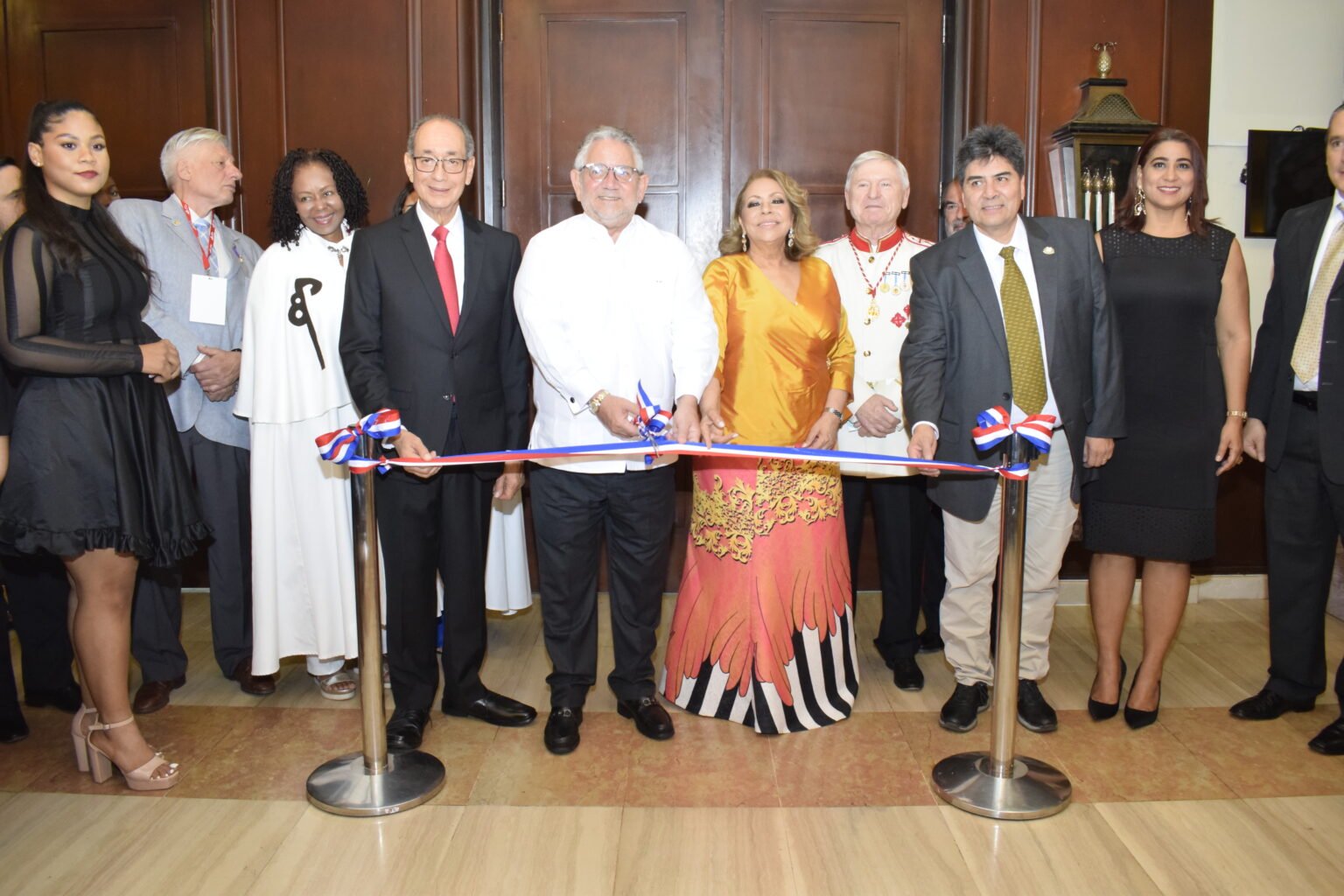
XXVII edition of the Caribbean Tourist Exchange opens

The XXVII Edition of the Caribbean Tourist Exchange is set to take place from October 26 to 28, providing a platform for the promotion and marketing of tourist offerings and products across the Caribbean region. This event serves as a valuable opportunity to strengthen and facilitate commercial exchanges between various stakeholders in the tourism industry, including both public and private entities.

This edition of the exchange will feature representatives from several countries in the region, including delegations from Curaçao’s Ministry of Tourism, El Salvador’s Tourism Corporation (Corsatur), Colombia with the Salt Cathedral of Zipaquirá, hotel companies, travel agencies, and tour operators from Cartagena de Indias. Additionally, travel agencies and tour operators from Guatemala, Mexico, Ecuador, Argentina, and Peru will participate.

The event’s program will include various activities such as business roundtables, presentations of tourist products, gastronomic tastings, and more. Some highlights include conferences presented by the Federation of Dominican International Business Women (FEM) and the National Association of Executive and Professional Business Women (ANMEPRO), as well as presentations from Air Century aimed at travel agents and tour operators.

Notable conferences will cover topics like the Master Plan for sustainable development of Pedernales Cabo Rojo, initiation routes of the Camino de Santiago, accessible tourism and sign language, among others. Additionally, there will be activities like the Wedding Workshop in Beach Hotels, a Craft Exhibition promoting the country’s brand, and a parade of Chabacanas designed by prominent Dominican designers, organized by ACHADOM.

The success of this event is attributed to the support of the Ministry of Tourism (Mitur), Banreservas, and all sponsors and collaborators who contribute to its execution. It offers a unique opportunity for networking and promoting t

Flair Airlines lands in the Dominican Republic with more than 5 weekly flights to Punta Cana

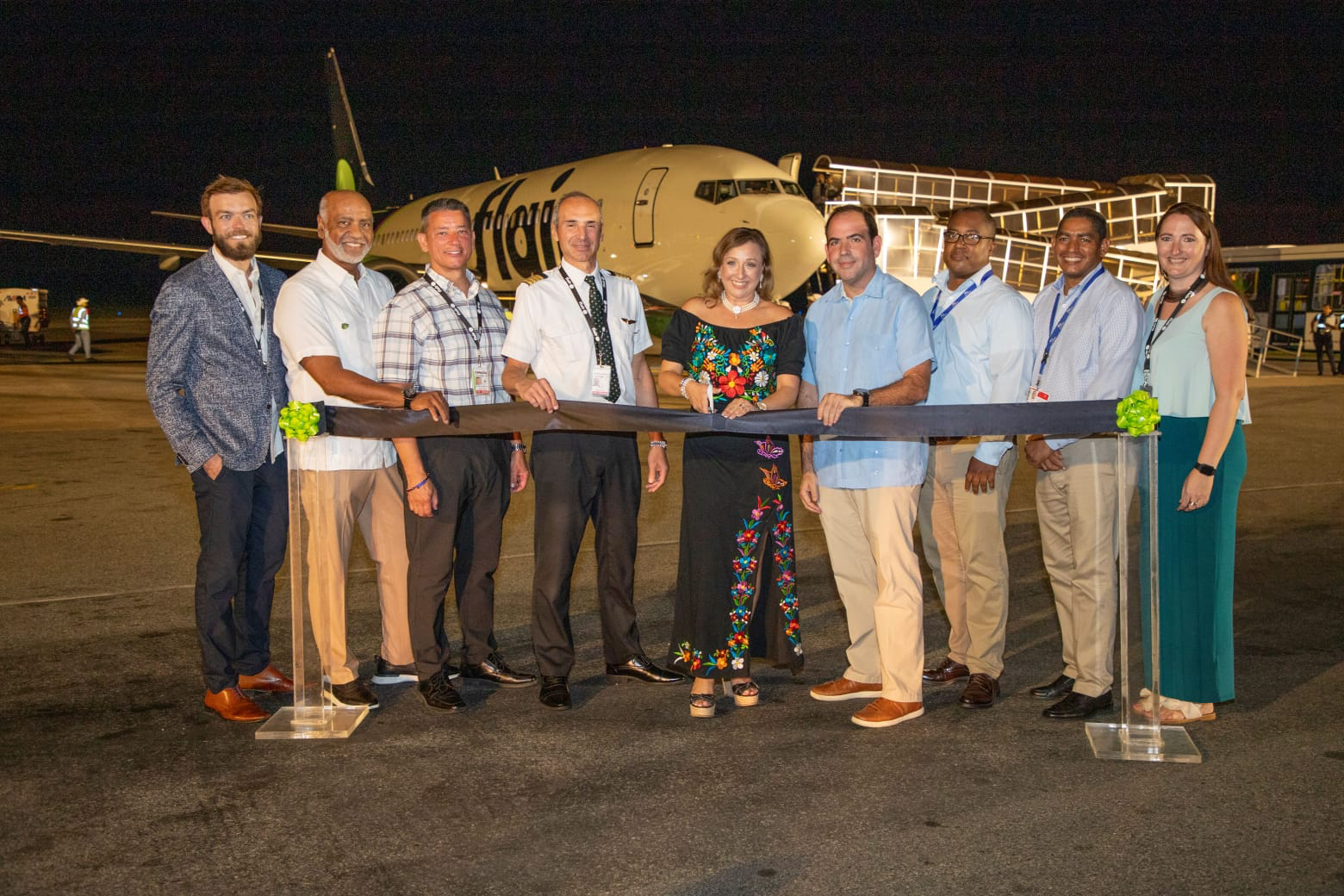
Flair Airlines, a Canadian airline known for its affordable fares, has introduced its service in the Dominican Republic with the launch of its Toronto – Punta Cana route. This inaugural flight marks the beginning of direct flights between Toronto Pearson International Airport (YYZ) and Punta Cana International Airport (PUJ). Initially, the route will offer more than five weekly flights, increasing to daily service on December 18.

In addition to the Toronto-Punta Cana route, Flair Airlines will also introduce a second route from Ottawa International Airport (YOW) to Punta Cana International Airport on December 23, with twice-weekly service.

Stephen Jones, the president and CEO of Flair Airlines, expressed excitement about this milestone, stating that they are thrilled to offer Canadians an affordable and exciting destination. Expanding their network in the Caribbean is a significant part of their growth strategy, and they look forward to welcoming travelers on board for a sun-soaked getaway in Punta Cana.

Giovanni Rainieri, director of Air Operations at the Punta Cana International Airport, expressed gratitude to Flair Airlines for choosing their airport as part of their expansion plans. He hopes that these new direct routes from Toronto and Ottawa will promote tourism and economic growth between Canada and the Dominican Republic, allowing Canadian passengers to experience the Dominican culture and its people from the moment they arrive.

One-way tickets, including fees and taxes, start at $150 for flights from Toronto and Ottawa. However, availability for these rates is limited, so travelers should plan accordingly.

Cabo Rojo tourism project secures more than 2,000 jobs

Pedernales, DR—

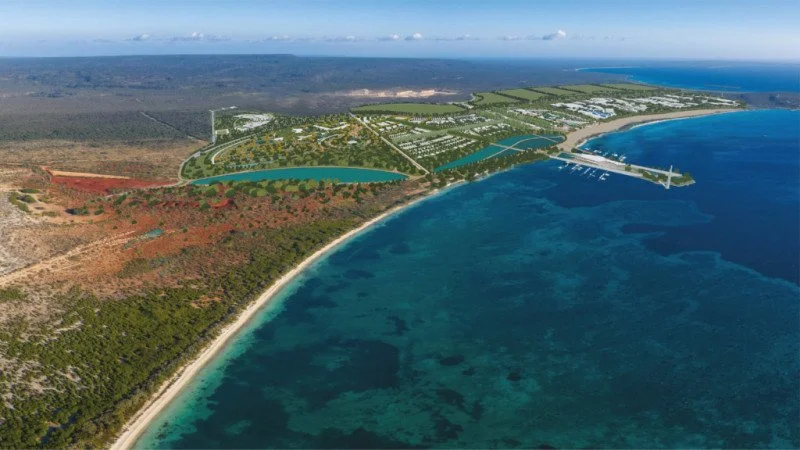
The Spanish-owned hotel chain Iberostar, which will operate the first hotel to be built in Cabo Rojo, with 580 rooms, assured the generation of 2,000 jobs of the 15,000 jobs that could be generated by the Pedernales Tourism Development Project through the public-private partnership modality, under the responsibility of the Pro-Pedernales Trust.

The information was offered after the public hearing for the Environmental License of the hotels in the hall of the Governor’s Office, with the presence of Governor Altagracia Brea de González.

According to estimates, it is expected that within the ten hotel constructions that are part of the tourism project, the remodeling of the Cabo Rojo pier, goods, and services, the province of Pedernales will generate a lot of labor, which is currently lacking.

According to the progress in the construction of the hotels, some rooms could be available for the arrival of the first cruise ship, which was announced on December 18 of this year and will mark a milestone in the history of this impoverished southern community.

PUBLIC HEARING
The public hearing held last Tuesday at the Governor’s Office had an agenda in which at the protocol table the engineer Jaime E. Lokward, who presented the project; Brainer Féliz, representative of the Pro-Pedernales Trust, and Danneris Santana, for the Environment. There was a space for participants’ questions and project hosts’ answers.

PROJECT
The Pro-Pedernales project aims to turn this province and surrounding areas into a leading world destination in conservation tourism and a model of sustainable development in the entire Caribbean and Central American region, promoting responsible tourism in compliance with Agenda 2030 and taking care of the proper conservation of Jaragua National Park, Sierra de Bahoruco National Park, protected areas of Playa Bahía de las Águilas, Cabo Rojo wetlands, Playa Larga, Playa Blanca, Salados and existing mangroves.

The Pedernales area has between 68% and 66% of protected areas, and its territory has a wide diversity that the United Nations observes.

LEARN MORE
TOURISM PEDERNALES
Pedernales is a southern province located on the border with Haiti. It is considered a nature sanctuary, so activities focus on ecotourism.

ATTRACTIONS
The beach of Bahía de las Águilas is a great attraction, although others have great beauty, rivers, mountains, and adventure trails.

CRUISES
The current government has announced that the first tourist cruise ship will arrive in Cabo Rojo, Pedernales, in December.

The construction of hotels in Cabo Rojo and the pier are a source of new jobs in the area.

Airline breakthrough places the country as a benchmark in the region

Santo Domingo.- In the last 50 years, airlines in the Dominican Republic have undergone a significant transformation in different aspects and lines, which has made the sector a reference in the country and Latin America.

From its beginnings to the present, the commercial and private aviation sector has evolved, adapting to the changing needs of society, the economy, and tourism.

Delving into the history and development of airlines in the Dominican Republic over the past decades, we highlight the most important contributions and how they have influenced connectivity and the tourism industry.

During the first stage in the 1970s-1980s and up to the 1990s, airlines in the Dominican Republic were characterized by a dizzying growth driven by the demand for air travel, mainly for tourism and commerce.

The country’s flag carrier, Aerolineas Dominicanas (ALD), played a central role in this initial phase, establishing regional and international connections to key destinations.

1990-2000 is when the national airlines achieved significant consolidation and a firmer level of competition in international markets.

The 1990s saw the opening and liberalization of the aviation market in the Dominican Republic, which resulted in the entry of new national and international airlines. This competition generated an improvement in the quality of the services offered, as well as in the diversification of routes and destinations.

It is essential to highlight that the growth and expansion of tourism in the 2000-2010 period allowed airlines to develop in parallel.

In that order, there was an increase in the number of airlines connecting the country with critical international destinations, especially in North America, Europe, Latin America, and the Caribbean.

Sustainable development and current trend

In the period from 2010 to 2023 in the sector, there has been visible and sustainable development, with an emphasis on operational efficiency.

Initiatives have been implemented to reduce the carbon footprint and improve resource management. Also, incorporating advanced technologies and digitalization has improved passenger flying experience and efficiency in operations.

The development of airlines in the Dominican Republic over the last 50 years has been marked by significant evolution. The sector’s growth does not stop with integrating new Dominican-registered commercial airlines that have emerged in recent years, making inroads into the domestic and international passenger and cargo market.

Airline bankruptcies

Several Dominican-registered passenger and cargo airlines have gone bankrupt in the last decades, leaving many with large debts and economic commitments with national and international organizations regulating commercial aviation.

Among the passenger airlines that declared bankruptcy is the only state-owned passenger transportation company, Dominicana de Aviación (CDA), whose advertising slogan was “The National Flag Airline” of the country.

CDA started operations in 1944 and stopped flying in 1997. It had a fleet of eight aircraft, including a Jumbo 747, some of which were sold, and others in good condition were dismantled for parts and turned into scrap. Some of them ended up abandoned at the Las Americas International Airport, and the final destination of others is unknown.

As a result of the bankruptcy of Dominicana de Aviación, several people who were part of its administration were brought to justice. In the meantime, people questioned where most of the assets of the state-owned company went, including airplane turbines, passenger stairs, vehicles, and other properties.

Political patronage was a determining factor in the bankruptcy and disappearance of the state airline.

Many officials, their mistresses, relatives, politicians, and their close friends frequently traveled with tickets given to them by the airline’s management. They did so to different destinations where CDA operated regular flights from Dominican airports.

Pawa Dominicana is another Dominican airline that has disappeared, whose operations were paralyzed due to the lack of payments to the Dominican State after declaring its economic insolvency. The aircraft of this company were retained by the courts and by the Dominican State and then auctioned.

Even a few years ago, other aircraft of this airline remained outdoors in the northwest area of the ramp of the Las Americas International Airport, receiving water, sun, and serenity in a complete state of abandonment.

Pawa Dominicana, which was sold commercially like CDA as a National Flag airline, operated flights to different countries from the Las Americas terminal.

Others that ceased operations

Aerovía Quisqueyana, a Dominican airline, also defunct, operated Santo Domingo-San Juan, Puerto Rico, Aruba, and Curacao routes. It became a competitor of Dominicana de Aviación, and its air operations were maintained between 1960 and 1980.

Aeromar, which began operating as a cargo airline in 1962 and later ventured into passenger transportation from 1999 to 2004, when it ceased operations due to high operational costs and a decrease in the number of seats, should also be mentioned.

In the list of passenger airlines that have disappeared from the market are Air Atlantic, Air Santo Domingo, Alas Nacionales, and Air Ámbar, which covered the route Puerto Plata, Cancun, Mexico, Dominair, which operated flights Santo Domingo-San Juan and Antigua, respectively, and Alas del Caribe.

There are also Aero Continente, a subsidiary of Peruana de Aviación; Lan Dominicana, a subsidiary of Lan Chile; Aerotur Dominicana, Tasa Airlines, and Dominicana Internacional, among other passenger airlines, as well as cargo airlines such as Taíno Airlines, Argo Air, Agro, Carga Aéreo Dominicano, Trado and Aerochago, among others that were widely known.

It is important to note that most of the airlines, both passenger and cargo, went bankrupt when the United States imposed category two in civil aviation to the country under the argument of the lack of safety of Dominican-registered airplanes.

However, in 2007, the Dominican Republic regained category one status after 14 years in which it remained in that position, which prevented Dominican-registered aircraft from flying into U.S. territory.

At the time the United States decided to prohibit the incursion of Dominican-registered airplanes into its territory due to lack of security, a considerable percentage of operations were registered precisely to U.S. territory and Puerto Rico, both in terms of passengers and cargo transportation.

Growth

It is worth mentioning the growth of the sector with the advance of airlines such as Air Century, Sky High, World 2 Fly, Neos, Red Air, and the most recent Arajet, which have been well accepted by the population, endorsed by their efficiency and punctuality in the departure and arrival of their flights. In addition, they operate with modern aircraft fleets to the requirements of the sector’s international regulatory agencies.

These airlines have operated routes to Havana, Cuba; Oranjestad, Aruba; Willemstad, Curacao; Philipsburg, Saint Marteen; Cartagena, Colombia; San Juan, Puerto Rico; Maracaibo, Venezuela; Valencia, Spain; Montego Bay, Jamaica; and New York, United States.


U.S. Embassy to invest US$75,000 in MESCyT English immersion program

Santo Domingo.- The U.S. Embassy in Santo Domingo and the Instituto Cultural Domínico-Americano (ICDA) held the third meeting of the Working Group for the Advancement of English in the Dominican Republic, in which teachers, administrators, and other key leaders of Dominican society related to English language teaching collaborate.

This last meeting featured keynote remarks by Franklin García Fermín, Minister of Higher Education, Science and Technology, and the Chargé d’Affaires of the U.S. Embassy, Patricia Aguilera, who announced that the U.S. Embassy will invest US$75,000.00 to MESCyT for the English Immersion program.

This investment will be dedicated to the hiring of U.S. experts to provide accompaniment, teacher training, and design didactic materials for the success of this program.

This working group is a collaboration platform for these key actors to continue strengthening the quality of English language teaching at the national level through high-impact projects.

The theme of the meeting “The Role of Higher Education in the Quality of English Language Teaching” was presented by Miguel Mariñez, with the participation of English teachers and technicians from the public and private sectors from different educational regions.

In her opening remarks, Aguilera, Chargé d’Affaires of the U.S. Embassy emphasized that “we want to continue working to reduce the socioeconomic inequality gap by empowering young people through education, specifically in English, and working closely with key partners”.

He also indicated that “the U.S. Embassy will invest US$75,000.00 in the English Immersion Program developed by MESCyT and will provide U.S. experts to provide support, teacher training, and develop teaching materials for the success of this program”.

García Fermin highlighted the importance of English from different perspectives. In his words, he emphasized that “this language [English] favors universities that promote and develop advanced English programs, because it is a plus that places them in important positions in national and international evaluations”.

According to a note from the embassy, this profitable meeting highlighted the investment of the U.S. government in Dominican education through the teaching of English, a positive impact on the economic progress of the country. To date, the Ministry of Education (MINERD), the Ministry of Higher Education, Science and Technology (MESCyT) and other government institutions and educational NGOs have invested more than US$1.5 million in teacher training programs, materials development and other projects.

The English Working Group is composed of representatives of the ICDA, the Instituto Técnico Superior Comunitario, the Universidad Autónoma de Santo Domingo, APEC University, the Instituto Nacional para la Capacitación y Formación del Magisterio (INAFOCAM), Universidad Pedro Henriquez Ureña (UNPHU), and other local institutions and the industrial sector, the Contact Center Cluster and BPOs.

Working Table for the Advancement of English

This is a high-level initiative of the U.S. Embassy in Santo Domingo together with the Dominican-American Cultural Institute to connect relevant institutions in the dialogue of English language teaching in the Dominican Republic in the public, private and civil society sectors, through periodic meetings with collaborative activities. This Working Group promotes initiatives to continue supporting the work of teachers to ensure that every Dominican student can learn English for their personal and professional development.

Air Caraïbes returns to Santo Domingo with twice-weekly flights from Paris

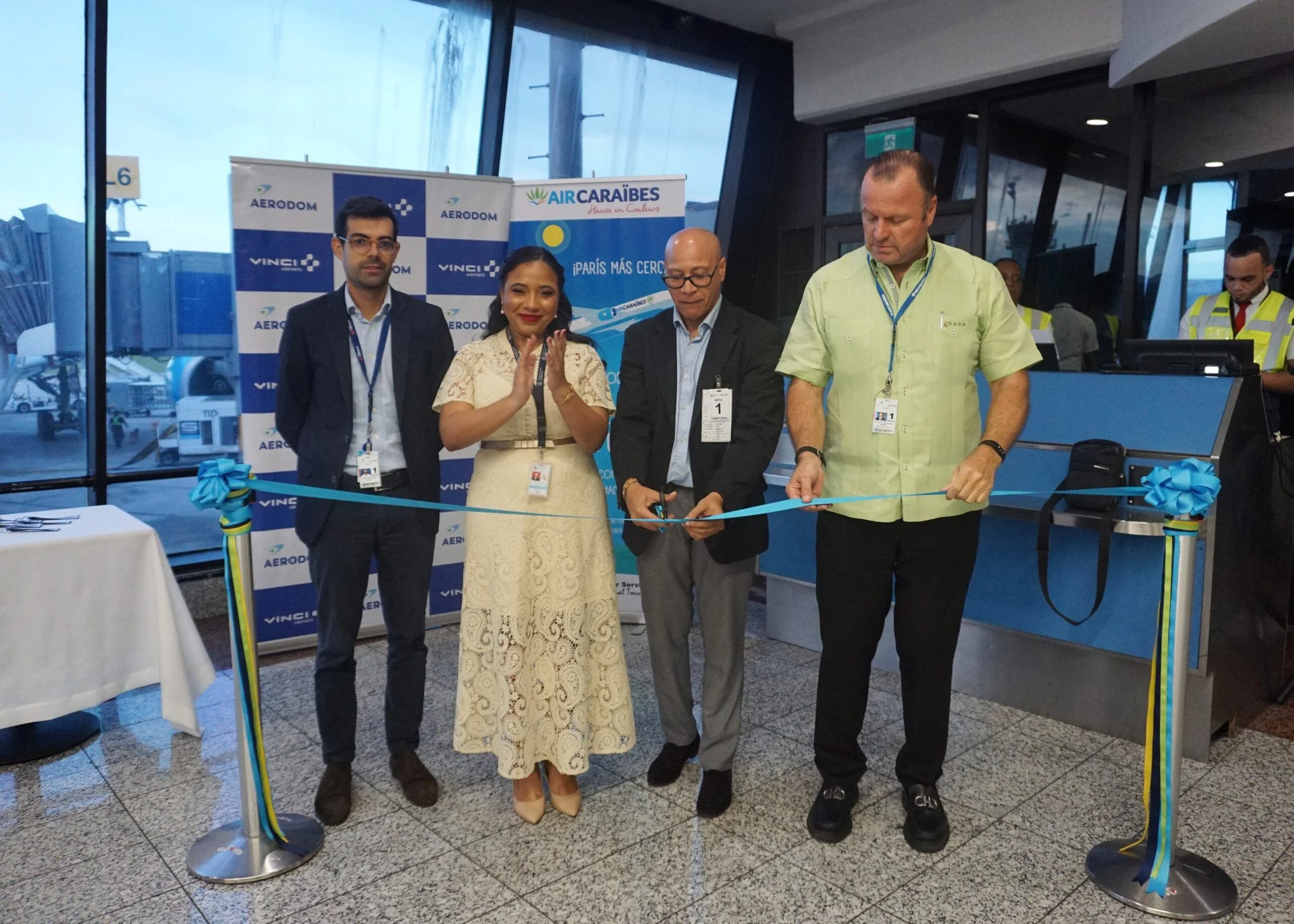
Air Caraïbes returned to Santo Domingo, offering up to 6,000 weekly seats in 3 classes. The airline arrived at the International Airport of the Americas (AILA) with the A350-900 aircraft on its inaugural flight.

Operations will be carried out with stopovers in Port-Au-Prince (PAP), Haiti, and San Salvador (ZSA), Bahamas. All flights will be operated on Airbus A350-900 aircraft, with a capacity for 389 passengers.

Air Caraïbes flight schedule in Santo Domingo
With a technical stop in Port-Au-Prince (POP), Haiti.

Paris – Santo Domingo Flight TX 554 ORY 10:15 – 17:05 SDQ / Monday.
Santo Domingo – Paris Flight TX 544 SDQ 19:15 – 08:40 (+1) ORY / Monday.
With technical stop in San Salvador (ZSA), Bahamas.

Paris – Santo Domingo Flight TX 560 ORY 10:05 – 17:20 SDQ / Thursday.
Santo Domingo – Paris Flight TX 560 SDQ 19:30 – 08:55 (+1) ORY / Thursday.

Gustavo A. de Hostos, legal representative and CEO of General Air Services, thanked the Dominican Government, the airline’s top executives, and the Aeropuertos Dominicanos Siglo XXI (Aerodom) team.

“I am grateful for the support offered personally by President Luis Abinader, Minister David Collado, Vice Minister Tammy Reynoso, the director of the promotion office in France, Mercedes Castillo and our ambassador in Paris H.E. Rosa Hernández de Grullón,” he reiterated.

He also thanked the airline’s top executives Marc Rochet and Edmond Richard, responsible for the initial negotiations and its new leaders, Christine Ourmières-Widener CEO, Brannon Winn, CCO of the airline’s top management, and the French ambassador to the Dominican Republic H.E. Eric Fournier”.

He explained that “Dominicans once again have direct flights to Paris, France from Santo Domingo and an excellent gateway to Europe.”

Meanwhile, Aerodom said, “It is with great pleasure that we welcome Air Caraïbes again at the José Fco. Peña Gómez International Airport of the Americas, as it resumes its Santo Domingo – Paris route in a modern A350-900 aircraft.

It is recalled that Air Caraibes currently operates three weekly flights from Paris/Orly (ORY) to Punta Cana (PUJ). On October 20, it increased the frequency to five weekly flights, and, as of December 14, a daily flight will be offered.

Hyatt to open Secrets Playa Esmeralda in Punta Cana next year

Punta Cana.- Hyatt Hotels Corporation is beaming with pride over its ongoing expansion endeavors, particularly in the Caribbean, where it’s making significant strides. The hotel chain has unveiled its plans for property openings at the end of 2023 and in 2024 in Punta Cana, Dominican Republic: the Secrets Playa Esmeralda and the Dreams Playa Esmeralda.

These developments represent a substantial investment of US$400 million and will collectively contribute a thousand rooms to the hotel offerings, including 750 rooms and suites and an additional 250 exclusively reserved for Preferred Club guests.

The Secrets Playa Esmeralda will feature four bars, four snack bars, and a dedicated lounge for Preferred Club members. On the other hand, the Dreams Playa Esmeralda will cater to families, offering three snack bars, four bars, a Preferred Club lounge, an Explorer’s Club area with activities for children aged 3 to 12, The Core Zone, and a club with entertainment for young people aged 13 to 17.

These properties fall under the Inclusive Collection, known for its all-inclusive, adults-only luxury resorts.

In Mexico, Hyatt is set to open several properties, including the Secrets Tulum Resort & Beach Club, Secrets Playa Blanca Costa Mujeres, the family-friendly Dreams Estrella Del Mar Mazatlán Golf & Spa Resort, and Dreams Grand Island in Cancun. Additionally, they will debut the Hyatt Vivid Hotels & Resorts brand with the Hyatt Vivid Grand Island in Cancun.

Erica Doyne, Senior Vice President of Global Marketing and Communications at Inclusive Collection, Hyatt, expressed, “Inclusive Collection’s sustained growth in the Americas is a strong testament to the value and opportunity of the all-inclusive segment.” She further noted, “We continue to evolve and innovate to meet guest demand, as evidenced by the recent launch of Impression by Secrets, designed to offer an elevated level of all-inclusive luxury amenities and personalized services.”

Airline breakthrough places the country as a benchmark in the region

SANTO DOMINGO, DR— In the last 50 years, airlines in the Dominican Republic have undergone a significant transformation in different aspects and lines, which has made the sector a reference in the country and Latin America.

From its beginnings to the present, the commercial and private aviation sector has evolved, adapting to the changing needs of society, the economy, and tourism.

Delving into the history and development of airlines in the Dominican Republic over the past decades, we highlight the most important contributions and how they have influenced connectivity and the tourism industry.

During the first stage in the 1970s-1980s and up to the 1990s, airlines in the Dominican Republic were characterized by a dizzying growth driven by the demand for air travel, mainly for tourism and commerce.

The country’s flag carrier, Aerolineas Dominicanas (ALD), played a central role in this initial phase, establishing regional and international connections to key destinations.

1990-2000 is when the national airlines achieved significant consolidation and a firmer level of competition in international markets.

The 1990s saw the opening and liberalization of the aviation market in the Dominican Republic, which resulted in the entry of new national and international airlines. This competition generated an improvement in the quality of the services offered, as well as in the diversification of routes and destinations.

It is essential to highlight that the growth and expansion of tourism in the 2000-2010 period allowed airlines to develop in parallel.

In that order, there was an increase in the number of airlines connecting the country with critical international destinations, especially in North America, Europe, Latin America, and the Caribbean.

Sustainable development and current trend

In the period from 2010 to 2023 in the sector, there has been visible and sustainable development, with an emphasis on operational efficiency.

Initiatives have been implemented to reduce the carbon footprint and improve resource management. Also, incorporating advanced technologies and digitalization has improved passenger flying experience and efficiency in operations.

The development of airlines in the Dominican Republic over the last 50 years has been marked by significant evolution. The sector’s growth does not stop with integrating new Dominican-registered commercial airlines that have emerged in recent years, making inroads into the domestic and international passenger and cargo market.

Airline bankruptcies

Several Dominican-registered passenger and cargo airlines have gone bankrupt in the last decades, leaving many with large debts and economic commitments with national and international organizations regulating commercial aviation.

Among the passenger airlines that declared bankruptcy is the only state-owned passenger transportation company, Dominicana de Aviación (CDA), whose advertising slogan was “The National Flag Airline” of the country.

CDA started operations in 1944 and stopped flying in 1997. It had a fleet of eight aircraft, including a Jumbo 747, some of which were sold, and others in good condition were dismantled for parts and turned into scrap. Some of them ended up abandoned at the Las Americas International Airport, and the final destination of others is unknown.

As a result of the bankruptcy of Dominicana de Aviación, several people who were part of its administration were brought to justice. In the meantime, people questioned where most of the assets of the state-owned company went, including airplane turbines, passenger stairs, vehicles, and other properties.

Political patronage was a determining factor in the bankruptcy and disappearance of the state airline.

Many officials, their mistresses, relatives, politicians, and their close friends frequently traveled with tickets given to them by the airline’s management. They did so to different destinations where CDA operated regular flights from Dominican airports.

Pawa Dominicana is another Dominican airline that has disappeared, whose operations were paralyzed due to the lack of payments to the Dominican State after declaring its economic insolvency. The aircraft of this company were retained by the courts and by the Dominican State and then auctioned.

Even a few years ago, other aircraft of this airline remained outdoors in the northwest area of the ramp of the Las Americas International Airport, receiving water, sun, and serenity in a complete state of abandonment.

Pawa Dominicana, which was sold commercially like CDA as a National Flag airline, operated flights to different countries from the Las Americas terminal.

Others that ceased operations

Aerovía Quisqueyana, a Dominican airline, also defunct, operated Santo Domingo-San Juan, Puerto Rico, Aruba, and Curacao routes. It became a competitor of Dominicana de Aviación, and its air operations were maintained between 1960 and 1980.

Aeromar, which began operating as a cargo airline in 1962 and later ventured into passenger transportation from 1999 to 2004, when it ceased operations due to high operational costs and a decrease in the number of seats, should also be mentioned.

In the list of passenger airlines that have disappeared from the market are Air Atlantic, Air Santo Domingo, Alas Nacionales, and Air Ámbar, which covered the route Puerto Plata, Cancun, Mexico, Dominair, which operated flights Santo Domingo-San Juan and Antigua, respectively, and Alas del Caribe.

There are also Aero Continente, a subsidiary of Peruana de Aviación; Lan Dominicana, a subsidiary of Lan Chile; Aerotur Dominicana, Tasa Airlines, and Dominicana Internacional, among other passenger airlines, as well as cargo airlines such as Taíno Airlines, Argo Air, Agro, Carga Aéreo Dominicano, Trado and Aerochago, among others that were widely known.

It is important to note that most of the airlines, both passenger and cargo, went bankrupt when the United States imposed category two in civil aviation to the country under the argument of the lack of safety of Dominican-registered airplanes.

However, in 2007, the Dominican Republic regained category one status after 14 years in which it remained in that position, which prevented Dominican-registered aircraft from flying into U.S. territory.

At the time the United States decided to prohibit the incursion of Dominican-registered airplanes into its territory due to lack of security, a considerable percentage of operations were registered precisely to U.S. territory and Puerto Rico, both in terms of passengers and cargo transportation.

GROWTH
It is worth mentioning the growth of the sector with the advance of airlines such as Air Century, Sky High, World 2 Fly, Neos, Red Air, and the most recent Arajet, which have been well accepted by the population, endorsed by their efficiency and punctuality in the departure and arrival of their flights. In addition, they operate with modern aircraft fleets to the requirements of the sector’s international regulatory agencies.

These airlines have operated routes to Havana, Cuba; Oranjestad, Aruba; Willemstad, Curacao; Philipsburg, Saint Marteen; Cartagena, Colombia; San Juan, Puerto Rico; Maracaibo, Venezuela; Valencia, Spain; Montego Bay, Jamaica; and New York, United States.

Health tourism accounts for 3% of visitors to the Dominican Republic

In 2022 alone, the Dominican Republic received, for health tourism, more than 250 thousand patients, doubling the figures reached in 2018. Meanwhile, more than 3% of tourists visiting Dominican territory do so for health and wellness reasons.

This was revealed by Alejandro Cambiaso, president of the Dominican Association of Health Tourism (ADTS), and Amelia Reyes Mora, president of AF Comunicación Estratégica, as they unveiled the details of the 6th International Congress on Health and Wellness Tourism to be held from November 1-3 in Santo Domingo and will bring together more than 40 national and international exhibitors.

The event organizers announced part of the results of the second diagnostic study of health and wellness tourism, which offers updated post-pandemic data, which will be presented in its entirety during the congress.

They explained that the country’s position as a health tourism destination is obtained through international measurements where more than 40 variables are evaluated.

According to Listín Diario, they informed that the local quality seal is being developed and will be issued for centers that fulfill all the qualification requirements to enter health tourism.

Several cocoa projects implemented in Barahona, San Cristóbal and Pedernales

Pedernales—Traditionally, the Dominican Republic has been divided mainly between the North and the South; regional differences have also been expressed in agricultural production. The South has historically been oriented towards coffee, while the North, East, and Northeast are oriented towards cocoa production.

Hecmilio Galván, executive director of the Special Fund for Agricultural Development, has decided to promote several projects that allow the massive planting of cocoa in the South of the country as a way to diversify the production of this region, generate employment and wealth, but above all protect the environment, in addition in this region is also widely promoting coconut, coffee recovery and avocado.

According to Hecmilio Galván, the planting of organic cocoa in the Dominican Republic is a real blessing because this crop creates agroecological and agroforestry farms that protect the vegetation cover of our soils, preserve the water cycle, and also protect biodiversity, accompanied by income to producers due to the secure market for the product.

To encourage the national production of cocoa, the Special Fund for Agricultural Development (FEDA) runs several programs to support cocoa producers in the southern region of the country, which are part of the National Plan for the Transformation and Renewal of the Dominican Cocoa Culture (Tamo en Cacao) implemented by this entity.

IN PEDERNALES
Pedernales is an important point in the government’s development agenda because 13 hotels, a port for cruises, and an international airport are being built there. However, its water sources are limited, so it is necessary to protect the mountainous zones to preserve the water cycle.

Thinking about the tourist future of Pedernales, the FEDA Director is executing a plan to promote the planting of cocoa as a diversification of the coffee and avocado crops produced in the José Francisco Peña Gómez District,

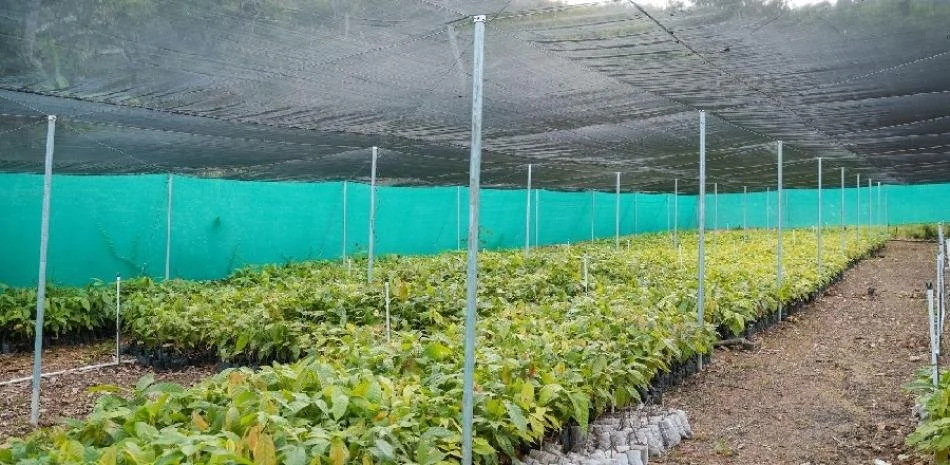
Galvan pointed out that this institution also donated to producers of Pedernales, a nursery of 1,000 square meters for the production of plants that are already in operation, and also donated about 100,000 cocoa plants and tools (picks, shovels, machetes, grills, rakes, and wheelbarrows, among others) to about 200 producers, which are already being planted in the Lomas de Pedernales.

BARAHONA
In Paraíso de Barahona, the institution benefited 300 producers with the construction of a nursery of 1,000 square meters for the production of plants and the construction of a cocoa collection and fermentation center with an investment of close to 14 million pesos, both projects aimed at increasing production and improving the value added of cocoa.

These projects are being executed with the Cooperativa Agropecuaria de Servicios Múltiples del Municipio de Paraíso (COOPAMUPA) and the Cooperativa Agropecuaria de Servicios Múltiples del Suroeste (COOPASURO). FEDA also donated 100,000 cocoa plants, 50,000 bags for the production of plants, tools for pruning and management of cocoa plantations, and tillage tools to the farmers, said Galván.

The official indicated that FEDA technicians gave ten days of training to the cocoa growers of Paraíso and Pedernales, which included instructions on organic fertilization, harvesting, and post-harvesting of cocoa.

IN SAN CRISTOBAL
FEDA is focused on implementing the National Plan for the Transformation and Renovation of Dominican Cocoa Farming (Tamo en Cacao) throughout the national territory and has delivered more than 1,000 agricultural tools to cocoa producers in Villa Altagracia, La Cuchilla, and Medina belonging to San Cristobal.

The institution has also donated over 30,000 seedlings in Villa Altagracia and intends to present 50,000 seedlings in Yaguate, a new cocoa-growing area for the country.

The delivery of the nursery for the production of cocoa plants in Paraiso and Pedernales, where the director of FEDA highlighted the importance of the support projects of this institution to cocoa producers for domestic consumption and export and especially to the environment.

These activities were attended by the Governor of Pedernales, Miriam Brea; the cocoa advisor of the Executive Power, Isidoro de la Rosa; the mayor of Paraíso, Francisco Acosta; the president of COOPASURO, Manolo Guevara; Rafael Beltre, in charge of FEDA Project Follow-up; Rafael Bueno, in charge of Agricultural Technology; Dorka Orquídea González, FEDA provincial director in Barahona; Ramón Emilio Jiménez, FEDA regional director; and Dios Virgilio Uceta, Indocafé regional director.

Puerto Plata appreciates upcoming expansion of American Airlines flights

Puerto Plata.- This coming December, American Airlines will expand flight service to several destinations in the Dominican Republic, highlighting the connections to Puerto Plata from Miami and Charlotte. The latter is a weekly frequency expansion to daily.

In this regard, the president of the board of directors of the Playa Dorada Hotel Association, César José de los Santos, thanked American Airlines for the decision to start a new frequency Miami, Puerto Plata, and the route from Charlotte to Puerto Plata.

He expressed the enthusiasm of the people of Puerto Plata for the initiative during a meeting with the airline’s general manager for the Caribbean and Central America Region, Oliver Bojos, according to a press release.

He indicated his willingness to continue supporting the airline to maintain the flights and to consider other routes to further increase the connectivity of Puerto Plata with important destinations in the United States.

American Airlines Itinerary
Destination Service Dates

Miami Will expand to three daily flights from Dec. 5 – April 3, 2024

Charlotte Will increase to four daily flights from Dec. 5 – April 3, 2024

Dallas/Fort Wort To increase to one flight daily Dec. 21 – April 3, 2024

New York (JFK) To increase to two daily flights Nov. 5 – April 3, 2024

Dominican Republic to receive US$6 million for carbon credits in 2024

Santo Domingo—The Dominican Republic will receive the first results of the international carbon credits market with a US$6.0 million payment by the World Bank (WB) in 2024.

According to Yvonne Arias, executive director of Grupo Jaragua and technical secretary of the Dominican Committee of Man and the Biosphere (MAB); Federico Franco, vice-minister of Protected Areas and Biodiversity; Solhanlle Bonilla, director of Sustainability, and Lemuel Familia, head of the Ecosystems Division of the Ministry of the Environment and Natural Resources, this payment would mark a before and after, because to meet the goal of reducing carbon dioxide (Co2) the country would be obliged to continue trading in this market.

Participating as guests at HOY’s Economic Meeting, the officials and the biologist recalled that in May 2021, the Dominican Republic’s Ministries of Finance and Environment and Natural Resources signed a historic agreement with the World Bank’s Forest Carbon Partnership Facility (FCPF), which will allow the country to receive payments of up to US$25 million for verifiable greenhouse gas reductions from forest carbon from that date until 2025, through the Dominican Republic’s emissions reduction program.

They highlighted the importance for the country of this fact to achieve the transition from activities harmful to water production to others beneficial to preserving this resource.

They explained that of the US$6.0 million the country will receive, 30% will be invested in protected areas. At the same time, the rest will go to agricultural associations that are part of the project because they have changed the intensive form of production.

On the subject, they added that a carbon dioxide market is being created, which must be so to have a balance, so there are already countries in the decontamination process, which will take longer for some. In contrast, for others that do not produce so many gases, it will be faster, so there is compensation for the forests, especially in the tropical areas of the world, for being the most efficient for reducing greenhouse gases.

They indicated that it is being collected in the country through a network that recognizes not only carbon but also the ecosystem services of the forests.

Banreservas approves financing for more than RD$7 billion

Expomóvil Banreservas 2023 closed yesterday afternoon with financing approved for over RD$7,000 million and applications for more than RD$20 billion, informed the financial institution.

In assessing the results of the fair, the general manager, Samuel Pereyra, expressed his satisfaction because the facilities and the excellent rates offered allowed thousands of Dominican families to acquire the desired vehicle and companies to renew their fleets.

He affirmed that this fair improves the purchasers’ well-being and creates ideal conditions for the country’s vehicle fleet, with vehicles that contribute to preserving the environment.

The fair inaugurated on Wednesday was extended until 5:00 p.m. yesterday when many pending applications were still being evaluated.

The event was held at the distributors’ facilities of the various vehicle brands nationwide.

Customers had the opportunity to finance vehicles at rates ranging from 6.82% for electric cars, with a six-month term; 7.82%, with one year; 9.82%, with a three-year term; and 12.82%, with five years.

For personal use units, the rates were 7.82% for a six-month term, 8.82% for one year, 11.82% for a three-year term, and 12.82% for five years. Used vehicles had a fixed rate of 12.50% for one year and 13.50% for two years. Commercial vehicles could be purchased at 11.82% for one year and 12.82% for two years.

Banreservas executives, headed by its general manager, confirmed during the weekend how well distributors and customers received the fair.

In Santiago, Euler Veloz, past president of ANADIVE, acknowledged that the number of visits to his business had tripled since Friday.

UNWTO announces list of Best Tourism Villages 2023

Samarkand, Uzbekistan.- The World Tourism Organization (UNWTO) has announced its list of Best Tourism Villages 2023. The accolade recognizes villages that are leading the way in nurturing rural areas and preserving landscapes, cultural diversity, local values, and culinary traditions.

In this third edition 54 villages from all regions were selected from almost 260 applications. A further 20 villages have joined the Upgrade Program, and all 74 villages are now part of the UNWTO Best Tourism Villages Network. The villages were named during the UNWTO General Assembly, taking place this week in Samarkand, Uzbekistan.

 “Tourism can be a powerful force for inclusivity, empowering local communities and distributing benefits across regions,” emphasizes UNWTO Secretary-General Zurab Pololikashvili. “This initiative acknowledges villages that have harnessed tourism as a catalyst for their development and well-being.”

A global network of local communities

Launched in 2021, the Best Tourism Villages by UNWTO initiative is part of the UNWTO Tourism for Rural Development Programme. The Programme works to foster development and inclusion in rural areas, combat depopulation, advance innovation and value chain integration through tourism and encourage sustainable practices.

As in previous editions, the villages are evaluated under nine key areas:

  1. Cultural and Natural Resources

  2. Promotion and Conservation of Cultural Resources

  3. Economic Sustainability

  4. Social Sustainability

  5. Environmental Sustainability

  6. Tourism Development and Value Chain Integration

  7. Governance and Prioritization of Tourism

  8. Infrastructure and Connectivity

  9. Health, Safety, and Security

The initiative comprises three pillars:

Best Tourism Villages by UNWTO: Recognizes outstanding rural tourism destinations with accredited cultural and natural assets, a commitment to preserving community-based values, and a clear commitment to innovation and sustainability across economic, social, and environmental dimensions.

Best Tourism Villages by UNWTO Upgrade Programme: Supports villages on their journey to meet recognition criteria, helping in areas identified as gaps during evaluation.

The Best Tourism Villages Network: a space for exchanging experiences and good practices, learning, and opportunities among its members, and it is open to contributions of experts and public and private sector partners engaged in the promotion of tourism as a driver for rural development.

The Network enlarges every year and aims at becoming the largest global rural network: with the announcement today of these 74 new members, 190 villages are now part of this unique Network.

Best Tourism Villages 2023

List of Best Tourism Villages by UNWTO 2023 is as follows (by alphabetic order):

  • Al Sela, Jordan

  • Barrancas, Chile

  • Biei, Japan

  • Caleta Tortel, Chile

  • Cantavieja, Spain

  • Chacas, Peru

  • Chavín de Huantar, Peru

  • Dahshour, Egypt

  • Dhordo, India

  • Dongbaek, Republic of Korea

  • Douma, Lebanon

  • Ericeira, Portugal

  • Filandia, Colombia

  • Hakuba, Japan

  • Higueras, Mexico

  • Huangling, China

  • Jalpa de Cánovas, Mexico

  • Kandovan, Iran

  • La Carolina, Argentina

  • Lephis Village, Ethiopia

  • Lerici, Italy

  • Manteigas, Portugal

  • Morcote, Switzerland

  • Mosan, Republic of Korea

  • Oku-Matsushima, Japan

  • Omitlán de Juárez, Mexico

  • Oñati, Spain

  • Ordino, Andorra

  • Oyacachi, Ecuador

  • Paucartambo, Peru

  • Penglipuran, Indonesia

  • Pisco Elqui, Chile

  • Pozuzo, Peru

  • Saint-Ursanne, Switzerland

  • Saty, Kazakhstan

  • Schladming, Austria

  • Sehwa, Republic of Korea

  • Sentob, Uzbekistan

  • Shirakawa, Japan

  • Sigüenza, Spain

  • Şirince, Türkiye

  • Siwa, Egypt

  • Slunj, Croatia

  • Sortelha, Portugal

  • Anton am Arlberg, Austria

  • Tân Hoá, Viet Nam

  • Taquile, Peru

  • Tokaj, Hungary

  • Văleni, Moldova

  • Vila da Madalena, Portugal

  • Xiajiang, China

  • Zapatoca, Colombia

  • Zhagana, China

  • Zhujiawan, China

The villages selected to participate in the Upgrade Program this year are:

  • Asuka, Japan

  • Baños de Montemayor, Spain

  • Bilebante, Indonesia

  • Ciocănești, Romania

  • Civita di Bagnoregio, Italy

  • El Cisne, Ecuador

  • Iza, Colombia

  • Kale Üçağız, Türkiye

  • Kemaliye, Türkiye

  • Kfar Masaryk, Israel

  • Madla, India

  • Ounagha, Morocco

  • Pela, Indonesia

  • Puerto Octay, Chile

  • Sabbioneta, Italy

  • Saint Catherine, Egypt

  • Sarhua, Peru

  • Taro, Indonesia

  • Vila de Frades, Portugal

  • Yanque, Peru

The call for submissions for the fourth edition will take place in the first months of 2024, opening a new opportunity to rural destinations to shine on the global stage.

IMF to evaluate public investment management in the Dominican Republic

The meeting between Dominican government authorities and representatives of the IMF was held virtually, with the participation of Ministers Pavel Isa Contreras, Jochi Vicente, Miguel Ceara Hatton, as well as the general directors Martín Francos, of Public Investment, and José Rijo Presbot, of Budget.

The Dominican Government, through the Ministries of Economy, Planning and Development, Finance, and Environment and Natural Resources, held a meeting with a mission of the International Monetary Fund (IMF) to start the implementation of a Public Investment Management Assessment (PIMA) and a Public Investment Management Assessment on Climate Change (C-PIMA).

PIMA is a comprehensive framework for assessing infrastructure governance practices for countries at all levels of economic development. This assessment analyzes 15 dimensions involved in the three stages of the public investment cycle: planning, resource allocation, and project implementation.

While C-PIMA adds a climate dimension and assesses the capacity of countries to manage climate-related infrastructure, this assessment will identify areas for improvement in public investment processes for greater efficiency in the use of public resources.

The Minister of Economy, Pável Isa Contreras, discussed in detail the results of the indicators and tools used in these evaluations, which have been applied in 93 countries in the case of PIMA and 40 in the case of C-PIMA.

In addition, the Minister of Finance, José Manuel Vicente, said that the international organization could count on the full support of the Dominican Government to carry out this initiative to improve decision-making, control, and monitoring of public investment.

In turn, the Minister of the Environment, Miguel Ceara Hatton, recalled the importance of government entities acting coordinated in the face of this type of technical assistance.

Virginia Alonso Albarrán, Senior Economist in the IMF’s Public Financial Management Division, explained that the efficiency gap in public investment management in Latin America and the Caribbean (LAC) is 29% compared to the most efficient countries, a figure similar to that of emerging markets.

He argued that to achieve the Sustainable Development Goals (SDGs) and advance as planned towards the goals set in the Paris Agreement, the average annual capital cost for LAC would be 3.4% of regional gross domestic product (GDP) until 2030.

She noted that infrastructure investment needs are somewhat lower in LAC than in other regions to achieve the SDGs but are substantial.

The economist argued that, on average, better infrastructure governance could offset more than half of the observed efficiency losses and reiterated the need to strengthen infrastructure governance to reduce this gap.

The meeting, held virtually, was also attended by the Director General of Public Investment of the Ministry of Economy, Martín Francos, and the Director General of Budget of the Ministry of Finance, José Rijo Presbot.

Hoteliers: “It is not understood why a flight from the U.S. to the Dominican Republic costs twice as much”.

The high cost of airline tickets is one of the biggest obstacles faced by the Dominican Republic in attracting tourists, according to the country’s hoteliers and the government.

Hoteliers consulted by arecoa.com regarding this worrying situation for the tourism industry indicated that “it is not understood why an air ticket between the United States and the DR costs twice as much as flying to any other destination in the region.”

They argued that no matter what class is chosen, tourist, business, or economy, they are all equally expensive.

“If we talk about Europe, one could mention as justification the issue of distance, fuel… but from the United States it is nonsense that flying costs so much,” they said.

On different occasions, the head of Mitur, David Collado, has also expressed his concern about the high cost of traveling from the United States to the DR, explaining at the time how the country loses competitiveness against other tourist markets because the price of flights for U.S. visitors is so high.

Mexico is one of the markets that take advantage of the expensive airline tickets, being for many U.S. travelers a more accessible option. However, these tourists end up spending the same in the Aztec country as in the DR; the truth is that the airline ticket is a big obstacle and a titanic challenge to overcome.

Barceló Bávaro Grand Resort begins its eighth edition of Culinary Week 2023

Bavaro.- Barceló Bávaro Grand Resort has kicked off its much-anticipated Culinary Week 2023, a gastronomic extravaganza that will captivate visitors until October 22, 2023. The event promises a delectable array of dinners prepared by esteemed national and international chefs, each with a unique theme.

Throughout the week, guests can embark on a culinary journey spanning Italian, Spanish, international, Mediterranean, Mexican, French, and gourmet Caribbean cuisines.

Zarina Montalvo, the Commercial Director of Barceló Bávaro Grand Resort, expressed, “Culinary Week is a testament to Barceló Bávaro Grand Resort’s commitment to offering its guests the very best experiences, including the rich world of gastronomy, which is ingrained in our essence.” She emphasized that the week-long event would showcase haute cuisine through seven themed dinners crafted by nine renowned chefs, taking diners on a tantalizing voyage through flavors.

Culinary Week 2023 commenced with an opening cocktail party where renowned sommelier Su Heng Lama, known as Sula Sommelier, conducted an engaging live wine-tasting session. The event program was unveiled in the presence of food enthusiasts, esteemed guests, invited luminaries, executives from the resort chain, and culinary experts.

The themed dinners will commence at La Comedie Restaurant, led by Chef Steve Provost from Allez Bistro restaurant in Santo Domingo, who will enchant diners with the finest French flavors.

Spanish cuisine aficionados can savor the best of Spain prepared by Chef Francis Pena from El Gallego restaurant at La Fuente on Tuesday, the 17th.

Wednesday, the 18th, will transport guests to the vibrant world of Mexican gastronomy at México Lindo restaurant, with Chef Miguel Sánchez, exclusively flown in from Mexico.

On Thursday, the 19th, the culinary journey continues at Chez Gourmet restaurant, where Chef Cristóbal Martos from La Cassina in Santo Domingo will showcase the diversity of Mediterranean gastronomy.

Friday, the 20th, will be a delightful tribute to Caribbean cuisine, helmed by the talented chefs of Barceló Bávaro Grand Resort and Occidental Caribe – Roberto De la Cruz, Hilario Martínez, and Nelson Minaya. They will curate a gourmet Caribbean feast at El Coral Restaurant.

Saturday, the 21st, will be an international flavor extravaganza at Chez Gourmet Restaurant, with Chef Gabriel Occelli from SBG Punta Cana restaurant leading the way.

To bring Culinary Week 2023 to a grand close, renowned Chef Nicolás Frigerio from Nipau restaurant will enchant diners with his culinary mastery in an Italian-inspired dinner on Sunday, the 22nd, at La Dolce Vita restaurant.