
Kamala Harris highlights “significant progress” in US-Caribbean partnership

The Vice President of the United States, Kamala Harris, highlighted this Thursday that there has been “significant progress” in the partnership between her country and the Caribbean region to mitigate the effects of the climate crisis. “As neighbors, the US shares common ties and interests with the nations of the Caribbean. We firmly believe that our partnership is essential to our mutual security and prosperity,” she said at the start of a summit in the Bahamas between her country and the Caribbean Community (Caricom). Harris, who is co-hosting the summit with the Prime Minister of the Bahamas, Philip Davis, stressed that strengthening that relationship is “a priority” for her and for President Joe Biden and that meetings like today’s have proven to be “very important.”

Caricom members are Antigua and Barbuda, Barbados, Bahamas, Belize, Dominica, Grenada, Guyana, Haiti, Jamaica, Montserrat, Saint Kitts and Nevis, Saint Lucia, Saint Vincent and the Grenadines, Suriname, and Trinidad and Tobago. This is the fourth multilateral meeting. Last year, at the Summit of the Americas, these discussions resulted in the launch of the US-Caribbean Partnership to Address the Climate Crisis, or PACC 2030. “PACC 2030 is designed to help accelerate the Caribbean’s transition to clean energy and promote energy security and climate resilience,” Harris stressed. Through this initiative, the Vice President announced today an investment of 20 million dollars (18 million euros at today’s exchange rates) from the Caribbean Climate Investment Program to mobilize the private sector to implement new technologies to help with climate adaptation.

She also reported a $15 million investment to support disaster risk reduction and emergency response efforts. Through PACC 2030, the US has supported the development of clean energy infrastructure and climate adaptation projects, and technical assistance in the Caribbean region. “Another key area of our work with the Caribbean is increasing access to financing for development,” said Harris, who explained that with that objective she met earlier this week with the new president of the World Bank, Ajay Banga. “We seek more availability and availability of low-cost concessional financing for Caribbean nations and believe that addressing the climate crisis must be a fundamental part of the World Bank’s mission,” she added.

To be more precise, she indicated that new debt must include disaster clauses to allow a pause in debt payments immediately after a natural disaster.


Mayor unveils construction of luxury hotels on Avenida España

Mayor Manuel Jiménez of Santo Domingo Este municipality has announced plans for the construction of luxury hotels along the entire coastline of Avenida España.

According to the mayor, the remodeling area from Punta Torrecilla to the National Aquarium on Avenida España will be transformed into a first-class tourist development. The construction permits have already been issued to Spanish and Dominican companies, and three building designs are currently being offered for sale.

Mayor Jiménez envisions the area becoming the longest boardwalk, offering a luxurious experience for visitors. The Santo Domingo Este City Council (ASDE) has developed a strategic plan for both the next four and ten years, with the aim of making the municipality the most important city in the country.

The mayor highlighted several attributes of Santo Domingo Este, including its proximity to the country’s most important international and military airports, its adjacency to the capital city, and its access to important ports such as the Port of Santo Domingo and Punta Caucedo.

Jiménez emphasized the area’s 20 kilometers of sea, which stretches from Punta Torrecilla to Punta Caucedo. I have described the coastline as resembling a bay with low, calm, turquoise waters similar to the Pacific Ocean, making it suitable for various water sports, tourist activities, and the potential for two or three marinas.

Additionally, the area boasts a tourist and cultural zone that includes landmarks such as the Columbus Lighthouse, the Chencha cultural platform known for sonero activities, the bust of Juan Pablo Duarte, the Monument to La Caña, Los Tres Ojos, and more.

The development of luxurious hotels along Avenida España is expected to transform the area into a vibrant tourist destination, attracting visitors from around the world.

57% of tourists who visited the Dominican Republic in May carried out activities outside hotels

According to a survey conducted by the Ministry of Tourism (Mitur) in May 2023, 57% of tourists participated in activities outside their accommodations. Out of the 9,307 surveyed individuals, this corresponds to 5,304 people.

Among the popular attractions, 23% of tourists visited Isla Saona, 14% explored Hoyo Azul in Cap Cana, and 4% enjoyed a day trip to Isla Catalina in Samaná.

In the same period, the Ministry of the Environment and Natural Resources (Mimarena) reported that 621,970 people visited protected areas between January and March 2023. Out of these visitors, 47.5% explored national parks, followed by 161,311 tourists in natural monuments, 108,476 in marine mammal sanctuaries, 55,400 in wildlife refuges, and a smaller number of 917 people in scientific reserves.

Regarding preferred activities, the survey found that 14% of tourists opted for adventure activities such as buggy rides, 13% engaged in diving and kayaking, 23% tried ziplining, and 11% visited the Colonial Zone.

Notably, 82% of the respondents expressed their willingness to repeat these activities in the future, indicating a high level of satisfaction with their experiences.

These findings provide insights into the preferences and satisfaction levels of tourists engaging in various activities and highlight the popularity of the Dominican Republic’s natural and cultural attractions.

ourist preference for non-traditional accommodations increases in the Dominican Republic

Santo Domingo.- The Dominican Republic’s tourism industry has seen a recovery in the number of overnight travelers visiting the country, whether for cultural exploration or work-related purposes. However, there has been a noticeable shift in their accommodation preferences over the past two years.

According to statistics on non-resident foreigners’ profiles published by the Dominican Central Bank (BCRD), hotels have traditionally been the primary choice for tourists, with a preference level of 91.9% over the past seven years. However, this average has dropped by 15.2 percentage points, standing at 76.7% in the first quarter of 2023.

In 2019, before the pandemic-induced health emergency, 92.9% of tourists reported staying in hotels during their visit. However, this figure dropped by 9.1 percentage points in 2020 due to COVID-19 restrictions, which led to the closure or limited operations of many hotel establishments.

The travel dynamics were further affected by sanitary restrictions imposed on individuals traveling outside their home countries. Consequently, in 2021, 28.5% of tourists opted for alternative accommodations instead of hotels, marking an increase of over 12 percentage points compared to the previous year. This meant that only 71.5% of non-resident foreigners chose to stay in hotels.

While there has been some improvement in the past 16 months, the data for the first quarter of this year still falls below 80%. Approximately 21.9% of foreign visitors chose accommodations other than hotels, a significant increase compared to the 9.9% recorded a decade ago.

Short-term rental accommodations gain popularity among tourists, with platforms like Airbnb, Booking, and Expedia becoming increasingly popular choices. Although the Central Bank’s data does not provide a breakdown of where tourists stay when they opt out of hotels, it is evident that short-term rentals are gaining traction.

Jacqueline Mora, the Technical Vice Minister of the Ministry of Tourism, acknowledges the changing profile of tourists worldwide, as they increasingly prefer options like Airbnb. She notes that this shift impacts hotel occupancy rates but believes that the variations have been minimal considering the number of available rooms. Mora also emphasizes that fluctuations in occupancy depend on factors such as the time of year, the type of tourist visiting, and the influence of international markets like Europe.

“The industry is experiencing changes, and we are no exception. We are seeing a younger tourist who likes to visit multiple destinations and chooses to stay in an Airbnb for one location and a hotel for another,” stated Mora, highlighting the evolving nature of the tourism sector.

Hotel and Tourism Association rejects alert issued by the United States Embassy in the Dominican Republic

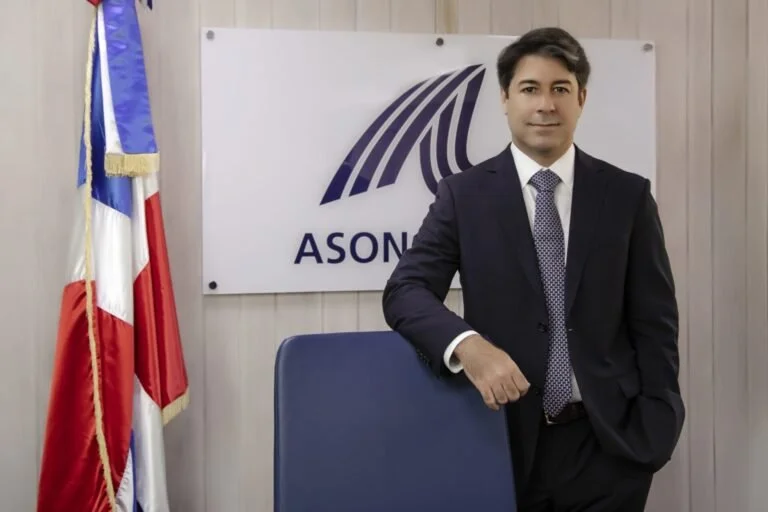
Santo Domingo.- The Association of Hotels and Tourism of the Dominican Republic (Asonahores) has issued a statement expressing its rejection of the alert issued by the United States Embassy in the Dominican Republic. The embassy had advised its citizens to exercise caution when traveling to the country due to an alleged increase in criminal activity.

Asonahores was taken aback by the alert as there is no evidence of recent criminal incidents in the tourist areas of the country. They emphasize that the Dominican Republic is one of the safest tourist destinations in the region, and they urge the embassy to rectify the alarm.

The association disagrees with the criteria of the United States, which prompted the alert on crime in the Dominican Republic. According to Asonahores, there have been no significant incidents in their tourist areas in recent months that would justify such action.

Asonahores finds this alert surprising since the Dominican Republic continues to maintain its status as one of the safest tourist destinations in the entire region, considering the low number of incidents per 100,000 foreign visitors.

They express their hope that the United States will rectify the alert as soon as possible and that the two countries can continue to foster good relations and collaboration.

Dominican Republic leads Latin America in air passenger traffic, setting new records in 2023

Santo Domingo.- The Dominican Republic continues to make waves in the commercial aviation market, as it emerges as the leader in air passenger traffic in Latin America. According to a report by the Latin American Air Transport Association (ALTA), Dominican airport terminals transported a staggering 4.6 million international passengers during the first quarter of 2023. This achievement solidifies the country’s position at the forefront of the commercial aviation industry in Latin America and the Caribbean.

The ALTA report reveals that the Dominican Republic experienced a remarkable 111% increase in passenger traffic compared to 2019. This exceptional growth places the country in seventh place in terms of passenger volume, trailing behind Mexico, Brazil, Colombia, Argentina, Chile, and Peru. Notably, other countries that displayed notable growth in passenger traffic during the first quarter of 2023 include Brazil, Colombia, Argentina, Chile, and Peru.

Marte Piantini, speaking at the plenary session, highlighted the Dominican Republic’s outstanding air connectivity in the Caribbean. He emphasized the collaborative efforts of the Junta de Aviación Civil (JAC), the private sector, and other government institutions to transform the country into a prominent hub connecting the Caribbean region with the rest of the world.

Piantini further shared that since 2022, the Dominican Republic has consistently ranked among the most competitive countries in air transport within the region, as indicated by the Air Transport Competitiveness Index. Moreover, the country experienced the highest growth in passenger traffic across Latin America and the Caribbean throughout 2022.

During the plenary session, discussions revolved around various requests for special permits from national and foreign air operators. These requests aimed to facilitate new flight routes and increased connectivity. For instance, RED AIR sought permission to operate numerous flights from La Romana to various destinations, while RUTACA requested approval for flights between Maturín, Venezuela, and Santo Domingo. Additionally, IBERIA, FINNAIR, and WORLD 2 FLY expressed interest in expanding their operations in the Dominican Republic.

As the Dominican Republic continues to demonstrate its prowess in the aviation sector, it solidifies its position as a key player in the region’s air travel landscape, offering enhanced connectivity and opportunities for economic growth.

A blackout occurs in International Airport of the Americas and delays flights

Santo Domingo.- A blackout caused by a fire in an area outside the terminal disrupted several flights at the José Francisco Peña Gómez International Airport of the Americas (Aila) on Thursday afternoon. Siglo XXI Dominican Airports confirmed that the power failure, lasting approximately 28 minutes from 2:35 p.m. to 3:03 p.m., was a result of a fire outbreak in aerial cables outside the terminal. The airport fire departments promptly responded to the incident.

Aila announced that it would continue to operate using its emergency power generator system until the issue with the affected aerial cables is resolved. The cause of the fire is still under investigation.

However, the Communication Office of the Unified Council of the EDEs stated that AES Andrés is the electricity supplier for the airport, and the Electric Transmission Company’s network, responsible for delivering power to Aila, reported no incidents on its lines. Therefore, they believe the failure originated from the airport’s internal system.

Homero Figueroa, the spokesperson for the Presidency, also provided an explanation on Twitter, stating that the interruption resulted from a short circuit in cables owned by the airport. He clarified that the affected electrical installations did not belong to EdeEste.

Several flights experienced delays as a result of the power failure. Flights that departed late included AA 987 (16 minutes), CM 129 (14 minutes), UA 1473 (40 minutes), and NK 377 (29 minutes). Some flights were still awaiting departure.

Aerodom reported that AA 1154 experienced a 37-minute delay for parking, and DM 4121 faced a 46-minute delay, which would lead to a delayed departure.

Once the fire outside the terminal was extinguished, power was restored using the emergency generation system. Since then, the terminal has been functioning normally without any incidents during operations and flights.

Aila reiterated that it would continue to rely on its emergency power generator system until the issue with the affected aerial cables, which caused the power failure from the public network, is resolved. Currently, all activities at the airport are proceeding as scheduled, and flights are operating without any problems.

Cap Cana Foundation presents sustainability program to Foprel legislators

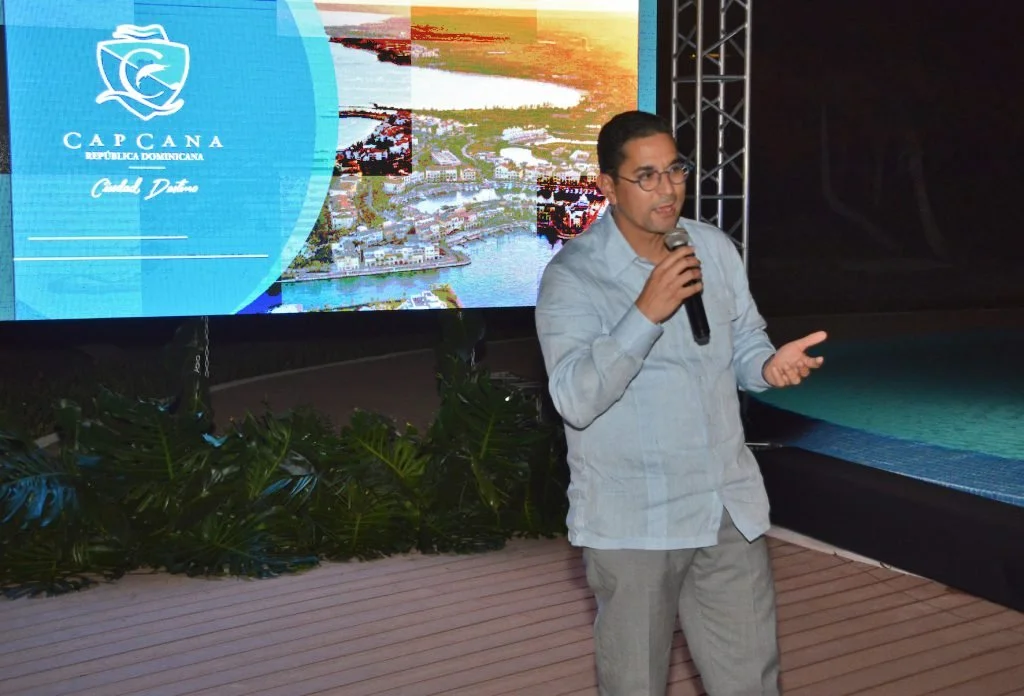
During the XXVIII extraordinary meeting of FOPREL held at the Margaritaville Hotel in Cap Cana, the Cap Cana Foundation showcased the progress and proposals for their sustainability programs. The executive president of Cap Cana and the Cap Cana Foundation, Jorge Subero Medina, expressed his gratitude to the participating parliamentarians for their interest in understanding the ongoing efforts to protect and sustain the habitats and natural resources in the entire city.

Subero Medina presented the parliamentarians with an overview of the benefits of Cap Cana and how they align perfectly with the sustainability actions carried out by the Cap Cana Foundation. He emphasized that since the inception of their master plan, they have been actively developing a sustainable city, and implementing actions to support it. This led to the establishment of the foundation, which centralizes and expands upon these efforts, including the creation of a Sustainability District for the entire city.

Blanca Mariñez, the director of the foundation, provided detailed information on each of the programs being implemented and shared impact results achieved thus far. These results serve as a testament to the continuous and dedicated work carried out to benefit the environment in the destination city since its inception.

Mariñez highlighted Cap Cana’s commitment to prioritize, respect, and preserve the biodiversity that enriches the destination. Both flora and fauna are considered vital inhabitants of the area, and it is the responsibility of Cap Cana to protect and preserve them to safeguard the natural wealth and lungs of the region.

She further explained that the foundation’s programs are based on three important strategic pillars: sustainable infrastructure services, nature-based solutions, and biodiversity conservation and environmental management.

The meeting provided an opportunity for parliamentary legislators to gain insights into the sustainable initiatives undertaken by Cap Cana and the Cap Cana Foundation, fostering a greater understanding of their commitment to preserving the environment and creating a sustainable future for the entire city.

Dominican ports: Connecting the economy with the world

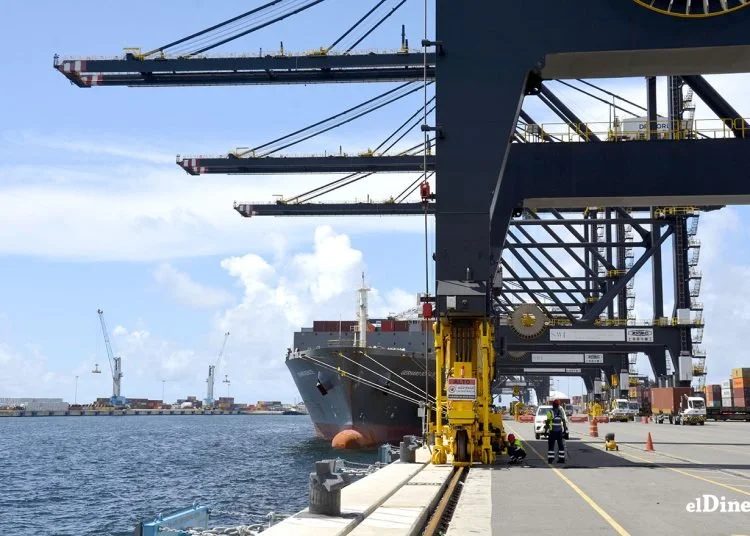
Santo Domingo.- According to data from the Central Bank of the Dominican Republic (BCRD), in 2022, the country generated total transactions exceeding US$30 billion in imports and US$13 billion in exports. The shipping industry played a significant role in these figures, with 93.71% of imports and 44.50% of exports being transported via sea routes.

The Dominican Republic has approximately 23 ports, of which 16 are commercial, eight serve as tourist terminals or anchorages, and four are marinas or sports docks, according to the Dominican Port Authority (Apordom). Out of the numerous ports, five accounted for 67% of the total vessel movements in 2022: Río Haina, Puerto Caucedo (DP World), Santo Domingo, and Puerto Plata.

Each port has its specialization based on the type of products it receives. For example, the Río Haina port, particularly Haina Occidental and its Itabo terminal, is specialized in unloading mineral coal. The port has the capacity to receive 15 vessels and handle various types of cargo, including general cargo, containers, roll-on/roll-off, liquids, and dry bulk materials.

The DP World’s Caucedo Multimodal port, which started operations in 2003, is used for importing containerized and loose cargo ships. It has four berths and is involved in the import of bulk fertilizers and wheat, as well as the export of cement, clinker, sugar, molasses, and bagged fertilizers.

Other ports, such as AES – André’s terminal in Boca Chica and Punta Cana Macao, EGE Haina, Sistemas de Boyas (Coyen Trix), and Coastal Dominicana, have specific capacities for unloading fuel, liquefied natural gas (LNG), liquefied petroleum gas (LPG), and other petroleum products.

The ports play a vital role in facilitating international trade and supporting the import and export activities of the Dominican Republic, contributing to the country’s economic growth and development.

The DGAPP encourages European investors to participate in the Autopista del Ámbar project

The General Directorate of Public-Private Alliances (DGAPP) recently organized the first International Road Show in Spain to promote the construction, maintenance, and operation project of the Autopista del Ámbar under the public-private alliance model. The aim of the roadshow was to attract international companies and investors to participate in the competitive selection process for the project.

A delegation from the DGAPP presented the project details and financial model, which includes the operation and maintenance of the Circunvalación Norte de Santiago. To avoid a shadow toll, an innovative component of the project involves the state contributing a piece of land located in the Punta Bergantín real estate development.

Several companies participated in the roadshow, including Iridium Infrastructure Concessions, OHLA, Abertis, Grupo Puentes, Grupo Ortiz, COPASA, VINCI Highways, and Cointer from the “Grupo AZVI.” These companies were selected based on their experience in infrastructure projects and their familiarity with the requirements of the Autopista del Ámbar project.

During the presentations, various topics were discussed, including the initial investment, environmental impact, infrastructure distribution, benefits of integrating the Circunvalación Norte de Santiago and the Punta Bergantín project, legal certainty, and the positive economic impact on the northern region of the country.

The Autopista del Ámbar project, which includes the maintenance and operation of the Circunvalación Norte de Santiago, is being structured as a public-private alliance and is currently in the competitive selection phase for the successful bidder.

In addition to Spain, the DGAPP will conduct promotional activities in South Korea and the Dominican Republic. The roadshow in Spain took place from May 30 to June 2, followed by South Korea from June 5 to 9, and the Dominican Republic from June 14 to 16 of this year.

The delegation leading the roadshow included the Deputy Director of Promotion of the DGAPP, Izalia López, along with the Deputy Director of Management and Supervision, Alan Jiménez, the economic adviser to the Executive Directorate, Jaime Pérez, and the person responsible for Project Analysis and Evaluation, Elba Méndez.

Larger cruise ships bring promising growth to Puerto Plata ports in the Dominican Republic

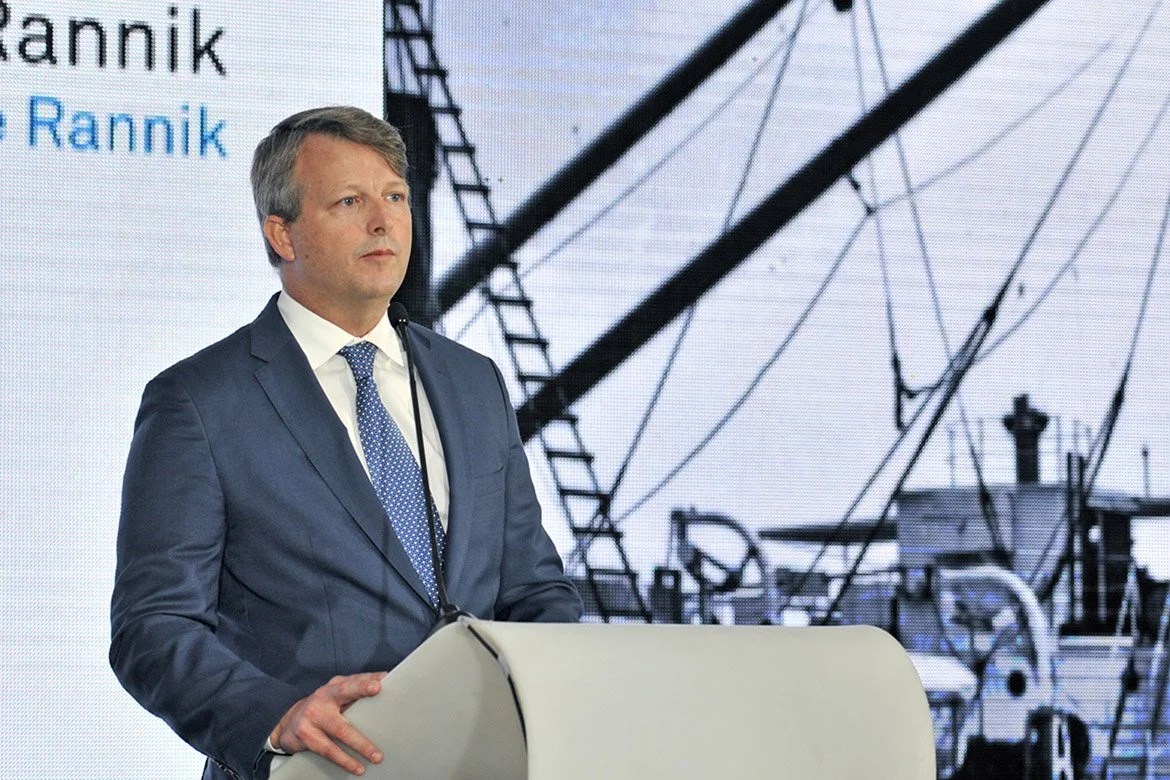
Puerto Plata, DR.- Jeffrey Rannik, the president of Báez and Rannik shipping company, has highlighted the current trend of larger vessels arriving at the ports of Puerto Plata in the Dominican Republic. According to Rannik, ships that used to accommodate 2,500 passengers a decade ago now carry 5,000 passengers due to their increased size.

During the pandemic, the cruise industry took the opportunity to replace older vessels with newer and larger ones, resulting in increased capacity. Rannik emphasized that this development has had a positive impact on the industry and destinations like Puerto Plata.

Rannik expressed optimism about the upcoming cruise season, citing significant growth in monthly arrivals at the ports of Amber Cove and Taino Bay. While he refrained from providing specific numbers to avoid creating false expectations, he emphasized the encouraging increase in visitors to Puerto Plata, noting that many of them are repeat travelers. Rannik also expressed enthusiasm about the current state of the Maimón area.

Rannik emphasized the importance of leveraging the popularity of tourism in the Dominican Republic and improving the complementary offerings in the northern region to attract and retain visitors. He highlighted the need for ongoing infrastructure improvements and collaborations between the public and private sectors.

In terms of cruise lines, Rannik mentioned that Amber Cove receives arrivals from Carnival, Aira, Princess, and Holland America, while Taino Bay welcomes Royal, Norwegian, Celebrity, and Browning.

The primary market for Puerto Plata continues to be the United States, with departures mainly from Florida. However, there are also departures from ports in the Gulf of Mexico, such as South Carolina, and occasionally from New York.

Rannik noted that cruise passengers spend an average of $80 to $90 at the destination. With millions of visitors, this contributes significantly to the local economy of Puerto Plata.

Regarding the growth in visitor arrivals, Rannik mentioned that while there are always internal projects for improvements at the ports, the current terminals were designed to support the demand and accommodate the growth experienced over the past several years.


Source: Andreina Guzman, Arecoa.com

Puerto Plata, unstoppable in cruise ships: will attract 29 vessels in June

Puerto Plata, DR.- A total of 29 cruise ships will be arriving during June of this year to Puerto Plata through the tourist ports Amber Cove and Taino Bay, according to the calendar shared by the Northern regional director of tourism, Atahualpa Paulino.

“These 29 ships make the province one of the leading Caribbean provinces in cruise arrivals forecasts, despite the current low season,” he said.

Of the 29 ships scheduled to arrive at the Atlantic Bride, 16 will come through the Port of Amber Cove of the Carnival Corporation and 13 through the Port of Taino Bay, belonging to the ITM Group company.

Arajet and Banreservas seal an alliance to promote Dominican travel

Santo Domingo.- Arajet, an airline company, has announced a partnership with Banreservas, a Dominican Republic-based bank, to enhance the travel experience for their customers. As part of this alliance, customers who purchase tickets with a Banreservas debit or credit card through the www.arajet.com website will receive several benefits.

One of the benefits is a 20% return on the ticket purchase, providing customers with a financial incentive. Additionally, customers will receive an extra checked bag free of charge. These benefits are exclusively available for purchases made between June 2 and 16, and they apply to Arajet’s 17 destinations in 12 countries, as well as its 44 connecting flights.

Víctor Pacheco Méndez, the CEO and founder of Arajet, expressed his satisfaction with the partnership, stating that it aims to make air travel more accessible and affordable for Dominicans. He invited residents of Santiago de los Caballeros to take advantage of the promotional tickets for the new Santiago de los Caballeros – Medellín route, which are available from US$70 each way (inclusive of taxes and fees) until June 8. The flights for this route will commence operations on July 17.

The collaboration between Arajet and Banreservas is expected to enhance the travel experience for customers and provide them with additional incentives and benefits when booking flights through the Arajet website using their Banreservas cards.

Dominican tourism strengthens, grows 20% in May

Santo Domingo.- According to the information provided by Minister of Tourism David Collado in May 2023, the Dominican Republic experienced significant growth in tourism. The total number of visitors in May, including both air and cruise passengers, reached 757,949, which is a record-breaking figure for the country. The 621,575 tourists who arrived by air represented an 11% increase compared to 2022 and an 18% increase compared to 2019.

Additionally, there were 136,374 cruise passengers in May, surpassing the numbers from both 2022 and 2019. When considering the entire first five months of the year, the Dominican Republic welcomed a total of 3,379,392 arrivals by air, another record-breaking statistic. During this period, the country also received 1,124,039 cruise passengers, which is an unprecedented figure.

Minister Collado expressed his satisfaction with the sustained growth of tourism under his management and projected that, by the end of the year, the Dominican Republic would receive 7.9 million tourists by air alone, which would be the highest number of visitors in the history of the country.

In May 2023, the major tourist-sending countries were the United States, accounting for 51.6% of visitors, followed by Canada with 11.4%, Colombia with 4.2%, Argentina with 4.1%, and Puerto Rico with 3.5%.

Regarding the airports with the highest number of arrivals, Punta Cana led the way with 59.4%, followed by Las Américas with 25.6%, Cibao with 11.4%, Puerto Plata with 2%, and Catey and La Romana with 0.5% each.

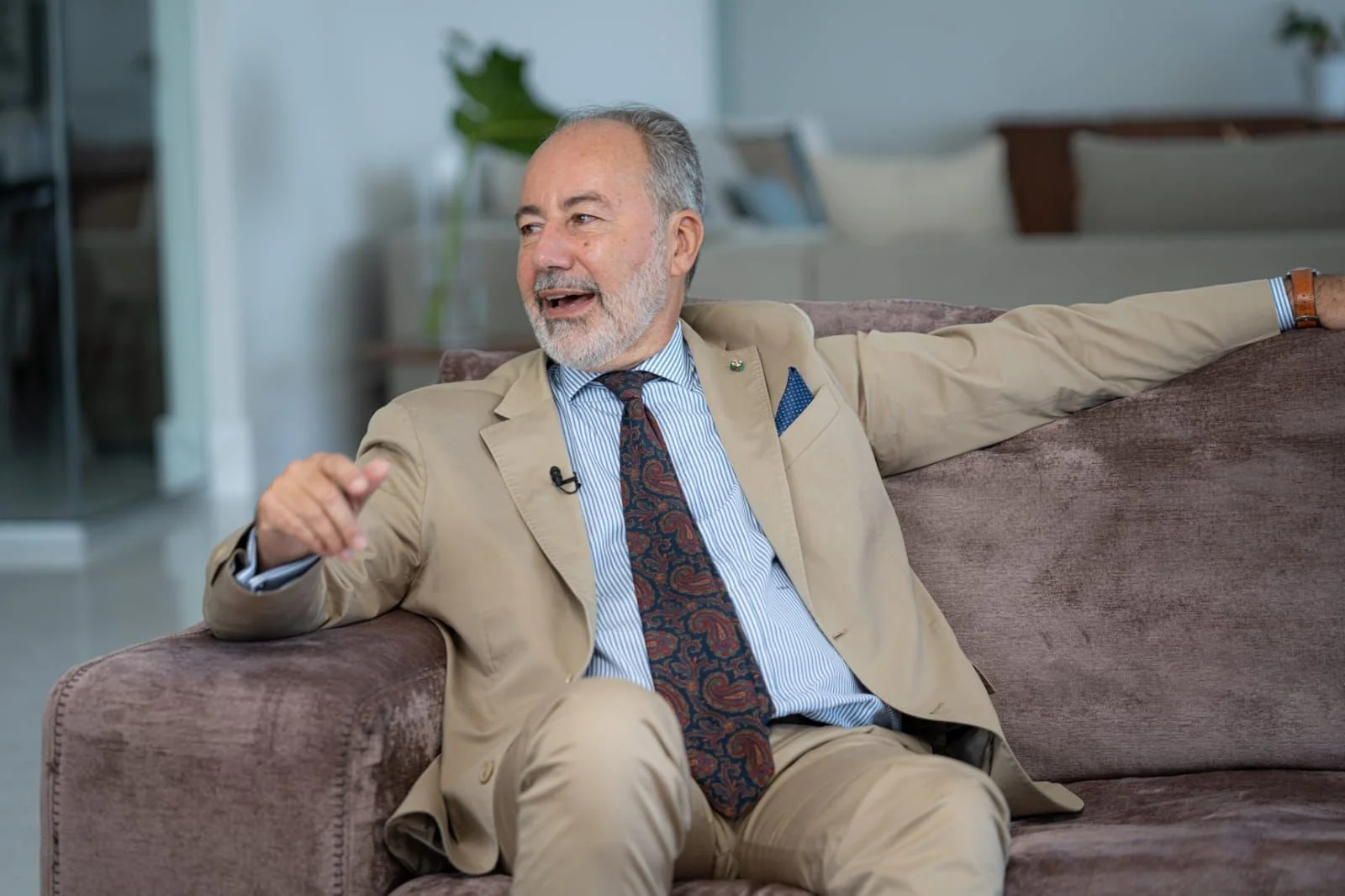
Italian Ambassador to the Dominican Republic assures bilateral trade between the two countries has doubled

Santo Domingo.- According to the Italian ambassador to the Dominican Republic, Stefano Queirolo Palmas, trade between Italy and the Dominican Republic has experienced steady growth in the past two years, with a remarkable 231% increase since the signing of the Economic Partnership Agreement (EPA) in 2008.

In an interview on the “Dominicana Buenas Noches” program, Ambassador Queirolo highlighted that Europe is the Dominican Republic’s second-largest trading partner globally, emphasizing the positive impact of the EPA on bilateral relations. He mentioned that commercial activity between the two countries has doubled in the last two years, demonstrating significant improvement.

Queirolo also emphasized that Italy and the Dominican Republic share important advantages that can be leveraged to enhance their relationship beyond trade. He cited the extradition agreement, which allows collaboration in the fight against organized crime and drug trafficking, as an example.

Furthermore, he mentioned that additional treaties will be signed to support the Dominican Republic in its efforts toward police reform and judicial system improvements. Additionally, an agreement for film production will be ratified.

Regarding the participation of Giorgio Silli, the Secretary of State of the Ministry of Foreign Affairs and International Cooperation of Italy, in the twenty-eighth Ibero-American Summit held in Santo Domingo in March, Queirolo stated that it further strengthened commercial and friendly ties.

He revealed that Silli plans to return to the Dominican Republic in August to participate in the second session of the bilateral political dialogue between the two countries. They will review the bilateral agenda together with the Dominican government, which includes various new, interesting, and promising initiatives.

The ambassador also announced that a group of Italian architects will arrive in the Dominican Republic soon to restore the Alcázar de Colón and the facades of thirteen churches located in the Colonial Zone of Santo Domingo. Additionally, support will be provided for the training of individuals interested in preserving the historical heritage and utilizing the UNESCO designation.

Moreover, several Italian companies related to renewable energy and other sectors will enter the Dominican Republic. He mentioned the establishment of a new cement production line in Sabana Grande de Palenque, San Cristóbal Province, which will adhere to high-quality standards and allow for re-export throughout the region.

The Dominican State allocates 0.13% of GDP to environmental spending

Governments worldwide must take action and increase investment in initiatives and programs that prioritize the care of our planet, in line with the Sustainable Development Goals (SDGs). A report titled “State of Finance for Nature” highlights that a global investment of $8.1 trillion is required by 2050 to address the planetary crisis.

The Dominican Republic has recognized the importance of environmental protection. In 2021, the country allocated RD$6.4 billion to environmental spending, which accounts for 0.13% of the gross domestic product (GDP). While this amount may seem minimal, it is crucial to consider that only RD$468 million was allocated in 2001, indicating significant growth in environmental funding over the past 20 years.

According to data from the National Statistics Office (ONE), environmental spending increased to RD$5 billion in 2020, RD$4.5 billion in 2019, RD$4 billion in 2018, and RD$3 billion in 2017. The upward trend in funding could signify that environmental challenges are becoming more acute or that the government is implementing practices to align with the 2030 Agenda. This underscores one of the objectives of World Environment Day, which has been celebrated since June 5, 1973, to raise awareness among the world’s population of the importance of ecosystem preservation.

However, it is worth noting that only between 20% and 45% of the global population considers environmental protection a relevant issue. Statista data reveals that 45% of Brazilians express concern for the environment, followed by Italy and Mexico with 44% and 41%, respectively. In contrast, smaller percentages include 36% of Indonesians, 28% of Nigerians, 27% of Americans, and 21% of Saudi Arabians.

Environmental pollution is one of the most significant challenges facing humanity, emphasizing the need for corrective action to ensure a healthy planet for future generations.

The United Nations has designated the theme for 2023 as “No Plastic Pollution,” emphasizing that 400 million tons of plastic are produced globally each year, with between 19 and 23 million tons ending up in rivers, lakes, and oceans.

Filmmaker José María Cabral’s documentary “Isla de plástico” (Plastic Island) serves as an example of raising awareness. The film explores how plastic waste from landfills makes its way to rivers, lakes, and ultimately the sea. The documentary has garnered over 1.6 million views, 13,000 likes, and 1,338 comments on YouTube.

Transitioning to a circular economy could reduce plastic pollution in the oceans by more than 80% by 2040, saving $70 billion for the global economy and creating 700,000 jobs.

Solid waste presents income opportunities for the Dominican Republic, which views plastic as a sustainable business that generates employment and contributes to the circular economy. The “Plastic manufacturing” sector achieved consolidated sales of RD$45 billion in 2020, marking a 9.7% increase compared to 2019 (RD$41 billion) and a difference of RD$8 billion compared to 2018 (RD$37 billion).

According to the study “Economic Profile of the Plastics Industry in the Dominican Republic,” revenues in the industry increased by 6.3% from RD$30 billion to RD$32 billion between 2015 and 2017, representing an absolute increase of RD$2 billion.

As of December 2020, there were 190 registered companies engaged in plastic product manufacturing, contributing to the creation of 11,556 jobs, as stated in a report prepared by the Ministry of Industry, Commerce, and MSMEs (MICM).

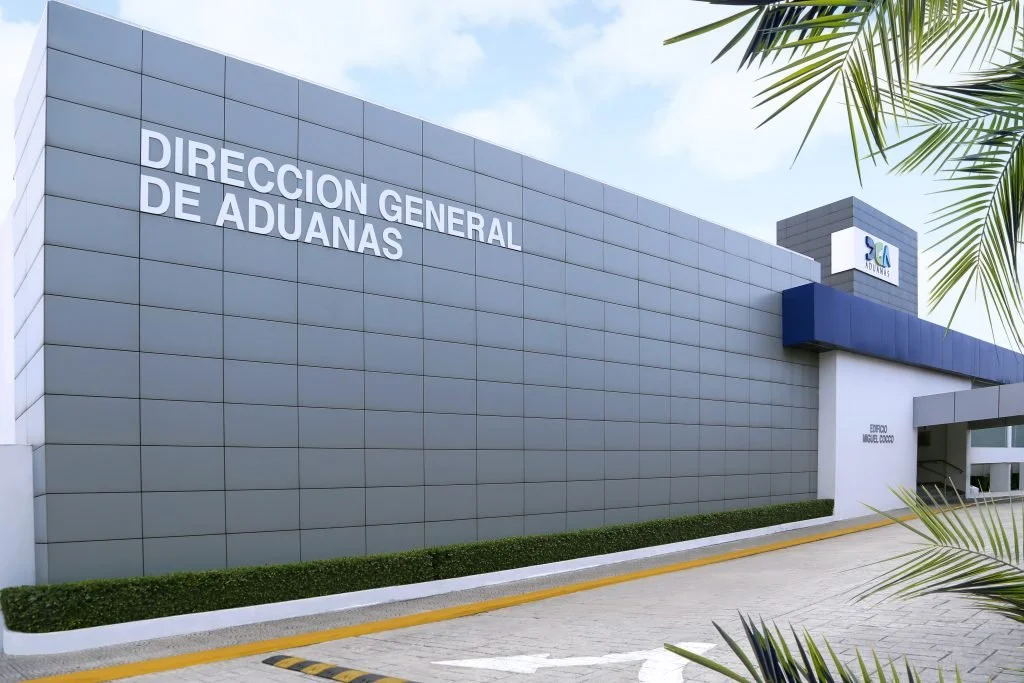
The General Directorate of Customs in the Dominican Republic launches mobile application to streamline application processes

Santo Domingo.- The General Directorate of Customs launched its new mobile application, DGA RD, where users have access to a wide portfolio of services. The application comes to streamline the application processes, by allowing the monitoring of their traceability. In addition, it has accurate information, in real-time, about each of the services offered by the institution.

Said application is available for download on major online stores such as Google Play and App Store, allowing easy distribution and access to users of different devices. Since its launch, the app has garnered a significant number of downloads, more than 500 in its version 1.1.0.

Within the application, the user has an easily accessible panel where they can view their documents and evaluate the status of their requests. Likewise, it has accessibility to a large number of services offered by the DGA.

Some of the services that can be requested are certificates, registrations, and renewals, among others, which can be of a general, import, and export nature. Each service has a detailed description of the cost, the procedures to follow, and the responsible department, with its contact information.

In addition, the application contains the functionality of consulting Courier packages and the generation of payment pins for individuals. With this innovation, Customs advances in terms of digitalization of its services, to provide a better and more efficient experience to all its taxpayers, saving time and resources.

Swiss Dominican Chamber will begin first official commercial visit to the Swiss Confederation

Santo Domingo.- The Dominican-Swiss Chamber of Commerce and Tourism (CCTDS) is embarking on its inaugural commercial tour to Switzerland since its establishment in 2000. This significant step aligns with the growth strategy of the Chamber, driven by its president, Gaetan Bucher, aiming to foster enhanced commercial and cultural exchanges between the two countries.

Commencing on June 3, Bucher, a prominent financier and businessman, will visit four major Swiss cities, including Zürich, Bern, Lausanne, and Geneva, during a ten-day trip. His itinerary includes meetings with companies, universities, and public institutions in Switzerland.

Bucher emphasized the position of the Dominican-Swiss Chamber of Commerce and Tourism as a regional benchmark. With this growth and vision, the Chamber is entering the next phase of its strategic plan, focusing on expanding commercial and cultural relations between Switzerland and the Dominican Republic, while capitalizing on business opportunities for both nations.

During his visit to Zürich, Bucher will meet with senior executives from Switzerland Tourism, the authority responsible for the tourism sector in Switzerland, and Edelweiss Air AG, the Swiss international airline serving Mediterranean Europe and the Caribbean. Additionally, he will hold discussions with representatives from Switzerland Global Enterprise, a state institution dedicated to supporting the export of Swiss micro, small, and medium-sized enterprises (MSMEs) and promoting Swiss international investment.

Bucher expressed his intention to strengthen ties with strategic partners such as the Secretary of State for Economic Affairs (SECO) and Swiss cantons, S-GE, to facilitate investment promotion and attract business ventures to the Dominican Republic.

Further engagements on Bucher’s itinerary included meetings with SERV Swiss Export Risk Insurance, an organization that assists Swiss companies in their export transactions and explores new market opportunities for them, as well as the Latin American Chamber of Commerce in Switzerland (LATCAM), a non-profit business organization committed to promoting economic relations between Latin America and Switzerland. Bucher will also connect with the Americas Division of the Federal Department of Foreign Affairs, ETH Zurich, IMD Lausanne (universities), and multinational corporation Nestlé.

Concluding his visit, Bucher will attend the International Labor Conference of the International Labor Organization in Geneva, accompanying the Minister of Labor, Luis Miguel Decamps García, as part of the official delegation.

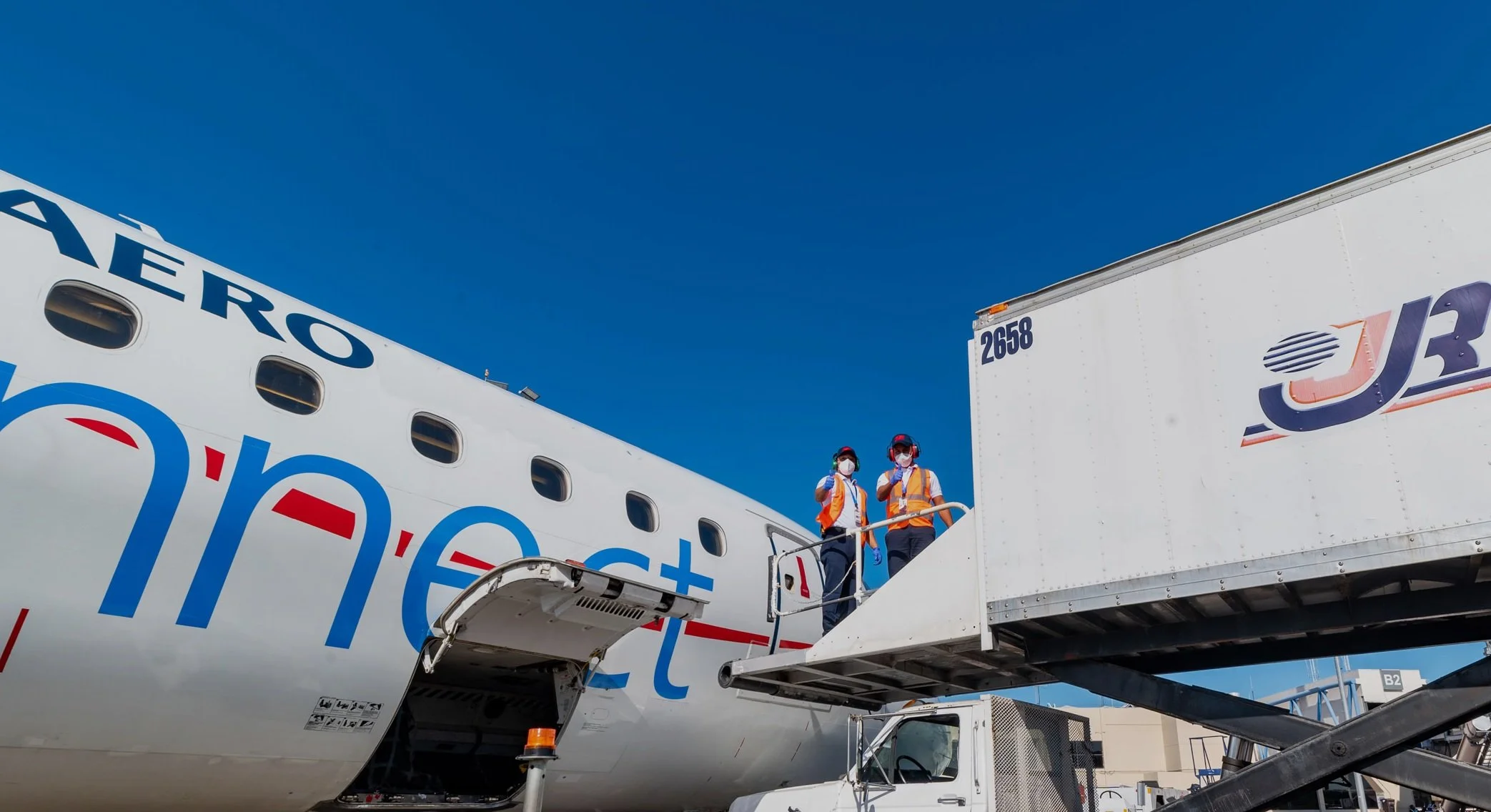
Airline catering generates millions of dollars to the Dominican Republic

Santo Domingo. – The impact of airline catering in the different productive sectors of the Dominican economy represents millions of dollars, in addition to its contribution to the country’s image as a tourist destination.

The statement was made by Israel Joa, CEO of JJ Roca, an airline catering company with 53 years of experience in the country, who said that the provision of food services to airlines is a strategic sector for the airline industry and for the economy in general.

According to a report published by the digital newspaper El Dinero, Roca said that “in the case of his company, in the last few years, not counting the closure due to the pandemic, we have contributed some US$30 million in foreign exchange generation and some RD$384 million to the aeronautical sector. In the labor field, we have 143 direct collaborators, all Dominicans, generating 296 indirect jobs.”

He pointed out that “what is related to this industry and its contributions to the country is little known, however, the value chain generated by the operation even reaches the agro-industrial sector where we support national producers and in our case we have contributed with more than US$3 million in purchases in the mentioned period.”

“Food on board is part of the passenger’s satisfaction and experience to and from the destination, so a memorable gastronomic service is part of the image and positive recall of the Dominican Republic. As a company, we take care of the quality and safety of the food, as well as the well-being of passengers and crew,” added Joa.

The airline catering market, El Dinero concluded, goes hand in hand with the growth of the aviation sector and the increase in domestic and international flights, and food production must comply with a series of regulations, requirements and the strictest quality standards.

Air Century and Cubanacán join forces to promote multi-destination tourism

Santo Domingo.- To facilitate the promotion of multi-destination tourism between Cuba and the Dominican Republic, a group comprising fifteen tour operators and representatives from twelve Dominican agencies recently visited Havana. The purpose of this visit was to explore the city, along with the diverse hotel and non-hotel facilities operated by Cubanacán, Iberostar, Meliá, and the Cubasol Business Group.

Katherline Crespo, the sales executive of Air Century, highlighted the shared objective of promoting multi-destination tourism and attracting visitors from the Caribbean and around the world to experience the unforgettable offerings of Cuba and the Dominican Republic.

In efforts to strengthen ties and collaboration, Daneysi Granado, Director of Communication at Cubanacán, explained that they are working on an e-commerce platform for direct and continuous marketing of tourist destinations and products. This initiative will facilitate seamless access to information and booking processes.

Air Century expressed their heightened interest in strengthening relations with Cubanacán, aiming to expand passenger traffic to this incredible destination. With an increase in flight frequencies to Cuba, including additional flights to Santiago de Cuba and a new Punta Cana-Havana link scheduled for October, Air Century is actively seeking to enhance connectivity and accessibility between the two countries. The sales for the Punta Cana-Havana route are expected to commence in July.

Flights to and from Havana and Santiago de Cuba are available on various frequencies. Havana flights operate on Tuesdays, Thursdays, Saturdays, and Sundays, while Santiago de Cuba flights operate on Mondays and Fridays.

This strategic approach aims to foster closer collaboration, increase tourist flows, and provide seamless travel experiences for visitors exploring both Cuba and the Dominican Republic. By leveraging joint efforts, the goal is to create an enticing multi-destination experience that will attract travelers from near and far.