Air Caraïbes to increase flights between Paris and the Dominican Republic by more than 50%

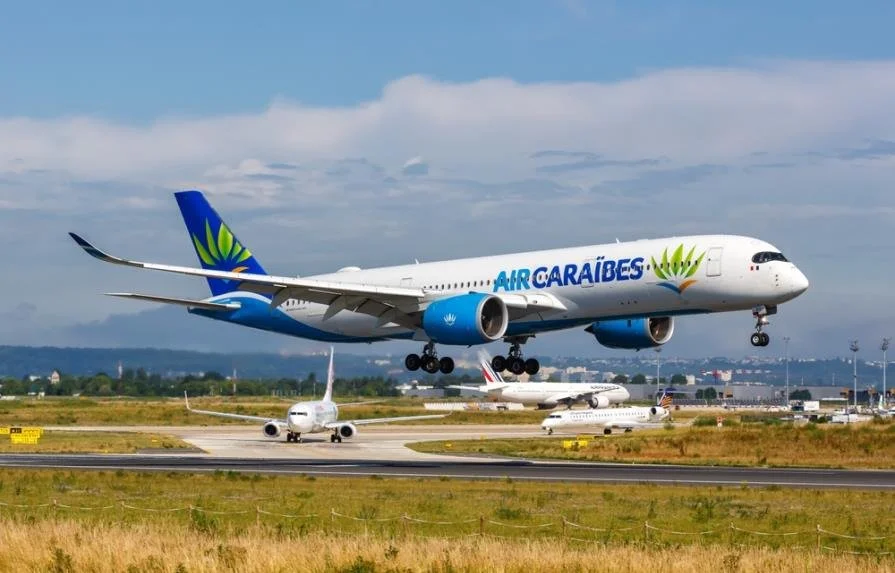
The airline Air Caraïbes will increase by more than 50% the frequency of its flights between Paris and the Dominican Republic for the 2023-2024 winter season, the French airline and its marketing company in the country, General Air Services, announced on Friday.

To meet the demand of customers who appreciate this tourist destination, the company will offer up to 6,000 weekly seats departing from Paris Orly to Punta Cana and Santo Domingo, says a press release.

“Air Caraïbes has the capacity and the will to maintain links between France and the Dominican Republic. We have worked with the Dominican authorities and met the necessary conditions on both sides to increase our frequencies and allow many French tourists who appreciate this destination to continue traveling” to the Caribbean country, said Air Caraïbes president Marc Rochet.

Air Caraïbes and tour operators are engaged “in a strong partnership aimed at maintaining the level of tourist assistance of French customers to the Dominican Republic”, where the airline “becomes a major player in the face of the country’s goal of exceeding 10 million tourists this year.”

From October 20, 2023, Air Caraïbes will offer a daily flight to the Dominican Republic operated mainly by an Airbus A350-900, and from December 14, 2023, the airline will offer nine weekly flights to this destination.

The route from Paris-Orly to Punta Cana will have a daily non-stop flight, while the route connecting the French capital with Santo Domingo will have two direct flights per week, one via Port-au-Prince (Haiti) and the other via San Salvador (Bahamas), the note notes.

Collado: “Tourism contributes almost 60% of the Dominican Republic economy”

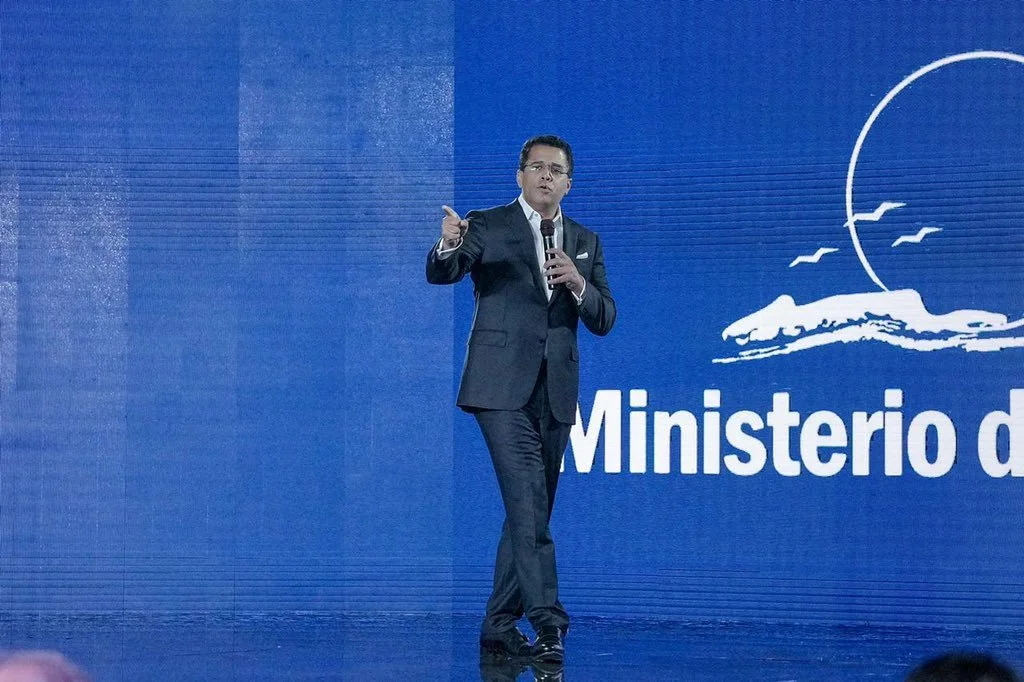
The Minister of Tourism, David Collado, stressed that tourism currently contributes around 60% of the economy of the Dominican Republic.

“It is clearly evidenced that tourism is contributing almost 60% of the economy of our country and that far from tourism being a piña colada or being beach and fun, it is the main industry of the DR,” he said.

He specified that on the subject of air tourism, which is measured by the Central Bank, there is a growth of 36% in relation to 2022, while the world is in recession.

Collado recalled that Héctor Valdez Albizu, governor of the Central Bank, said that tourism is supporting between 25 and 30% of the economy in recent months, according to the program El Gobierno de la Mañana.

He stated that such figures fill him with satisfaction because they have exceeded in many cases his own projections.

“To have numbers higher than our own records for the year 2022 is extremely strong. In 2022 we were competing with the recovery and with the pre-pandemic numbers of 2019, but now we are competing with our administration’s own results,” he added.

Regularization of Airbnb in the Dominican Republic is delayed: Tourism does not specify date

Santo Domingo.- Despite initial hopes to finalize the regularization of Airbnb operations in the Dominican Republic in August 2022, the process remains pending. The Ministry of Tourism (Mitur) continues to work towards formalizing the digital accommodation rental platform, with Minister David Collado expressing optimism about signing an agreement in the coming weeks, as reported by Diario Libre.

While no specific date was provided, Collado stated that the agreement with the Ministry of Tourism includes conditions for Airbnb to formalize its operations in the country. The General Directorate of Internal Taxes (DGII) has also prepared a draft regulation governing the application of the Transfer Tax on Industrialized Goods and Services (ITBIS), which is now with the Executive Branch for review.

Collado emphasized that Airbnb has expressed its willingness to regularize its presence and operate legally in the Dominican Republic. Although an intent agreement was announced at the last International Tourism Fair (Fitur 2023), the final agreement is still pending confirmation. The Mitur remains hopeful that the process will move forward in the near future.

Travelers must be at the center of the new tourism narratives in the Dominican Republic

Punta Cana.- Brands, media, and digital creators have a significant impact on the perception of tourism in society. They serve as providers of experiences and play a vital role in the economy. While breathtaking images of waterfalls and beaches used to be enough to attract visitors, today’s tourists desire to be active participants in the destinations they visit.

Understanding their needs, expectations, and personal stories is crucial for creating compelling content that appeals to this dynamic segment of travelers. Inés Aizpún, the Director of Diario Libre, emphasized that the evolving traveler seeks concrete advice and wants to be at the center of their experience. They are also more open to being part of the experiences of others as guests in the places they visit.

Aizpún discussed this topic during a panel on “How to position tourism in the editorial agenda: the case of the Dominican Republic.” She stressed the importance of distinguishing between users and readers, as their expectations differ. Users are more technologically inclined and demand specific guidance, while travelers are interested in the experiences of others and the places they plan to explore.

José Monegro, Director of the newspaper El Día, echoed this sentiment, noting that tourism permeates various social and national issues. He emphasized that the press should not solely focus on the economic aspect but consider the broader impact on society.

Aníbal de Castro, a journalist, stated that the Dominican media recognize tourism as an integral part of the national conversation rather than just an editorial topic. He cited the transformation of La Altagracia province, which went from poverty to prosperity due to its tourism development.

In the era of social media, tourism content creators have adapted their approach. Sharon Yang, External Affairs Executive for Meta, explained how COVID-19 prompted a shift in the narrative. Instead of showcasing picture-perfect locations, creators began focusing on direct interactions with local attractions. They started creating informative short videos and including captions to provide users with more details about the places they feature.

To engage their followers effectively, creators strive for an immersive, inclusive, and authentic approach. On platforms like Instagram, successful tourism content goes beyond just a photo. It now incorporates personal stories and faces, offering a more relatable and human perspective. Social media serves as a powerful tool, allowing consumers to explore destinations virtually, even without physically visiting them.

The tourism industry’s ability to adapt its storytelling to the changing needs of travelers and leverage the influence of brands, media, and digital creators is crucial for continued growth and success.

“Meeting of tourism ministers places the Dominican Republic in the eye of the world,” says Aníbal Díaz

Punta Cana, DR.- Deputy Aníbal Díaz stated that the hosting of the 118th Assembly of the Executive Committee of the World Tourism Organization (UNWTO) highlights the Dominican Republic as a prominent tourist attraction on the global stage.

Díaz expressed that in addition to being an important gathering to discuss the state of tourism worldwide, this significant event once again positions the Dominican Republic as a leading tourist destination in the region, capturing the attention of numerous countries.

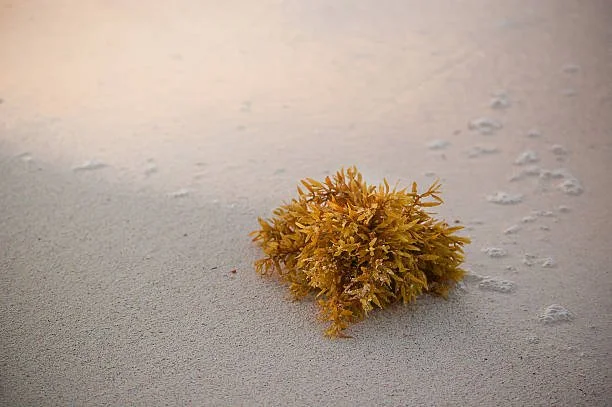
As the President of the Tourism Commission of the Chamber of Deputies, Díaz supported Minister of Tourism David Collado’s call for a collective solution to the sargassum issue, emphasizing the need for collaboration among countries rather than individual efforts. He stressed that as a powerful tourism nation in the Caribbean, it is crucial to address this challenge collectively to ensure the well-being of the tourism industry in the entire region.

Díaz also recognized the role played by the country’s tourism sector in positioning the Dominican Republic as a viable option for hosting the UNWTO’s world summit. He further highlighted the country’s projected contribution of 25% to the Gross Domestic Product by 2023, indicating its significant economic impact and potential for growth in the tourism industry.

Puerto Plata airport reopens after completing renovation

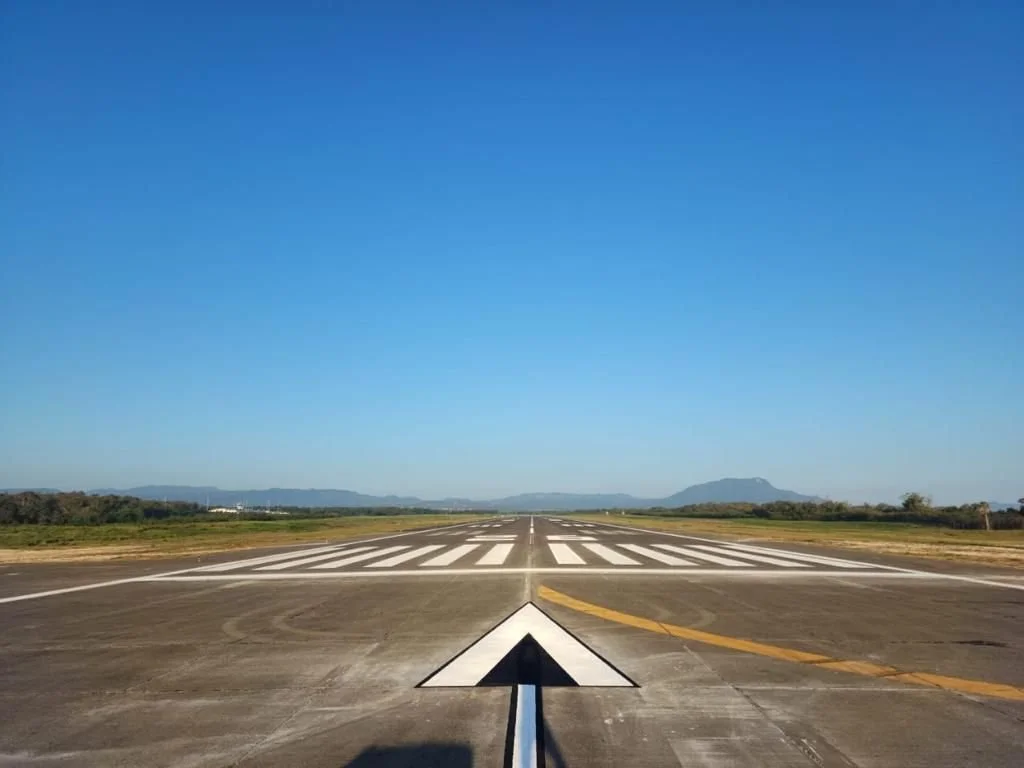
Puerto Plata, DR.- Siglo XXI Dominican Airports (Aerodom) has announced the reopening of Gregorio Luperón International Airport in Puerto Plata following the successful completion of the second phase of runway repairs and remodeling.

The second phase, which required an investment of over $4.5 million, involved leveling the slabs of the central section of the runway, installing new approach lights and horizontal signaling, and undertaking other works to extend the lifespan of the infrastructure.

The renovated runway was inaugurated with the landing of a private flight from Miami at 7:24 am. JetBlue Flight 627 from New York City and American Airlines Flight 2273 from Miami are among the scheduled flights expected to arrive.

The runway was closed for 10 days to facilitate the major construction project, which included demolishing deteriorated slabs, removing granular material, and installing new 40-centimeter-deep slabs.

The second phase extended the runway by 270 linear meters and 24 meters wide, adding to the intervention carried out in the first phase for a total extension of 570 linear meters. This enhancement increases the runway’s capacity to accommodate larger and heavier aircraft without restrictions.

As part of the project, new horizontal markings were applied throughout the runway, thresholds were repositioned to meet international regulations, and state-of-the-art visual aids, such as PAPI approach lights, were installed by Caribe Services.

The extensive remodeling project, led by the Aerodom Technical Department, involved over 300 workers, including 25 engineers and over 50 technicians who ensured quality throughout the process. Two mobile concrete plants with a capacity of 50 cubic meters per hour were installed inside the airport terminal.

This renovation project is part of Aerodom’s commitment to maintaining the highest operational safety standards across the airports within the VINCI Airports network, including those in Santo Domingo, Puerto Plata, Barahona, and Samaná.

Deputies propose ITBIS refund for tourists to boost consumption

Santo Domingo.- Deputies Orlando Jorge Villegas, Omar Fernández, and Víctor Fadul have introduced a bill aimed at stimulating tourist consumption in the country by implementing a refund system for the tax on the transfer of industrialized goods and services (ITBIS).

Under the proposed initiative, foreign tourists and non-residents who purchase domestically produced or imported goods would be eligible to request a refund of the ITBIS upon their departure from the Dominican Republic. The primary objective of the bill is to encourage tourist spending in local businesses and generate a positive economic impact by creating job opportunities through the multiplier effect.

The legislation highlights that over a dozen countries worldwide have already implemented similar refund systems for tourist taxes, which have successfully increased visitors’ purchasing power and boosted the consumption of goods and services within their respective tourism destinations.

According to the bill, the ITBIS refund for foreign tourists and non-residents would be limited to specific categories of goods outlined in the law, including exportable food and beverages, handicrafts, costume jewelry, textiles, and jewelry, among others.

The proposed legislation will be subject to debate in the National Congress in the upcoming days, with the potential to become law upon approval. If implemented, it is anticipated that the bill will stimulate tourist consumption in the Dominican Republic, thereby generating a significant positive impact on the local economy.

Dominican Republic’s tourism sector experiences historic strengthening with prestigious hotel brands

Santo Domingo.- The Dominican Republic’s tourism industry has witnessed significant growth and enhancement in terms of diversification and quality of accommodations, thanks to the unwavering commitment of highly prestigious hotel brands. This development has allowed the country to position itself in a segment that caters to a more discerning and demanding clientele.

While the country’s tourism authorities acknowledge the importance of maintaining their core offering of sun and beach tourism, they also recognize the need to promote further diversification. According to Minister of Tourism David Collado, it is crucial to ensure that public beaches match the quality and amenities found in private areas in order to continue attracting nature-loving visitors.

Collado highlighted that approximately 87% of tourists visiting the Dominican Republic prioritize the beaches and their surrounding areas. In recent months, efforts have been made to assess the conditions of recreational activities in these public spaces. Collado, accompanied by the tourism marketing and promotion team, has conducted tours of various beaches across the country to evaluate the opportunities and challenges present in these areas. The objective is to create safe public spaces that meet the needs of both domestic tourists and international visitors, allowing them to enjoy recreational activities with their families.

By investing in the improvement and development of public beach areas, the Dominican Republic aims to offer a diverse and appealing range of tourist experiences. The country recognizes the significance of catering to different preferences and interests to ensure a memorable and enjoyable stay for all visitors.

First domestic aerodrome in Caribbean region authorized by Dominican Institute of Civil Aviation

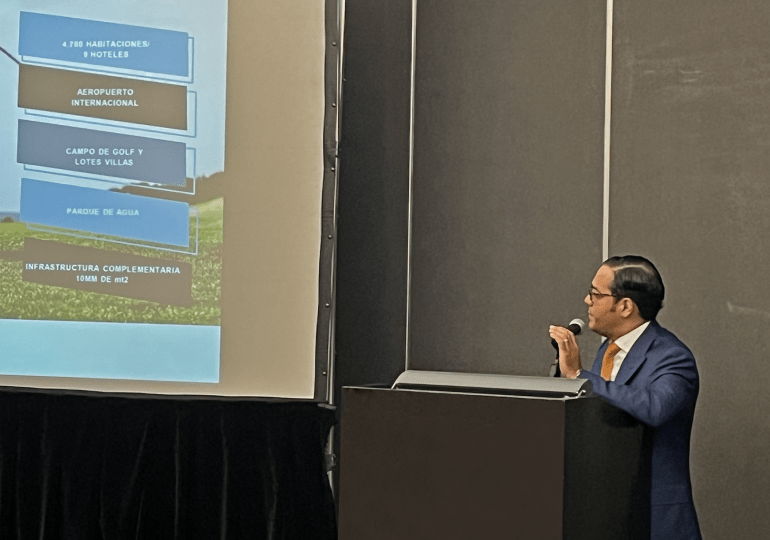
Santo Domingo.- The Dominican Institute of Civil Aviation (IDAC) has officially granted authorization for the operation of the Nisibon AirPark domestic aerodrome, the first of its kind in the Caribbean region. The aerodrome is located on a property spanning 23 million square meters and will feature a real estate project, an adventure park with 13 attractions, an aviators club, and other activities related to the aeronautical sector.

The certificate was presented by IDAC’s interim director general, Héctor Porcella, to Oscar Villanueva, the president of Nisibon AirPark, in the presence of businessmen Fernando Villanueva and Eduardo Read, the president and board member of the Viamar group, respectively. Also in attendance were Víctor Pichardo, the Director of the Airport Department, and Major General Carlos R. Febrillet, the Commander General of the Dominican Republic Air Force.

Porcella stated that the certification of the new aerodrome fully complies with the requirements stipulated in the Dominican Republic’s Civil Aviation Law No. 491-06, following a process that began in 2013. He emphasized that the aeronautical complex aligns with the current prosperous state of civil aviation in the country, driven by the exceptional growth of the national tourism industry and the commitment of President Luis Abinader and Minister David Collado to strengthen investments in strategic sectors of the Dominican economy.

Highlighting the scale of the Oscar Villanueva project, Porcella noted that there is no complex in the country or the region that combines an adventure park, an air community, two theme hotels, 7 kilometers of river, a beach club, and activities centered around a domestic airport, among other attractions.

In addition to the aeronautical facilities and terminal with hangars, the complex will include a real estate development featuring villas equipped with hangars or hangar homes, allowing owners to conveniently store their aircraft on-site.

Situated in the community of Las Lagunas de Nisibón, Higüey, the private capital project is located less than 50 kilometers from Punta Cana and is expected to become one of the main complementary attractions to the renowned tourist destination in the Caribbean region.

Abinader inaugurates a new hotel suites with an approximate investment of RD$5 billion in Casa de Campo

La Romana.- President Luis Abinader attended the inauguration of a new hotel suite at Casa de Campo in the Dominican Republic. The project, which involved an investment of $90 million (RD$4,897,572,750.00), is expected to generate numerous direct jobs in the province and the eastern part of the country. The newly opened hotel suite includes modern amenities such as new suites, a Premier Club, and a state-of-the-art spa center. This expansion is part of a larger multi-phase project aimed at enhancing Casa de Campo. During the ceremony, President Abinader commended Casa de Campo for its continuous innovation and excellence in the hospitality sector. He emphasized the importance of supporting projects like this, which contribute to the development of the region and the country as a whole.

The president expressed his commitment to supporting Casa de Campo and working together to implement efficiency projects and mechanization in the agricultural sector. He applauded the company’s long-standing tradition of efficiency and assured them of the government’s continued support. Minister of Tourism David Collado also lauded the public-private partnership and highlighted the Dominican Republic’s success in handling the COVID-19 pandemic. He noted that the country experienced record-breaking tourism numbers, with 3.7 million tourists entering in the first four months of the year.

Andrés Pichardo, President of Casa de Campo Resort & Villas, expressed gratitude for the government’s support and emphasized the resort’s commitment to providing top-quality luxury tourism experiences. The newly opened suites offer stunning views of the golf course and are equipped with state-of-the-art technology and amenities. The spa center features world-class facilities, including a hydrotherapy area, specialized treatment cabins, relaxation areas, and a VIP suite. The Premier Club provides personalized service and exclusive amenities for guests staying in the new suites.

The inauguration ceremony was blessed by Monsignor Jesús Castro Marte, the Bishop of the Diocese of Nuestra Señora de La Altagracia.

The advantages of investing in the Dominican Republic are presented in Mexico City

The business and investment opportunities in the Dominican Republic were showcased during a breakfast conference organized by Quiroz Advisors – QA Legal and supported by Sainz Abogados, both members of the Ibero-American Legal Network (RLI). The event aimed to strengthen trade and investment relations between Mexico and the Dominican Republic.

Alejandro Sainz, founding partner of Sainz Abogados, emphasized the importance of enhancing trade and investment ties between the two countries. José Quiroz, the founding partner of QA Legal, delivered a presentation titled “Investing in the Dominican Republic: Regulatory Framework and Current Opportunities to Invest.” He highlighted the country’s competitive advantages and incentives that make it an attractive investment destination.

The event focused on investment opportunities in sectors such as tourism, energy, infrastructure, app development, nearshoring, and logistics parks. These sectors benefit from favorable legal frameworks, significant tax incentives, and existing trade agreements that facilitate export to larger markets.

The conference also highlighted the growing interest of various capitals in the Latin American region, driven by political situations in countries like Chile, Peru, Colombia, and Mexico. The Dominican Republic stands out as a safe and attractive investment destination due to its economic and political stability.

Jonathan Aragonez Tineo, Counselor for Trade and Investment Affairs of the Embassy of the Dominican Republic in Mexico, represented Ambassador María Isabel Castillo Báez at the event. He shared information about the constant growth of the Dominican Republic, highlighting its evolution in productive sectors and the country’s macroeconomic data that demonstrate its economic stability.

Aragonez emphasized the comparative advantages of the Dominican Republic, including preferential access to a market of over 1.2 billion consumers, participation in six trade agreements, and the benefits of the Generalized System of Preferences (SGP). The SGP provides preferential access to 55 countries, and the Dominican Republic boasts a wide range of exportable products across more than 3,167 tariff lines.

Tourism industry must adapt to be sustainable

Santo Domingo.- The Dominican Republic is facing several challenges in making its tourism industry environmentally friendly and resilient to climate change. These challenges, including reducing plastics, transforming sargassum, promoting community tourism, and organizing destination management, were discussed at the International Forum for Sustainable Tourism in the country.

As part of the efforts to address these challenges, the Minister of Tourism, David Collado, and the Secretary of the UNWTO, Zurab Pololikashvili, signed a declaration of intent to develop a public-private strategy within the next 90 days. The strategy aims to outline short, medium, and long-term measures to promote sustainability and environmental friendliness in the tourism sector.

One of the immediate measures proposed is the gradual elimination of plastic throughout the hotel sector’s value chain. The Dominican Republic is expected to be one of the first countries in the Caribbean to implement such an initiative within the tourism industry. This action aligns with the Sustainable Development Goals and demonstrates tangible results.

During the forum, the Iberostar Group Sustainability Manager highlighted the case of their hotel chain, which successfully eliminated single-use plastics in 2020 and replaced them with reusable materials. This achievement serves as a model for other establishments and helps raise environmental awareness among tourists.

The focus on sustainability and environmental responsibility in the Dominican Republic’s tourism sector underscores the country’s commitment to creating a more sustainable future for the industry.

Punta Cana hosts 118th UNWTO Executive Council meeting from 16-18 May

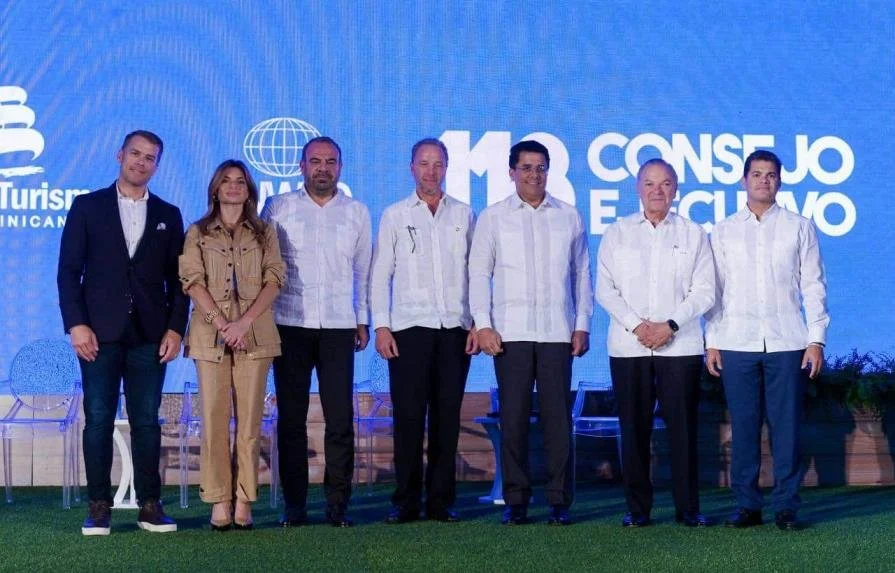
Punta Cana.- The Dominican Republic will host, for the first time, the 118th Executive Council of the World Tourism Organization (UNWTO), to be held in Punta Cana from Tuesday through Thursday and which will bring together the leaders of the sector worldwide.

The opening will be led by Tourism Minister David Collado and UNWTO Secretary General Zurab Pololikashvili, and will be attended by ministers and delegations from UNWTO member countries.

It will serve as an ideal venue to analyze, among all the actors of the sector and the host country, the advances, experiences, strategies and challenges for the future; the main theme will be sustainability in tourism, in the search for the development of more sustainable tourist destinations.

Sustainability and its related issues will be addressed by tourism authorities and experts attending the ”Inter-Institutional Forum on Sustainable Tourism in the Dominican Republic,” which will be inaugurated by Minister Collado and UNWTO head Pololikashvili, and will take place on Tuesday, May 16 at the Meliá Caribe Beach Resort Punta Cana.

The forum activities will begin with an introductory session with the presentation ”Tourism for the Sustainable Development Goals,” by Zoritsa Urosevic, executive director of the UNWTO (France).

The second presentation will address the topic “Sustainability of Dominican Tourism. Conclusions of the project Transforming Tourism Value Chains in Small Developing States and Island Countries”, which will be presented by Lissette Gil, Sustainability Consultant and Director of the TRANSTUR Project, supported by Tourcert, the German Ministry of International Cooperation and non-profit organization KATE.

The celebration of the UNWTO meeting is of capital importance for the Dominican Republic, which has assumed as a priority –in the current term of Minister Collado– “to promote the development of a responsible, sustainable and environmentally friendly tourism aligned with the UN Sustainable Development Goals”.

According to the head of Dominican tourism, the forum, like the Executive Council meeting, will be an opportunity to tell the world “how the country has become the leader of this sector in the region.”

Through this venue, representatives of the public and private sectors linked to the environment, tourism and biodiversity will hold panels in which they will discuss, among other topics, the way in which Dominican tourism, along with the leadership and growth achieved, is focused towards a more sustainable, rational, coherent and responsible proposal, as currently demanded by the times at a global level.

Topics such as the sustainability of Dominican tourism; consequences of climate change; water, a challenge for Dominican tourism; biodiversity protection, among others, will be discussed as well.

New Narratives in Tourism

The program of the Executive Council includes the Thematic Session ”New Narratives in Tourism,” which will take place on Thursday, May 18, an event in which communication leaders will show how tourism adapts its image, messages and communication channels to the demands of a more technological, demanding and committed public.

Among its objectives, with its contents and debates, this activity pretends to become a very useful tool to guide tourism authorities and professionals so that their communication strategies show their evolution to a more resilient and supportive sector.

At the same time, it provides a platform for governments, tourism authorities and private entities to exchange experiences and ideas on how communication can convey the message of a more innovative, sustainable and people-centered tourism sector by integrating innovative tools and concepts.

New Narratives in Tourism is scheduled for 10:00 a.m. at the Meliá Caribe Beach Resort.

Tourism of the Dominican Republic captured more than US$1 billion of Foreign Direct Investment

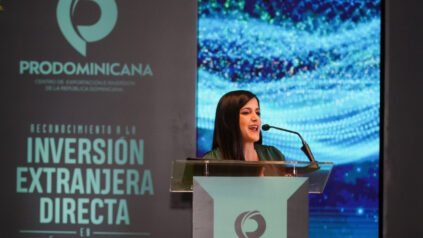
Santo Domingo.- The Dominican Republic has achieved a record-breaking level of Foreign Direct Investment (FDI) for the first time, with a year-on-year growth of USD 813.6 million (25.5%) in 2022. According to the Central Bank of the Dominican Republic (BCRD), the country received an extraordinary sum of USD 4,010.4 million in FDI, accounting for 35% of investment flows in the Central American region for that year.

Biviana Riveiro, the executive director of ProDominicana, highlighted that the trend is expected to continue, with the Dominican Republic consolidating its participation above 40% in investment flows to the Caribbean, historically.

The tourism sector played a crucial role in the country’s FDI growth, becoming the leading sector with an investment of over USD 1,000 million for the first time in history. This accounted for 25% of the total FDI flows in 2022. The energy sector also experienced significant growth, with an additional USD 475.2 million and a total of USD 753.4 million in investments. The Commerce/Industry sector followed closely, with an absolute growth of USD 292.1 million and a total of USD 599.5 million received.

In terms of investment origins, Brazil contributed USD 109.5 million in 2022, representing a substantial recovery with an absolute growth of USD 303 million. Additionally, residents of the United States made direct foreign investments of USD 1,520.9 million in the Dominican economy in the same year.

This remarkable growth is seen as an indication that the country has attracted the attention of foreign investors due to its social, legal, political, and economic stability. The policies promoted by President Luis Abinader, the coordination of the Investment Cabinet led by Vice President Raquel Peña, and the efforts of various government entities have capitalized on strategic and competitive advantages. The Dominican Republic’s privileged location, high connectivity, and growing economy in sectors such as energy, tourism, free zones, commerce, real estate, and telecommunications have attracted interest from investors worldwide, positioning the country as a logistics hub, as stated by Riveiro.

The Dominican Republic is a benchmark for its priority in the search for solutions to sargassum

Santo Domingo.- The Central American Integration System (SICA) has commended the Dominican Republic’s Ministry of the Environment for establishing a multisectoral table dedicated to the comprehensive management of sargassum. Jair Urriola, the executive secretary of the Central American Commission for Environment and Development of SICA, praised the Dominican Republic for prioritizing the search for solutions to address the presence of macroalgae on coastlines and beaches.

He emphasized that SICA’s mission as an integration system is to unite efforts to combat the sargassum issue that affects the entire region.

Urriola further stated that SICA will promote the establishment of national tables in other countries and the creation of a regional commission to facilitate coordinated efforts in tackling the sargassum problem. The Dominican Republic’s table focuses on developing a comprehensive and sustainable management plan for sargassum, which includes short, medium, and long-term strategies.

The concerns regarding sargassum were previously addressed by the leaders during the 56th meeting of SICA Heads of State and/or Government. They expressed worry about the detrimental impact of sargassum on marine flora and fauna, tourism, and the economies of many island nations in the Greater Caribbean. The establishment of the multisectoral table in the Dominican Republic showcases the country’s commitment to finding effective solutions to mitigate the impact of sargassum in the region.

Dominican Republic to host 12th Intl. Congress of Tourism Journalists and Professionals

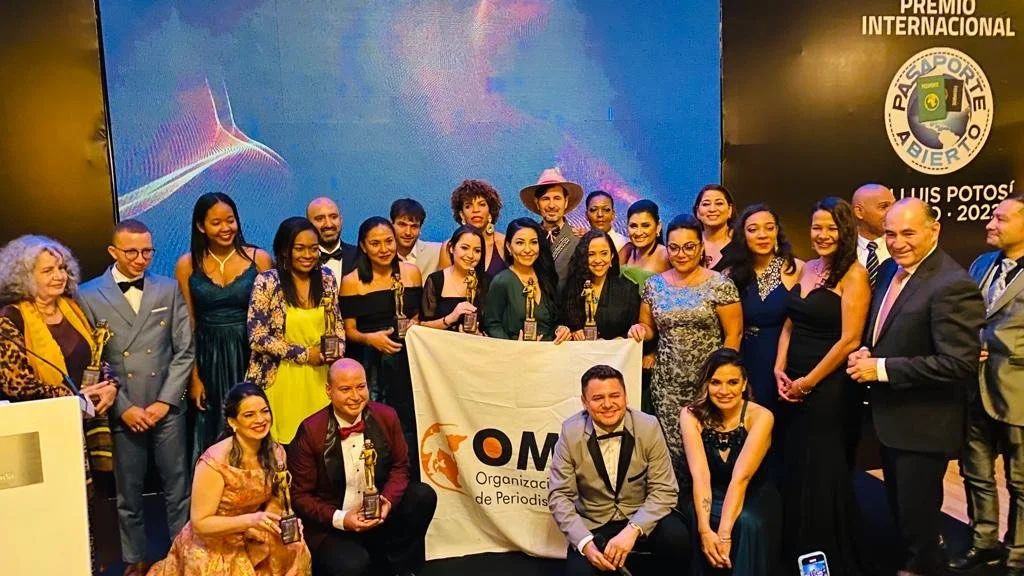
Santo Domingo.– The Dominican Republic will host for the first time a congress of the World Tourism Journalism Organization (WTJO), whose twelfth edition will take place in Santo Domingo and will be dedicated to empathy and effectiveness, its organizers announced.

In exclusive statements to Dominican Today, WTJO director and founder Miguel Ledhesma pointed out that “it is an honor for us to be able to share knowledge and experiences with professionals and communicators from a destination with such a long history in tourism. We are very much looking forward to it and we know it will be a great experience.”

According to the renowned expert in tourism, the main topics to be addressed at the congress will be responsibility, collaboration and sustainability in tourism as well as specialized communication.

Ledhesma, who has visited the Dominican Republic before, stated that the foreign delegates –about thirty– will find, above all, a great example of hospitality and the resilient spirit of a great people.

World Digital Solidarity Day

To coincide with the celebration of the 12th Congress, the World Tourism Journalism Organization  (WTJO) and the Dominican Association of Tourism Press (Adompretur) will declare, together with other national and international organizations, the World Digital Solidarity Day on June 6 in Santo Domingo.

The commemoration of this day will seek to recognize the value of technology to promote a fairer and more humanitarian world by encouraging the support, exchange and dissemination of activities and ventures on websites and social networks.

It is also aimed, Ledhesma said, at raising awareness of the importance of humanitarian discourses and practices that promote respect, online safety and honesty.

“I consider both organizations to be good examples of digital solidarity, not only for our work together, but for our openness and collaborative practices with society in general. At this moment we are registering the willingness of many other organizations of all kinds that are interested in supporting the declaration of this day,” Ledhesma assured.

Leaders of national or international organizations willing to sign this declaration can register in this link: https://forms.gle/QRrAtyXxvTk5pb786

A congress to remember

Speaking to Dominican Today, one of the organizing committee member, Salvador Batista, vice president of Adompretur and WTJO director for the Dominican Republic, confirmed that more than 30 journalists from Latin America will attend. “We feel proud that our country has been chosen as one of the nations to hold events of the World Tourism Journalism Organization (WTJO).”

The congress panels will feature international representatives of tourism journalism who will address crisis management in the sector and in their countries. “Raúl Baz will talk about empathetic and effective communication in tourism, while Viena Divaluna will address the topic of ‘firsts’ and fake news. Both are highly knowledgeable on their subjects,” said Batista.

The foreign delegates will not only benefit from useful knowledge about crisis management in tourism issues and what the role of the specialized journalist should be. “They will also have a pleasant time in different attractions of Caribbean’s number one destination, beyond the popular sun and beach segment: culture, traditions, history and gastronomy…,” Batista pointed out.

The special agenda for the international delegates, explained the local WTJO director, includes tours to various points of the national geography, such as Santiago de los Caballeros, La Romana, Bayahibe, Bávaro, Punta Cana, Cap Cana and the Primada de America, Santo Domingo’s colonial city.

Caribbean Summit agrees to unite efforts against sargasso

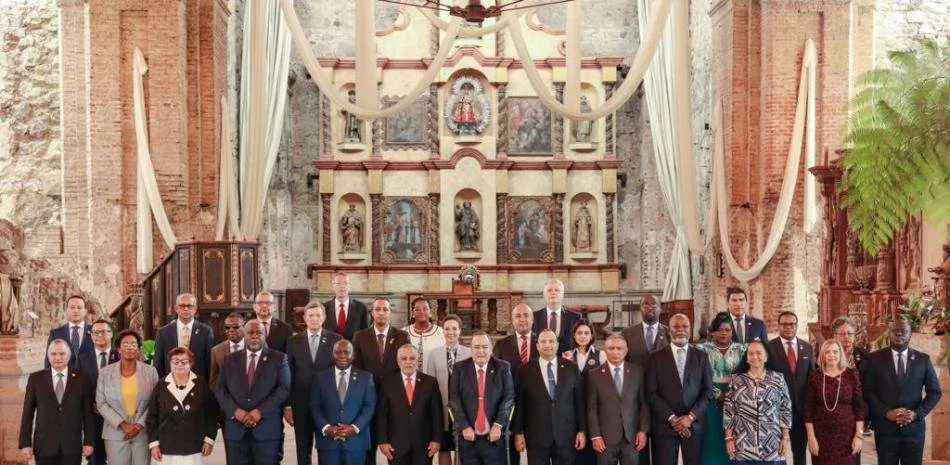
Guatemala City.- The Dominican Republic achieved the unanimous acclamation of all the countries that make up the Association of Caribbean States (ACS) to confront Sargasso as a regional emergency by virtue of the threat it represents for the development of the affected countries, and advocated for the unification of the region to address the great common challenges, this during the IX Summit of Heads of State and/or Government of this organization held in Guatemala.

At this summit, member states referred to this and other issues in the Antigua Declaration approved by the delegations present, in which Foreign Minister Roberto Alvarez participated on behalf of President Luis Abinader.

“The proliferation of sargassum represents a present threat to the livelihoods of tens of thousands of people in the Greater Caribbean; it sickens and kills the fish that communities depend on for food; it obstructs the passage of small and large boats; it dirties and overwhelms our beaches, the main attraction of Caribbean tourism, and with the beaches the direct tourism industry and the small industries that benefit from it indirectly. Its simple bad odor and noxious gases reduce the quality of life and potentially affect the health of those who are in its presence,” said the Foreign Minister during his speech at this conclave held in Guatemala.

A note from the Ministry of Foreign Affairs says that Foreign Minister Alvarez called the attention of those present to the rising sea levels that deepen vulnerabilities and affect the resilience capacity of the Greater Caribbean, in that it brings as a consequence the contamination of drinking water, the decrease of agricultural production capacities, the increase of floods that may be generated on the coast and the inundation of most of the islands due to the receding coasts.

“Added to this are the foreseeable demographic problems due to migration of the population affected by this phenomenon and the disappearance of Caribbean beaches, one of the main tourist attractions we share as a region,” he added.

While participating in this conclave, the diplomat also stressed that in view of the economic, political, social, and cultural threats that arise in the current context, multilateralism is of paramount importance, since outside international forums, the possibilities of effective advocacy are reduced.

“In order to face the global challenges of the 21st century, it is necessary to reform and strengthen the structures and policies that emanate from these institutions (…) The international system must evolve towards a more horizontal and agile order. This implies greater participation of developing countries in decision-making, a new global financial architecture that does not penalize middle-income countries, and greater flexibility in the way global problems are addressed”.
Roberto Álvarez, Minister of Foreign Affairs.
Roberto Alvarez
Minister of Foreign Affairs

During his participation in the IX Summit of Heads of State and/or Government of the ACS, Alvarez was accompanied by Vice Minister Hugo Francisco Rivera; the Director of Trade Integration, Carmen Elena Ibarra; and the Dominican Ambassador to Guatemala, Sara Paulino.

Where did the products made in Dominican Republic go and from where were others brought?

During the first quarter of 2023, the Dominican Republic exported US$46.5 million less than in the same period last year.

There were 3,005.7 million dollars against 3,052.2 million dollars in 2022. This is reflected in the moderation of the growth rate of the Dominican economy in the first three months of the year.

The data is compiled in the National Statistics Office (ONE) bulletin. Gold, for example, was one of the products that decreased. It exported 52 million dollars less in FOB value due to a drop in production.

And, while 3,005.7 million dollars in merchandise were exported in the first three months of the year to 119 countries, the country imported 7,154.0 million dollars.

This means an increase of 140.8 million dollars in the first quarter of 2022 when goods for 7,013.2 million dollars were brought into the country from 170 countries.

Tourism minister reports that 3.8 million visitors arrived in only 4 months

Santo Domingo.– Tourism minister David Collado revealed today that in April 862,705 visitors arrived in the Dominican Republic by air and sea, breaking another new record in tourist arrivals.

In his now usual monthly press conference, Collado announced that last April 681,567 tourists arrived in the country by air, representing 9% more than in 2022 and 17% more than in 2019.

He explained that of that figure, 587,455 were foreigners and 94,112 Dominicans. Of the 862,705 visitors, 681,567 traveled by air and another 181,138 by sea.

He also noted that in the January-April period 2,757,810 tourists were welcomed, 25% more than in the same period of 2022 and 17% more than in 2019.

The minister pointed out that the 2,757,810 tourists that arrived in the first four months of this year exceeds the 2,340,959 of 2022 and the 2,460,423 of 2019.

“These are palpable and irrefutable numbers, which we achieve month after month, surpassing our own records,” Collado said.

He also affirmed that the growth in the arrival of cruise passengers has been constant, which places the country as one of the leaders in that line of business in the region.

Collado reported that 181,138 cruise passengers arrived in April, surpassing the 90,427 who visited during the same month in 2022 and the 74,452 in 2019.

In the January-April period, the country received 987,665 cruise passengers, exceeding the 417,744 of last year and the 459,441 of 2019.

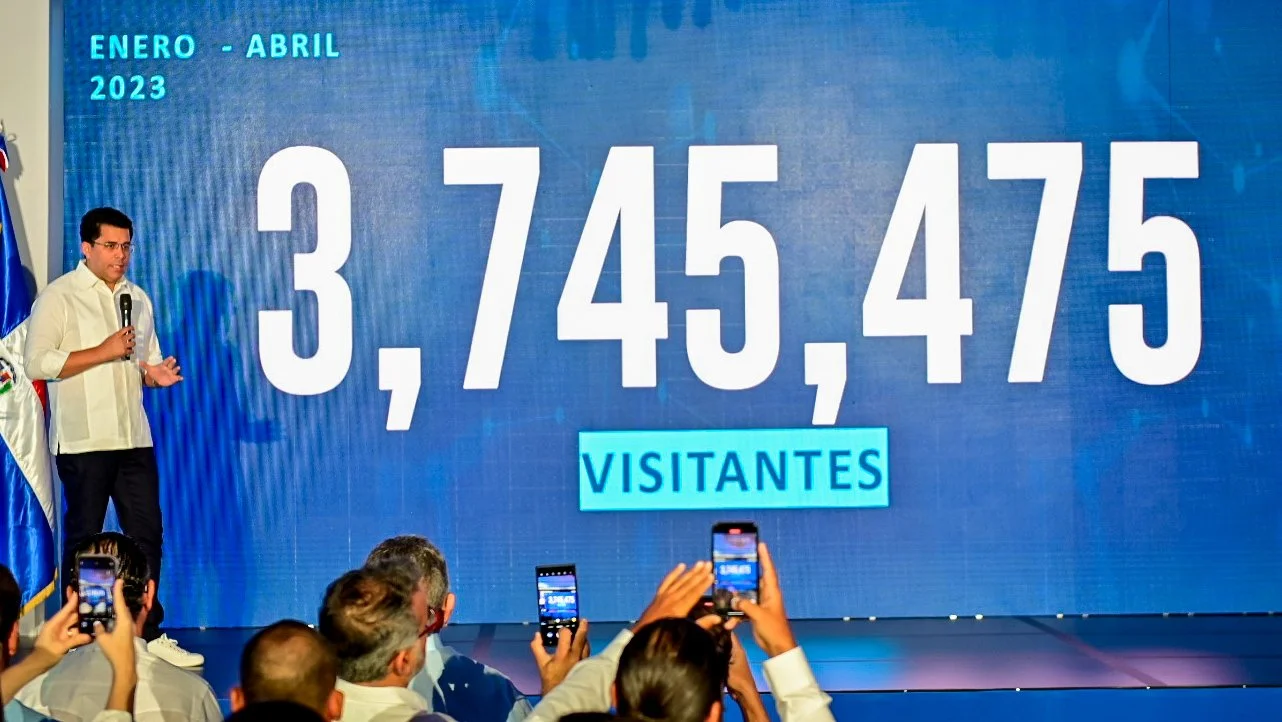
Collado said that in the previously mentioned period, the country received 3,745,475 visitors, 2,757,810 by air and 987,665 by sea.

The official estimates that by the end of this year the Dominican Republic will receive 7.9 million tourists, which he described as a historic figure.

The Dominican Republic attracted 4,010 million dollars in foreign direct investment in 2022

Santo Domingo.- Foreign Direct Investment (FDI) in the Dominican Republic reached a record high of $4.01 billion in 2022, representing a 25.5% increase compared to the previous year. The data, provided by the Center for Export and Investment of the Dominican Republic (ProDominicana) based on Central Bank (BCRD) figures, marks the largest inflow of FDI in the country’s history. The report highlights that 35% of the total FDI came from Central America.

The tourism sector attracted the highest amount of FDI last year, reaching $1 billion, another record-breaking figure. The energy sector followed closely with $753.4 million, while commerce and industry received a total of $599.5 million. The director of ProDominicana, Biviena Riveiro, attributes this significant growth to the country’s social, legal, political, and economic stability, which has caught the attention of foreign investors.

The record-breaking FDI inflow signals positive investor sentiment and confidence in the Dominican Republic’s business environment. The country’s policies and stability have positioned it as an attractive destination for foreign investment, contributing to economic growth and development.